Donald Trump And The Crucible Of Presidential Ethics - A Critical Review
Examine Donald Trump's presidency through the lens of ethics, leadership, and accountability in this critical analysis of modern presidential standards.
May 20, 202515K Shares429.3K Views
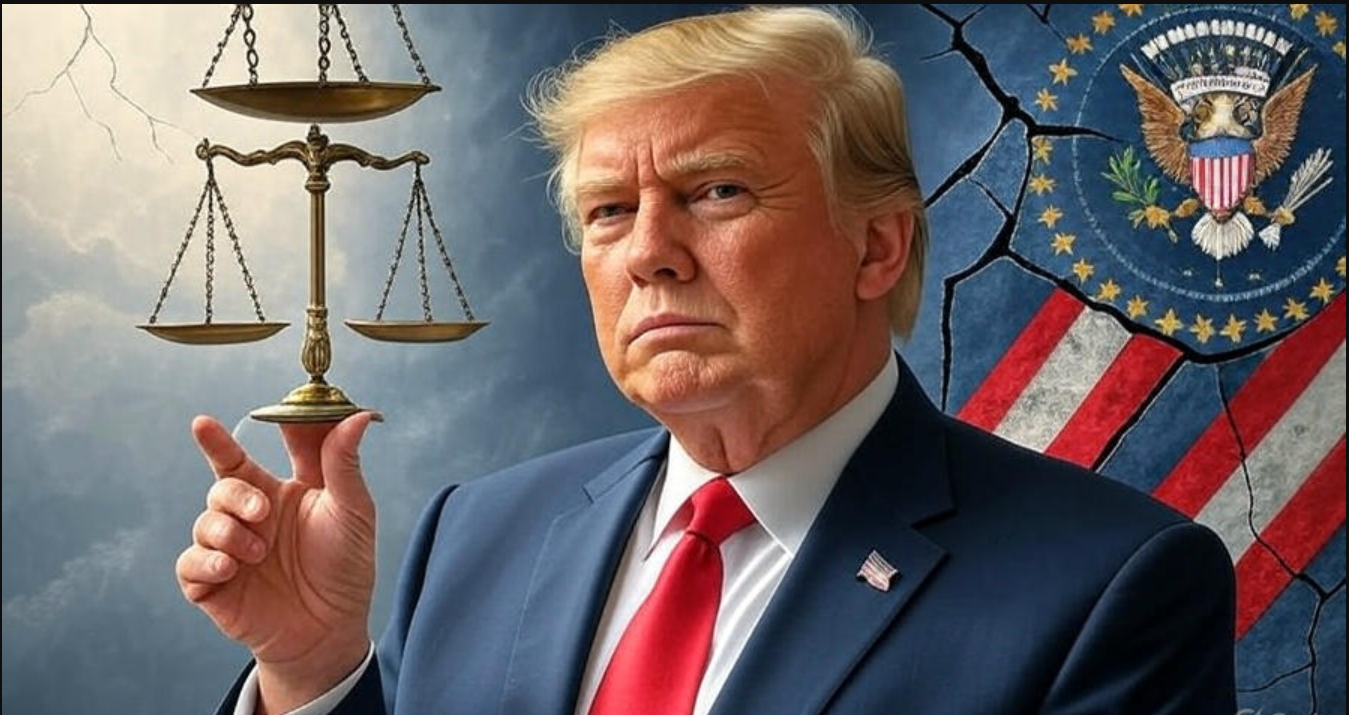
The American presidency is more than a political office; it's a moral symbol. The occupant is expected not only to govern but to embody the nation's highest ideals. When actions diverge sharply from these expectations, the resulting ethical questions resonate far beyond Washington, D.C., touching the core of public trust and the health of the democracy itself.
Donald Trump's business background, unconventional style, and disruptive approach to politics brought a unique set of ethical challenges to the forefront, forcing a continuous re-evaluation of established norms.
Shadows Of Doubt - Early Warnings And Questions Of Propriety
Even before entering the White House, aspects of Trump's business and personal history raised ethical flags, offering a prelude to the controversies that would define his presidency.
Trump University: Lessons In Controversy
Description: This real estate seminar program, bearing Trump's name, was plagued by lawsuits alleging deceptive marketing and failure to deliver on promises. It ultimately led to a $25 million settlement to resolve claims from former students.
Unethical Gravity Index (UGI): 2 (Erosion of Trust). While pre-presidency, the affair showcased a willingness to leverage his brand in ways that were found to be misleading, raising questions about candor and fair dealing.
The Trump Foundation: Charity Under A Cloud
Description: The New York Attorney General found a "pattern of persistent illegal conduct" by the Trump Foundation, including self-dealing and using charitable funds for Trump's personal and political benefit. The foundation was dissolved under court order, with Trump and his children facing restrictions and paying restitution.
Unethical Gravity Index (UGI):2 (Erosion of Trust).Misuse of a charitable entity for personal gain indicated a significant ethical lapse, blurring lines between philanthropy and self-interest.
Campaign Finance And "Hush Money" Dramas
Description: During the 2016 campaign, "hush money" payments were made to women alleging affairs with Trump. His former lawyer, Michael Cohen, implicated Trump in these payments, which Cohen admitted were campaign finance violations.
Unethical Gravity Index (UGI): 2 (Erosion of Trust). These actions suggested an attempt to improperly influence an election by concealing potentially damaging information, raising legal and ethical issues about campaign integrity.
A Break With Tradition: The Secrecy Of Tax Returns
Description: Trump defied decades of presidential candidate tradition by refusing to release his tax returns, citing ongoing audits. This lack of transparency fueled speculation about his wealth, tax strategies, and potential conflicts of interest.
Unethical Gravity Index (UGI):1 (Questionable Judgment) / 2 (Erosion of Trust). While not illegal, the refusal broke a significant norm of transparency expected of presidential candidates, sowing distrust and preventing public scrutiny of potential financial entanglements.
The Bully Pulpit And Beyond - Rhetoric, Trust, And Personal Conduct
Once in office, Trump's use of language, his relationship with the truth, and his personal conduct became central to the ethical debate.
The War On "Fake News" And Attacks On The Press
Description: Trump relentlessly attacked journalists and news organizations critical of his administration, labeling them "fake news" and "enemies of the people."
Unethical Gravity Index (UGI):3 (Institutional Strain). These attacks aimed to delegitimize a key institution for accountability in a democracy, potentially chilling reporting and eroding public trust in credible information sources.
A Barrage Of Falsehoods - Truth In The Balance
Description:Independent fact-checkers documented thousands of false or misleading statements made by Trump throughout his presidency on matters large and small.
Unethical Gravity Index (UGI):3 (Institutional Strain).The sheer volume and consistency of misinformation from the highest office undermined the basis of informed public discourse and trust in governmental statements.
Divisive Rhetoric - Stoking The Flames
Description:Trump's rhetoric was often criticized for being racially charged, xenophobic, and misogynistic, exacerbating societal divisions.
Unethical Gravity Index (UGI):2 (Erosion of Trust) / 3 (Institutional Strain). Such language from a president can normalize prejudice, deepen societal fractures, and undermine the ideal of a president for all Americans.
Allegations Of Personal Misconduct And Treatment Of Women
Description:Multiple allegations of sexual harassment and assault (which Trump denied) and his recorded comments about women (e.g., the "Access Hollywood" tape) raised profound questions about his character and respect for women.
Unethical Gravity Index (UGI):2 (Erosion of Trust). These issues spoke to personal integrity and the moral authority expected of a president, deeply concerning a large segment of the population.
Straining The Republic - Conflicts, Cronyism, And The Use Of Power
The intersection of Trump's business interests with his presidential duties, along with his approach to appointments and the exercise of executive power, created persistent ethical friction.
The Unprecedented Entanglement - Business And The Presidency (Emoluments)
Description:Trump retained ownership of his global business empire, leading to numerous lawsuits and accusations that he violated the Constitution's Emoluments Clauses by profiting from foreign governments and domestic officials patronizing his properties.
Unethical Gravity Index (UGI):3 (Institutional Strain).This created an appearance, and arguably the reality, of the presidency being used for personal enrichment, inviting questions about whether policy decisions were influenced by his financial interests.
Family, Friends, And Favors - Nepotism And Patronage
Description:Trump appointed close family members, like Ivanka Trump and Jared Kushner, to significant, unelected White House roles. He also favored loyalists and donors for key positions.
Unethical Gravity Index (UGI): 2 (Erosion of Trust).This practice raised concerns about qualifications, cronyism, and the potential for personal loyalties to supersede the public interest in appointments.
The Power Of The Pardon: Justice Or Favoritism?
Description: Trump's use of pardons and commutations often benefited political allies, personal connections, or those who bypassed traditional Justice Department review processes. Examples include Roger Stone, Paul Manafort, and Michael Flynn.
Unethical Gravity Index (UGI):3 (Institutional Strain).This pattern suggested the pardon power was wielded to reward loyalty or undermine accountability for allies, rather than primarily serving justice or mercy.
Handling Secrets - Classified Information Controversies
Description:Multiple instances, both during and after his presidency (notably the Mar-a-Lago documents case), highlighted concerns about Trump's cavalier handling of classified and sensitive national security information.
Unethical Gravity Index (UGI): 3 (Institutional Strain).Mishandling classified materials poses direct risks to national security and demonstrates a disregard for established protocols vital for protecting sensitive intelligence.
Pressure On The Scales Of Justice: Interference With The DOJ (Early/Mid-Term)
Description:Reports and testimonies indicated Trump frequently sought to influence the Department of Justice on matters related to his political interests or investigations involving him or his associates, including public criticism of FBI/DOJ leadership.
Unethical Gravity Index (UGI):3 (Institutional Strain).Such actions threatened the crucial independence of the Justice Department, suggesting a desire to use it as a tool for personal or political protection rather than impartial law enforcement.
The Stress Test - Obstruction, Impeachment, And Challenges To The Rule Of Law
More direct confrontations with legal and constitutional processes marked a significant escalation in the ethical challenges posed during the Trump presidency.
The Mueller Investigation - Allegations Of Obstruction Of Justice
Description:The Special Counsel's report detailed multiple instances where Trump attempted to impede or end the investigation into Russian interference in the 2016 election. While Mueller didn't conclude a crime was committed, he explicitly did not exonerate Trump on obstruction.
Unethical Gravity Index (UGI):3 (Institutional Strain) / 4 (Foundational Threat). Attempts to obstruct a legitimate federal investigation, especially one concerning foreign interference in an election, strike at the heart of the rule of law and accountability.
Impeachment I - Ukraine And Abuse Of Power
Description:Trump was impeached by the House of Representatives for abuse of power and obstruction of Congress related to his pressuring of Ukraine to investigate a political rival (Joe Biden) while withholding congressionally approved military aid.
Unethical Gravity Index (UGI): 4 (Foundational Threat). Using the powers of the presidency to solicit foreign interference in an American election for personal political gain was seen as a profound betrayal of his oath and a threat to national security and electoral integrity.
The Unthinkable Breach - Assaulting Democratic Foundations
The period surrounding the 2020 election and its aftermath saw actions that many observers believe posed the most direct and severe threat to American democratic institutions.
The 2020 Election - Undermining The Vote
Description: Trump relentlessly promoted false claims of widespread voter fraud to discredit the 2020 election results. This involved numerous failed lawsuits, pressure on state election officials (e.g., Georgia's Secretary of State), and attempts to have Vice President Pence unilaterally reject electoral votes.
Unethical Gravity Index (UGI): 4 (Foundational Threat).This sustained campaign to overturn a legitimate election and sow distrust in the democratic process itself was unprecedented for a sitting president and attacked the very basis of American self-government.
January 6th - The Capitol Under Siege
Description:Following a rally where Trump urged supporters to "fight like hell" and march to the Capitol, a mob violently attacked the building to disrupt the certification of electoral votes. Trump's delayed and ambivalent response drew severe condemnation.
Unethical Gravity Index (UGI):4 (Foundational Threat).The events of January 6th, and the President's role in inciting and failing to promptly quell the violence, represented a direct physical assault on the seat of American democracy and the peaceful transfer of power.
Impeachment II - Incitement Of Insurrection
Description:Trump was impeached a second time by the House for "incitement of insurrection" related to his conduct leading up to and during the January 6th attack. A majority of Senators, including some Republicans, voted to convict, though it fell short of the two-thirds required.
Unethical Gravity Index (UGI): 4 (Foundational Threat).The charge itself, and the bipartisan support for conviction, underscored the perceived severity of the President's actions in provoking an attack on a co-equal branch of government.
Epilogue: Echoes In The Chamber - The Lasting Impact On Presidential Ethics
The ethical controversies of the Trump presidency are not mere historical footnotes; they have left an indelible mark on the American political landscape. They forced a national reckoning with the guardrails of democracy, the importance of unwritten norms, and the character expected of its leaders.
The debates over his conduct have highlighted deep divisions but also spurred conversations about strengthening ethics laws, ensuring accountability, and reaffirming the core principles that underpin the republic. The "unethical gravity" of these events continues to be weighed, with their ultimate impact on the future of presidential ethics and democratic governance still unfolding.
Donald Trump's business background, unconventional style, and disruptive approach to politics brought a unique set of ethical challenges to the forefront, forcing a continuous re-evaluation of established norms.
Shadows Of Doubt - Early Warnings And Questions Of Propriety
Even before entering the White House, aspects of Trump's business and personal history raised ethical flags, offering a prelude to the controversies that would define his presidency.
Trump University: Lessons In Controversy
Description: This real estate seminar program, bearing Trump's name, was plagued by lawsuits alleging deceptive marketing and failure to deliver on promises. It ultimately led to a $25 million settlement to resolve claims from former students.
Unethical Gravity Index (UGI): 2 (Erosion of Trust). While pre-presidency, the affair showcased a willingness to leverage his brand in ways that were found to be misleading, raising questions about candor and fair dealing.
The Trump Foundation: Charity Under A Cloud
Description: The New York Attorney General found a "pattern of persistent illegal conduct" by the Trump Foundation, including self-dealing and using charitable funds for Trump's personal and political benefit. The foundation was dissolved under court order, with Trump and his children facing restrictions and paying restitution.
Unethical Gravity Index (UGI):2 (Erosion of Trust). Misuse of a charitable entity for personal gain indicated a significant ethical lapse, blurring lines between philanthropy and self-interest.
Campaign Finance And "Hush Money" Dramas
Description: During the 2016 campaign, "hush money" payments were made to women alleging affairs with Trump. His former lawyer, Michael Cohen, implicated Trump in these payments, which Cohen admitted were campaign finance violations.
Unethical Gravity Index (UGI):2 (Erosion of Trust). These actions suggested an attempt to improperly influence an election by concealing potentially damaging information, raising legal and ethical issues about campaign integrity.
A Break With Tradition: The Secrecy Of Tax Returns
Description: Trump defied decades of presidential candidate tradition by refusing to release his tax returns, citing ongoing audits. This lack of transparency fueled speculation about his wealth, tax strategies, and potential conflicts of interest.
Unethical Gravity Index (UGI):1 (Questionable Judgment) / 2 (Erosion of Trust). While not illegal, the refusal broke a significant norm of transparency expected of presidential candidates, sowing distrust and preventing public scrutiny of potential financial entanglements.
The Bully Pulpit And Beyond - Rhetoric, Trust, And Personal Conduct
Once in office, Trump's use of language, his relationship with the truth, and his personal conduct became central to the ethical debate.
The War On "Fake News" And Attacks On The Press
Description: Trump relentlessly attacked journalists and news organizations critical of his administration, labeling them "fake news" and "enemies of the people."
Unethical Gravity Index (UGI):3 (Institutional Strain). These attacks aimed to delegitimize a key institution for accountability in a democracy, potentially chilling reporting and eroding public trust in credible information sources.
A Barrage Of Falsehoods - Truth In The Balance
Description:Independent fact-checkers documented thousands of false or misleading statements made by Trump throughout his presidency on matters large and small.
Unethical Gravity Index (UGI):3 (Institutional Strain). The sheer volume and consistency of misinformation from the highest office undermined the basis of informed public discourse and trust in governmental statements.
Divisive Rhetoric - Stoking The Flames
Description:Trump's rhetoric was often criticized for being racially charged, xenophobic, and misogynistic, exacerbating societal divisions.
Unethical Gravity Index (UGI):2 (Erosion of Trust) / 3 (Institutional Strain). Such language from a president can normalize prejudice, deepen societal fractures, and undermine the ideal of a president for all Americans.
Allegations Of Personal Misconduct And Treatment Of Women
Description:Multiple allegations of sexual harassment and assault (which Trump denied) and his recorded comments about women (e.g., the "Access Hollywood" tape) raised profound questions about his character and respect for women.
Unethical Gravity Index (UGI):2 (Erosion of Trust). These issues spoke to personal integrity and the moral authority expected of a president, deeply concerning a large segment of the population.
Straining The Republic - Conflicts, Cronyism, And The Use Of Power
The intersection of Trump's business interests with his presidential duties, along with his approach to appointments and the exercise of executive power, created persistent ethical friction.
The Unprecedented Entanglement - Business And The Presidency (Emoluments)
Description:Trump retained ownership of his global business empire, leading to numerous lawsuits and accusations that he violated the Constitution's Emoluments Clauses by profiting from foreign governments and domestic officials patronizing his properties.
Unethical Gravity Index (UGI):3 (Institutional Strain). This created an appearance, and arguably the reality, of the presidency being used for personal enrichment, inviting questions about whether policy decisions were influenced by his financial interests.
Family, Friends, And Favors - Nepotism And Patronage
Description:Trump appointed close family members, like Ivanka Trump and Jared Kushner, to significant, unelected White House roles. He also favored loyalists and donors for key positions.
Unethical Gravity Index (UGI):2 (Erosion of Trust). This practice raised concerns about qualifications, cronyism, and the potential for personal loyalties to supersede the public interest in appointments.
The Power Of The Pardon: Justice Or Favoritism?
Description: Trump's use of pardons and commutations often benefited political allies, personal connections, or those who bypassed traditional Justice Department review processes. Examples include Roger Stone, Paul Manafort, and Michael Flynn.
Unethical Gravity Index (UGI):3 (Institutional Strain). This pattern suggested the pardon power was wielded to reward loyalty or undermine accountability for allies, rather than primarily serving justice or mercy.
Handling Secrets - Classified Information Controversies
Description:Multiple instances, both during and after his presidency (notably the Mar-a-Lago documents case), highlighted concerns about Trump's cavalier handling of classified and sensitive national security information.
Unethical Gravity Index (UGI): 3 (Institutional Strain). Mishandling classified materials poses direct risks to national security and demonstrates a disregard for established protocols vital for protecting sensitive intelligence.
Pressure On The Scales Of Justice: Interference With The DOJ (Early/Mid-Term)
Description:Reports and testimonies indicated Trump frequently sought to influence the Department of Justice on matters related to his political interests or investigations involving him or his associates, including public criticism of FBI/DOJ leadership.
Unethical Gravity Index (UGI):3 (Institutional Strain). Such actions threatened the crucial independence of the Justice Department, suggesting a desire to use it as a tool for personal or political protection rather than impartial law enforcement.
The Stress Test - Obstruction, Impeachment, And Challenges To The Rule Of Law
More direct confrontations with legal and constitutional processes marked a significant escalation in the ethical challenges posed during the Trump presidency.
The Mueller Investigation - Allegations Of Obstruction Of Justice
Description:The Special Counsel's report detailed multiple instances where Trump attempted to impede or end the investigation into Russian interference in the 2016 election. While Mueller didn't conclude a crime was committed, he explicitly did not exonerate Trump on obstruction.
Unethical Gravity Index (UGI):3 (Institutional Strain) / 4 (Foundational Threat). Attempts to obstruct a legitimate federal investigation, especially one concerning foreign interference in an election, strike at the heart of the rule of law and accountability.
Impeachment I - Ukraine And Abuse Of Power
Description:Trump was impeached by the House of Representatives for abuse of power and obstruction of Congress related to his pressuring of Ukraine to investigate a political rival (Joe Biden) while withholding congressionally approved military aid.
Unethical Gravity Index (UGI):4 (Foundational Threat). Using the powers of the presidency to solicit foreign interference in an American election for personal political gain was seen as a profound betrayal of his oath and a threat to national security and electoral integrity.
The Unthinkable Breach - Assaulting Democratic Foundations
The period surrounding the 2020 election and its aftermath saw actions that many observers believe posed the most direct and severe threat to American democratic institutions.
The 2020 Election - Undermining The Vote
Description: Trump relentlessly promoted false claims of widespread voter fraud to discredit the 2020 election results. This involved numerous failed lawsuits, pressure on state election officials (e.g., Georgia's Secretary of State), and attempts to have Vice President Pence unilaterally reject electoral votes.
Unethical Gravity Index (UGI): 4 (Foundational Threat). This sustained campaign to overturn a legitimate election and sow distrust in the democratic process itself was unprecedented for a sitting president and attacked the very basis of American self-government.
January 6th - The Capitol Under Siege
Description:Following a rally where Trump urged supporters to "fight like hell" and march to the Capitol, a mob violently attacked the building to disrupt the certification of electoral votes. Trump's delayed and ambivalent response drew severe condemnation.
Unethical Gravity Index (UGI):4 (Foundational Threat). The events of January 6th, and the President's role in inciting and failing to promptly quell the violence, represented a direct physical assault on the seat of American democracy and the peaceful transfer of power.
Impeachment II - Incitement Of Insurrection
Description:Trump was impeached a second time by the House for "incitement of insurrection" related to his conduct leading up to and during the January 6th attack. A majority of Senators, including some Republicans, voted to convict, though it fell short of the two-thirds required.
Unethical Gravity Index (UGI):4 (Foundational Threat). The charge itself, and the bipartisan support for conviction, underscored the perceived severity of the President's actions in provoking an attack on a co-equal branch of government.
The Lasting Impact On Presidential Ethics
The ethical controversies of the Trump presidency are not mere historical footnotes; they have left an indelible mark on the American political landscape. They forced a national reckoning with the guardrails of democracy, the importance of unwritten norms, and the character expected of its leaders.
The debates over his conduct have highlighted deep divisions but also spurred conversations about strengthening ethics laws, ensuring accountability, and reaffirming the core principles that underpin the republic. The "unethical gravity" of these events continues to be weighed, with their ultimate impact on the future of presidential ethics and democratic governance still unfolding.
Jump to
Shadows Of Doubt - Early Warnings And Questions Of Propriety
The Bully Pulpit And Beyond - Rhetoric, Trust, And Personal Conduct
Straining The Republic - Conflicts, Cronyism, And The Use Of Power
The Stress Test - Obstruction, Impeachment, And Challenges To The Rule Of Law
The Unthinkable Breach - Assaulting Democratic Foundations
Epilogue: Echoes In The Chamber - The Lasting Impact On Presidential Ethics
Shadows Of Doubt - Early Warnings And Questions Of Propriety
The Bully Pulpit And Beyond - Rhetoric, Trust, And Personal Conduct
Straining The Republic - Conflicts, Cronyism, And The Use Of Power
The Stress Test - Obstruction, Impeachment, And Challenges To The Rule Of Law
The Unthinkable Breach - Assaulting Democratic Foundations
The Lasting Impact On Presidential Ethics
Latest Articles
Popular Articles