How Much House Can I Afford With A $130,000 Salary Per Year?
Buying a home with a $130,000 annual salary opens up solid opportunities, but knowing how much house you can realistically afford depends on more than just income. From monthly expenses to credit scores and loan options, several factors shape your true homebuying budget. Here's what you need to consider to make a smart, informed decision.
Nov 26, 202310.7K Shares244.2K Views

The aspiration to own a home, a cornerstone of stability and personal fulfillment, often comes into sharper focus with a comfortable annual income like $130,000. At this income level, the landscape of potential homeownership opportunities expands significantly, offering a wider array of choices and the potential for building lasting wealth.
Navigating this exciting terrain requires a thoughtful approach, balancing your aspirations with sound financial planning to ensure your dream home remains a source of joy, not financial strain. Let's look at the factors that come into play when determining just how much house a $130,000 salary can truly afford, moving beyond simple estimates to a more nuanced understanding of your purchasing power.
Laying The Financial Foundation - Budgeting On A $130,000 Salary

Translating a $130,000 annual income into a practical monthly housing budget necessitates a clear understanding of your net earnings. While the gross annual figure is a starting point, your actual take-home pay will depend on various deductions, including federal and state income taxes, social security contributions, health insurance premiums, and retirement savings.
For instance, after accounting for these deductions, your net monthly income could realistically be around $8,500. This figure, representing your available funds after essential obligations, becomes the crucial benchmark for assessing housing affordability and crafting a sustainable monthly budget that accommodates both your homeownership goals and other financial priorities.
Monthly And Annual Budgeting On A $130,000 Salary
Converting a yearly salary of $130,000 into a monthly budget requires taking into account various deductions to understand the true financial situation. Start with the total income and subtract federal and state taxes while also considering any tax credits. Include contributions to social security, health insurance premiums, and retirement savings.
For example, if 15% goes to taxes, 6.2% to social security, and $500 to health insurance, a $130,000 salary could result in approximately $8,500 per month in net income. Understanding this net income is crucial for determining housing affordability and creating a budget that covers essential expenses while maintaining financial stability.
Optimizing Your Debt-to-Income Ratio
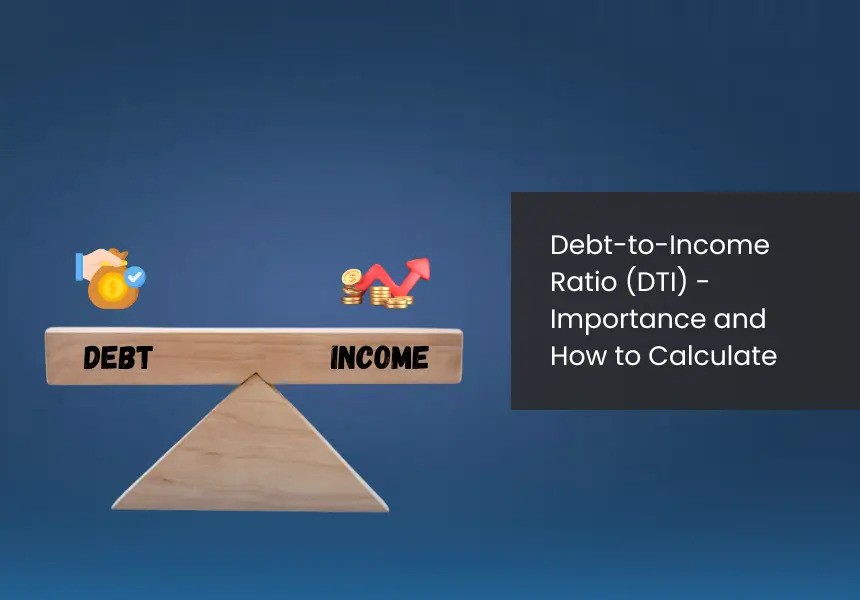
A key metric that lenders use to gauge your ability to manage mortgage payments responsibly is the debt-to-income ratio (DTI). This percentage, calculated by dividing your total monthly debt obligations (including the anticipated mortgage payment) by your gross monthly income, offers a clear picture of your financial commitments relative to your earnings.
A commonly cited guideline suggests aiming for a total DTI of no more than 43%. For a $130,000 annual salary, adhering to this principle means ensuring that your total monthly debt, encompassing everything from car loans and credit card bills to student loans and your projected mortgage payment, remains comfortably below approximately $4,641.
Maintaining a healthy DTI not only increases your chances of mortgage approval but also positions you for more favorable interest rates, ultimately making homeownership more affordable in the long run.
The Role Of Credit Score In Securing Favorable Mortgage Rates
In the realm of real estate finance, your credit score acts as a powerful indicator of your financial responsibility and trustworthiness. A strong credit history, characterized by consistent on-time payments and responsible debt management, signals to lenders that you are a reliable borrower.
This, in turn, unlocks access to more competitive mortgage interest rates. For high-income earners, a good credit score can amplify their purchasing power, potentially allowing them to qualify for larger loans with more attractive terms.
Conversely, even with a substantial income, a less-than-stellar credit score can lead to higher interest rates, increasing the overall cost of homeownership. Cultivating and maintaining a good credit score is therefore a fundamental step in maximizing your affordability and securing the best possible mortgage terms.
See Also: Real Estate Investment For Foreigners
Understanding Mortgage Types And What Fits Best With Your Salary

It doesn't matter if you earn $130,000 because you need lower monthly expenses to have the best mortgage plan. There are several mortgages, and everyone selects the best loan package for themselves according to their needs.
Fixed-rate
It means that you have to pay a huge down payment before buying a house, then you will be eligible for this, and also, you will get a lower interest rate for 15 to 30 years. It doesn't matter that property rates rise after some time because your interest rate will always be the same.
Adjustable-rate
If your house expenses are very high, then you can go for this plan, and you will have to pay less down payment but higher interest after buying the house. His interest rate will change every 6 months, and if the property rates increase, then the interest rate will also increase.
FHA Loans
If a person's home expenses are too high and because of which their credit scores are too low, they can turn to FHA loans. According to this rule, you will not have to pay so much down payment before buying a house, but after buying a house you will have to pay higher interest. But above all, you will have to pay extra for his insurance.
Jumbo Loans
The jumbo loan has no limits and is an extra loan package or breaks the limits of the Federal Housing and Finance Agency. It is mostly used for vacation homes, investment properties, and primary houses. Several lenders offer mortgage loansup to $4 Million to $5 Million.
You Might Also Like: The Difference Between LTV And CLTV?
Strategies For Saving A Down Payment On A $130,000 Salary
The down payment, the initial investment you make when purchasing a home, plays a significant role in determining your mortgage terms and overall affordability. For individuals with a $130,000 salary, the capacity to save a substantial down payment is often greater.
Aiming for a down payment closer to 20% of the home's purchase price can unlock several advantages, including potentially lower interest rates, the avoidance of Private Mortgage Insurance (PMI), and a smaller overall loan amount, leading to more manageable monthly payments.
Implementing a strategic savings plan, which involves diligently tracking expenses and allocating a portion of your income specifically for a down payment, can significantly enhance your purchasing power and long-term financial well-being as a homeowner.
Additional Homeownership Costs To Consider
While the mortgage payment is a primary consideration, the true cost of homeownership extends to a range of additional expenses that must be factored into your budget.
These include property taxes, which vary based on location and property value, homeowners insurance, essential for protecting your investment, and ongoing maintenance costs, encompassing everything from routine upkeep to unexpected repairs.
Furthermore, if the property is part of a Homeowners Association (HOA), monthly fees can add to your expenses. Experts recommend allocating approximately 20-30% of your gross monthly income to cover these additional costs, ensuring a realistic and sustainable approach to managing the financial responsibilities of homeownership on a $130,000 salary.
Failing to adequately budget for these recurring expenses can lead to unforeseen financial strain.
Balancing Homeownership With Other Financial Goals

While the allure of a dream home is strong, it's crucial to ensure that this significant investment aligns harmoniously with your other long-term financial goals. Owning a home should complement, not compromise, your ability to build a robust retirement savings, maintain a substantial emergency fund, and pursue other investment opportunities.
Before committing to a mortgage, carefully assess your overall financial landscape and ensure that the projected housing costs allow you to continue making progress towards your other financial objectives. Striking this balance is key to achieving both homeownership and long-term financial security.
Navigating The Market - Understanding Housing Trends
For those with a $130,000 salary venturing into the housing market, understanding prevailing housing market trendsis essential for making informed decisions. Factors such as interest rate fluctuations, inventory levels and local economic conditions can significantly impact home prices and the overall affordability landscape.
Being aware of these trends can help you identify opportune times to buy and negotiate effectively, ensuring you make a sound investment that aligns with your financial capacity and long-term goals.
Building Your Future - Home Equity And Investment Potential
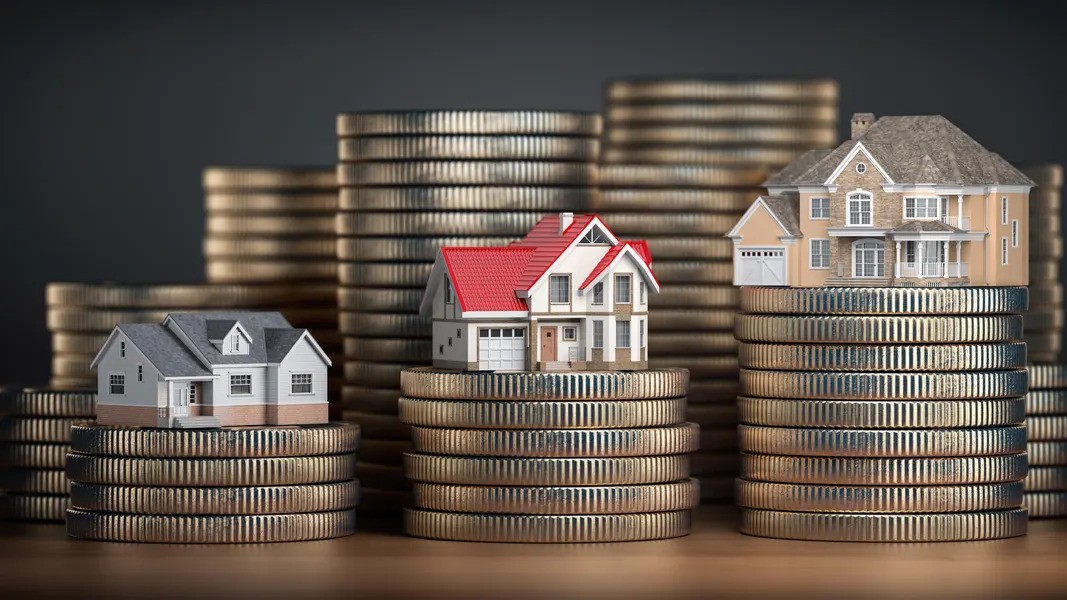
Beyond the immediate comforts of homeownership, purchasing a property represents a significant long-term financial opportunity, particularly for those in higher income brackets.
The gradual accumulation of home equity, the difference between your home's market value and your outstanding mortgage balance, builds a valuable asset over time. As you make mortgage payments, your equity grows, increasing your overall wealth.
Furthermore, real estate has historically demonstrated the potential for appreciation, meaning the value of your property could increase over time, further enhancing its investment potential. For those with a $130,000 salary, strategic homeownership can be a powerful tool for long-term wealth building.
FAQs About House Ownership
Why Is A Down Payment Important When Buying A Home With A $130,000 Salary?
A larger down payment reduces your loan principal, leading to lower monthly payments and potentially securing better interest rates. It also helps you avoid private mortgage insurance (PMI) and demonstrates financial stability to lenders.
How Much Home Loan Should I Take If My Monthly In-hand Salary Is 130K?
With a $130,000 monthly take-home salary, you can typically afford a home loan of around ₹40–₹45 lakhs, assuming your EMI stays within 40–50% of your income. That means keeping your monthly EMI under ₹65,000. Your final loan eligibility may vary based on existing debts and the loan tenure.
Should I Choose A Fixed Or Adjustable-Rate Mortgage (ARM)?
A fixed-rate mortgage is often preferred for its stability and consistent monthly payments. It shields you from changing interest rates, making it a reliable option for long-term budgeting and planning.
Final Thoughts
Buying a home with a $130,000 salary presents a wealth of opportunities, allowing you to pursue properties that align with your lifestyle and financial aspirations. However, the key to a successful and sustainable homeownership journey lies in meticulous planning, a clear understanding of your financial landscape, and a balanced approach to budgeting.
By carefully considering factors such as your debt-to-income ratio, credit score, down payment, mortgage options, and the full spectrum of homeownership costs, you can navigate the real estate market with confidence, secure a home that fits your financial comfort zone, and build a solid foundation for long-term financial well-being.
Remember, the goal is not just to own a house, but to own it responsibly, ensuring it remains a source of pride and security for years to come.
Jump to
Laying The Financial Foundation - Budgeting On A $130,000 Salary
Monthly And Annual Budgeting On A $130,000 Salary
Optimizing Your Debt-to-Income Ratio
The Role Of Credit Score In Securing Favorable Mortgage Rates
Understanding Mortgage Types And What Fits Best With Your Salary
Strategies For Saving A Down Payment On A $130,000 Salary
Additional Homeownership Costs To Consider
Balancing Homeownership With Other Financial Goals
Navigating The Market - Understanding Housing Trends
Building Your Future - Home Equity And Investment Potential
FAQs About House Ownership
Final Thoughts
Latest Articles
Popular Articles