How Much House Can I Afford With A $140,000 Salary Per Year?
If you have a good monthly income, then you should select a good house for yourself that is in the best location. Remember, when you are selecting a house, don't think that only you have to live in it, always select the house which provides you benefit in the future and your money will be invested in a good place.
Nov 26, 202347.5K Shares1.2M Views

Housing affordability depends on your annual and monthly salary because having a good salary has several advantages. High-income buyers always prefer the best house according to their style, and they also consider the comfort of the house.
The financial condition is the backbone because if your expenses are lower, you can easily make the best plan for buying a house. However, several individuals with high incomes can’t afford a good house because they have higher household expenses. So it’s clear that financial health can decide which type of house you can afford.
The 28/36 Rule
When evaluating housing affordability with a $140,000 annual income, financial guidelines like the 28/36 rule can offer valuable insights. The 28% rule suggests that your housing costs, including principal, interest, property taxes, and homeowners insurance, should ideally not exceed 28% of your gross monthly income.
For example, if your gross monthly incomeis approximately $11,667, the 28% rule indicates that your housing expenses should be around $3,267 or less. The 36% rule adds another layer by considering your total debt.
It states that your total monthly debt obligations, including housing costs, should not exceed 36% of your gross monthly income. So, with a $11,667 gross monthly income, the 36% rule suggests that your total debt should be no more than approximately $5,017 per month.
How Much House Can I Afford With 140k Salary
Earning $140,000 annually opens doors to a range of home-buying possibilities, but careful planning is still essential. To make the most of this financial advantage, create a budget and a comprehensive financial plan before embarking on your home search. This approach helps you align your housing aspirations with your overall financial well-being.
With a $140,000 income, reducing monthly expenses and improving credit scores can significantly enhance your ability to secure a desirable home. Generally, a $140,000 salary could potentially afford a home in the $560,000 to $700,000 range, as lenders often use a 4-5 times income rule for mortgage approval.
This translates to roughly $560,000 ($140,000 x 4) to $700,000 ($140,000 x 5) in borrowing power, contingent on your overall financial picture and the specific lender's criteria.
If you prepare a good plan to buy a house, it will benefit you that you will get a good house and your financial help will not be affected. If you earn $140,000 then you should reduce your monthly expenses and improve your credit scores so that you can buy a good house according to your lifestyle.
Understanding Your Take-Home Pay From A $140,000 Salary

Determining your actual spending power requires calculating your net monthly income. This involves subtracting federal and state taxes, Social Security and Medicare contributions (6.2% and 1.45%, respectively), retirement fund contributions (e.g., 401(k)), health insurance costs, and other payroll deductions from your gross annual salary.
While a $140,000 annual salary might translate to approximately $9,000 in monthly take-home pay, this is an estimate, and the precise figure varies based on individual circumstances.
Evaluating Debt-to-Income Ratio At Higher Income Levels
Lenders heavily weigh your debt-to-income ratio (DTI) when assessing your mortgage eligibility. DTI, which measures your total monthly debt payments as a percentage of your gross monthly income, is a key indicator of your financial health. Lenders typically prefer a DTI of no more than 43%.
Therefore, calculating your total housing expenses and ensuring they align with this threshold is crucial before buying a home. A favorable DTI, where your monthly expenses are comfortably below 43% of your gross monthly income, positions you strongly for mortgage approval.
For example, if your gross monthly income is $11,667, your total monthly debt obligations, including the prospective mortgage, should ideally not exceed $5,017. Lenders also consider front-end (mortgage payment as a percentage of income) and back-end (all debt obligations as a percentage of income) debt ratios, further influencing borrowing capacity.
Mortgage Options And Interest Rates For High Earners
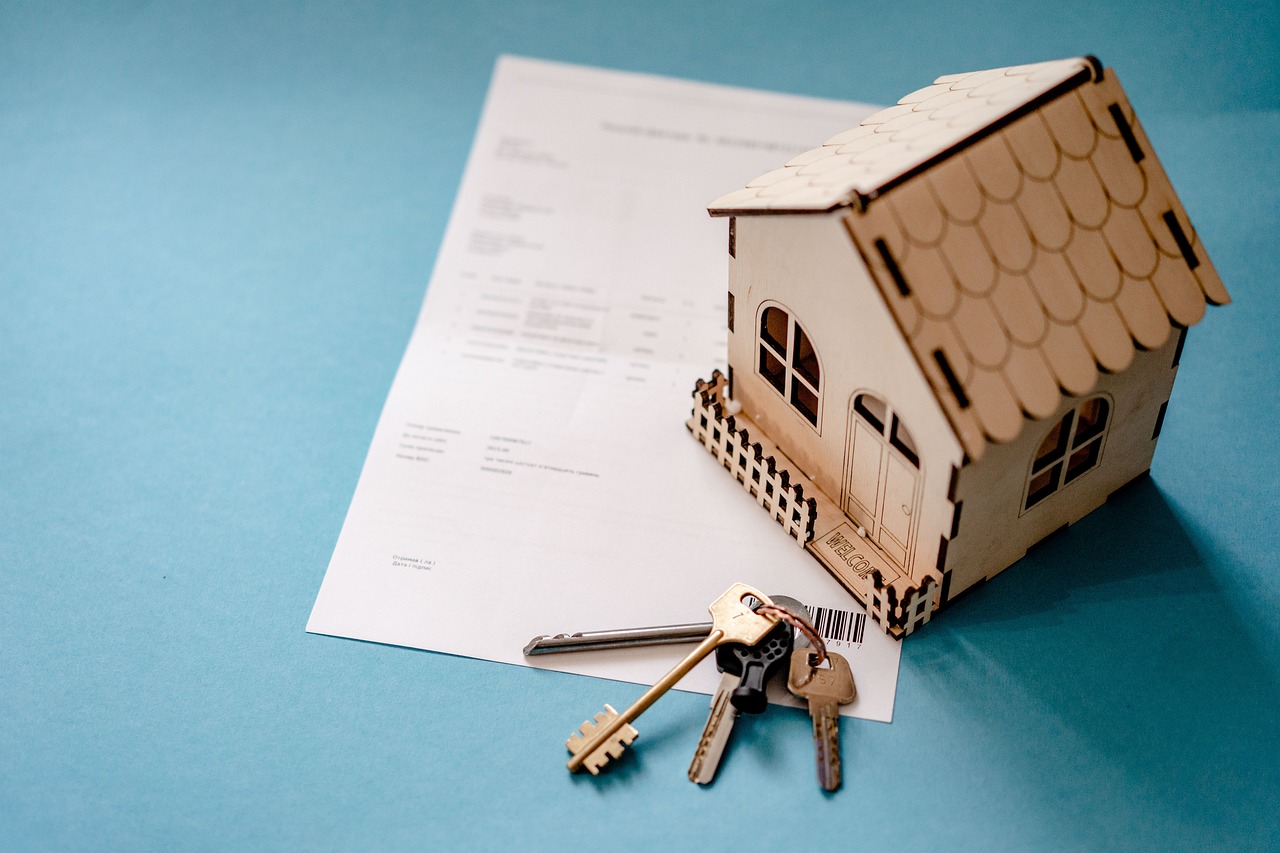
There are different options available for high-income buyers, like jumbo loans, fixed loans, and adjustable loans.
Jumbo mortgage:
These loans exceed conventional loan limits set by the Federal Housing Finance Agency and are designed for financing luxury properties, vacation homes, or high-value primary residences. Lenders may offer jumbo mortgageand loans up to substantial amounts, such as $3 million to $5 million, for qualified borrowers.
Fixed mortgage:
These mortgages offer a consistent interest rate and predictable monthly payments throughout the loan term, typically 15 to 30 years. While they may require a higher down payment, they provide stability and protection against interest rate fluctuations.
Adjustable mortgage(ARMs):
ARMs typically feature a lower initial interest rate but have interest rates that adjust periodically (e.g., every 6 months), leading to potentially higher payments over time. They may require a lower down payment.
Calculating Your Home Affordability
Determining how much you can comfortably afford for a home involves a careful look at your finances. While online tools can offer helpful estimates, it's essential to understand the key components that influence your affordability.
Essentially, to get a solid estimate of your home-buying budget, you'll need to consider these main financial aspects:
- Gross Annual Income:This is your total earnings before any deductions, encompassing your salary, wages, tips, commissions, and other income sources. You can typically find this figure on your W-2 form. If you plan to purchase the home with another person, like a spouse, it's important to combine both of your incomes to get a clear picture of your household's total earnings.
- Recurring Monthly Debts:This category includes all your regular debt obligations, such as car loans, student loans, personal loans, and the minimum payments required for your credit cards. Be sure to include any child support payments or other debts that appear on your credit report. It's important to differentiate these debts from your everyday living expenses, which typically include costs like rent (if applicable), food, and utility bills.
- Available Funds for Down Payment and Closing Costs:This is the total sum of money you have readily accessible to use for the initial expenses of buying a home. These funds might be held in various forms, such as savings accounts, checking accounts, easily accessible personal loans, lines of credit, or investment accounts.
By carefully assessing these three areas, you'll gain a much clearer understanding of your financial capacity for homeownership.
Strategic Down Payment Planning On A $140,000 Salary
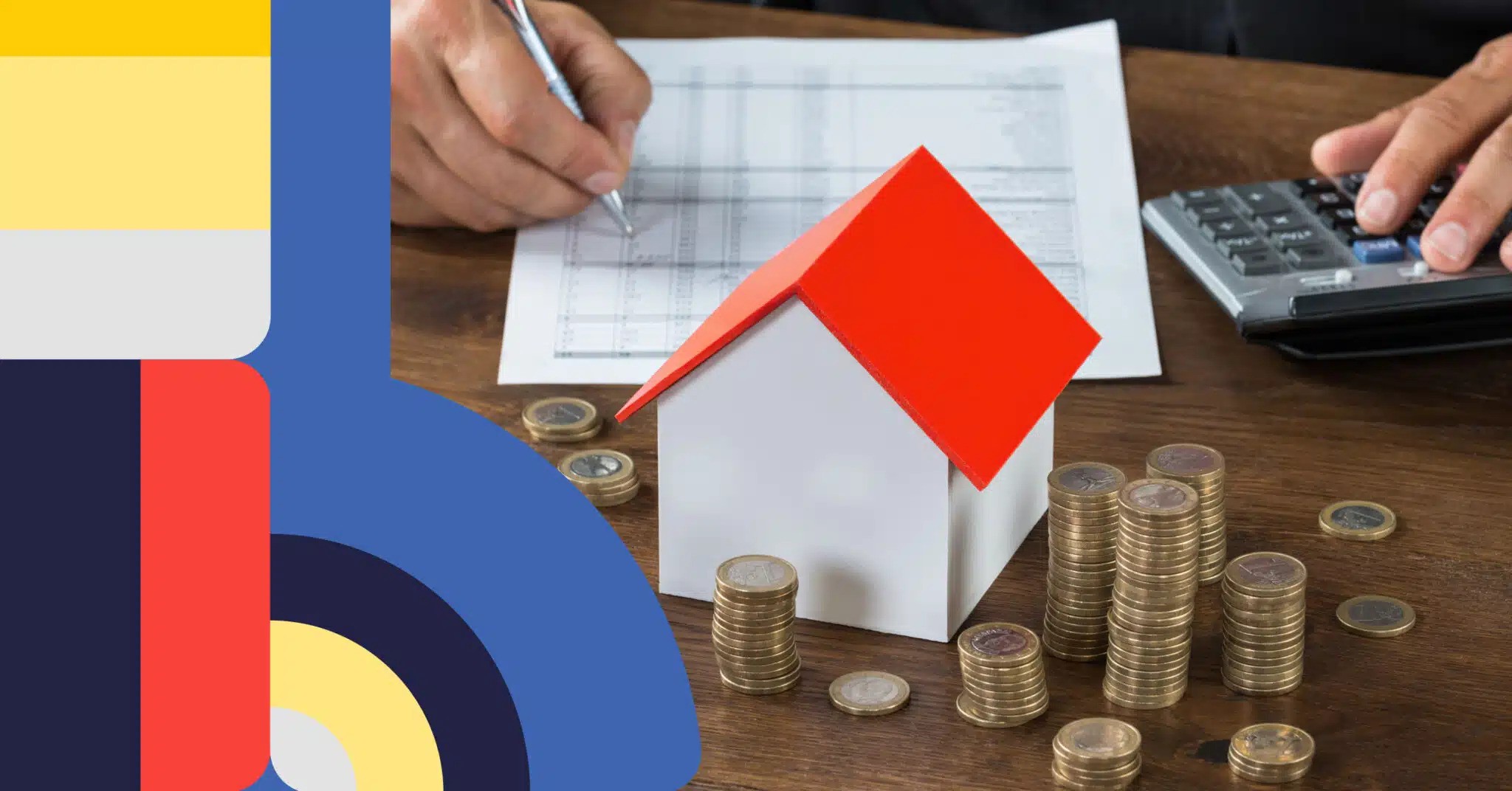
The down payment plays a pivotal role in mortgage approval, and lenders carefully consider its size. With a $140,000 salary, you have the potential to make a significant down payment, which can lead to more favorable loan terms.
A larger down payment reduces the loan amount, which in turn lowers monthly mortgage payments and can help secure a better interest rate. Conversely, insufficient down payment due to high household expenses can result in higher interest rates.
Therefore, maximizing savings by reducing unnecessary expenses and increasing net income is essential. Effective saving habits can also improve credit scores, further enhancing your eligibility for attractive loan packages.
Luxury Home Purchases And Jumbo Financing
In the world of real estate, people with significant earnings often think about jumbo loans to pay for expensive homes that go out of reach of the normal loan limit. Jumbo loans usually kick in where regular loans end.
This limit can change depending on the area, but it often starts around $548,250. To be eligible for a jumbo loan, you need a good credit rating, a large down payment (usually 20% or more), and proof that you can manage the bigger loan amount. Although jumbo loans make buying fancy houses possible, they come with higher interest rates and possible dangers.
High-income earners often consider jumbo loans to finance luxury homes that exceed conventional loan limits. These limits vary by location but generally start around $548,250. Qualifying for a jumbo loan typically requires a strong credit rating, a substantial down payment (20% or more), and proof of your ability to manage the larger loan amount.
While jumbo loans facilitate the purchase of high-end properties, they may involve higher interest rates and greater financial risks, necessitating careful consideration of the pros and cons
Luxury Homeownership - The Real Price Tag

Luxury homes, often situated in prime locations, represent a significant investment, and the financial commitment extends beyond the initial purchase. While the mortgage is a primary expense, homeowners must also budget for a range of recurring and often substantial costs. Property taxes in affluent areas tend to be higher, reflecting the increased value of the real estate and the quality of local services.
Homeowners insurance premiums can also be elevated for high-value properties, requiring coverage that adequately protects the larger investment. Furthermore, the sheer size and intricate features of luxury homes contribute to increased maintenance demands.
These costs can encompass everything from landscaping and pool upkeep to specialized repairs and the upkeep of high-end finishes and appliances. Diligent financial planning is essential to fully capture these ownership costs, ensuring the long-term preservation of the property's value and the homeowner's financial well-being.
Lifestyle Considerations And Home Size Choices
A $140,000 income provides greater flexibility in choosing a home that aligns with your lifestyle. Factors such as proximity to work, family-friendly neighborhoods, and access to amenities become important considerations.
Exploring different areas and communities can help you find the ideal fit. While a higher income expands your options, it's essential to balance lifestyle preferences with financial considerations, including commuting costs and property taxes.
Investment Potential Of Real Estate At Higher Income Levels
Real estate offers investment potential beyond simply providing a place to live. Successful investors monitor market trends, including supply and demand dynamics, to identify opportunities for appreciation.
Investing in properties in developing areas can yield significant returns. Additionally, generating rental income from real estate can provide a supplementary income stream. Wise property selection and strategic investment can contribute to long-term wealth accumulation for high-income earners.
Balancing Homeownership With Comprehensive Financial Planning

While homeownership is a valuable goal for those with a $140,000 salary, it should be integrated into a comprehensive financial plan. You should aim to balance your desire for home ownership with smart retirement planning, varied investments, and strong savings.
Always remember owning a home is very important and is part of the bigger picture. Buying a home in the long term serves your larger purpose and invests your money in a place that is much more profitable for you in the future.
FAQs About Home Ownership
How Expensive Of A House Could Someone Get With A $140,000 Yearly Salary?
Someone With A $140,000 Yearly Salary Could Potentially Afford A House That Costs Around $560,000 To $700,000.
What Are The Key Factors That Can Impede The Delivery Of Affordable Housing?
Several factors can impede affordable housing delivery. These may include issues like land inaccessibility, a poorly developed financial and mortgage system, high construction costs, poverty, ineffective government policies and bureaucratic processes, high prices of building materials, and rapid population growth
What Financial Actions Can Improve My Ability To Purchase A Higher-priced Property Later?
To potentially afford a more expensive home in the future, you can focus on strategies that improve your overall financial standing. This includes reducing your current debt to improve your debt-to-income ratio, increasing your savings for a larger down payment, and consistently managing your finances to enhance your credit score.
Final Thoughts
For those with a strong income, selecting a home in a desirable location is a significant financial decision. When choosing a property, consider its potential for future appreciation and its role as a long-term investment.
Factors like property taxes, location, and market trends are crucial elements of a sound investment strategy. Purchasing a quality home in a prime location can be a prudent investment, with the potential for substantial long-term financial gains.
Jump to
The 28/36 Rule
How Much House Can I Afford With 140k Salary
Understanding Your Take-Home Pay From A $140,000 Salary
Evaluating Debt-to-Income Ratio At Higher Income Levels
Mortgage Options And Interest Rates For High Earners
Calculating Your Home Affordability
Strategic Down Payment Planning On A $140,000 Salary
Luxury Home Purchases And Jumbo Financing
Luxury Homeownership - The Real Price Tag
Lifestyle Considerations And Home Size Choices
Investment Potential Of Real Estate At Higher Income Levels
Balancing Homeownership With Comprehensive Financial Planning
FAQs About Home Ownership
Final Thoughts
Latest Articles
Popular Articles