How Much House Can I Afford With 55k Salary?
Earn $55K a year? Find out how much house you can afford based on income, mortgage rates, and down payment options. Get expert tips to maximize your budget.
Jul 02, 2025586 Shares83.7K Views
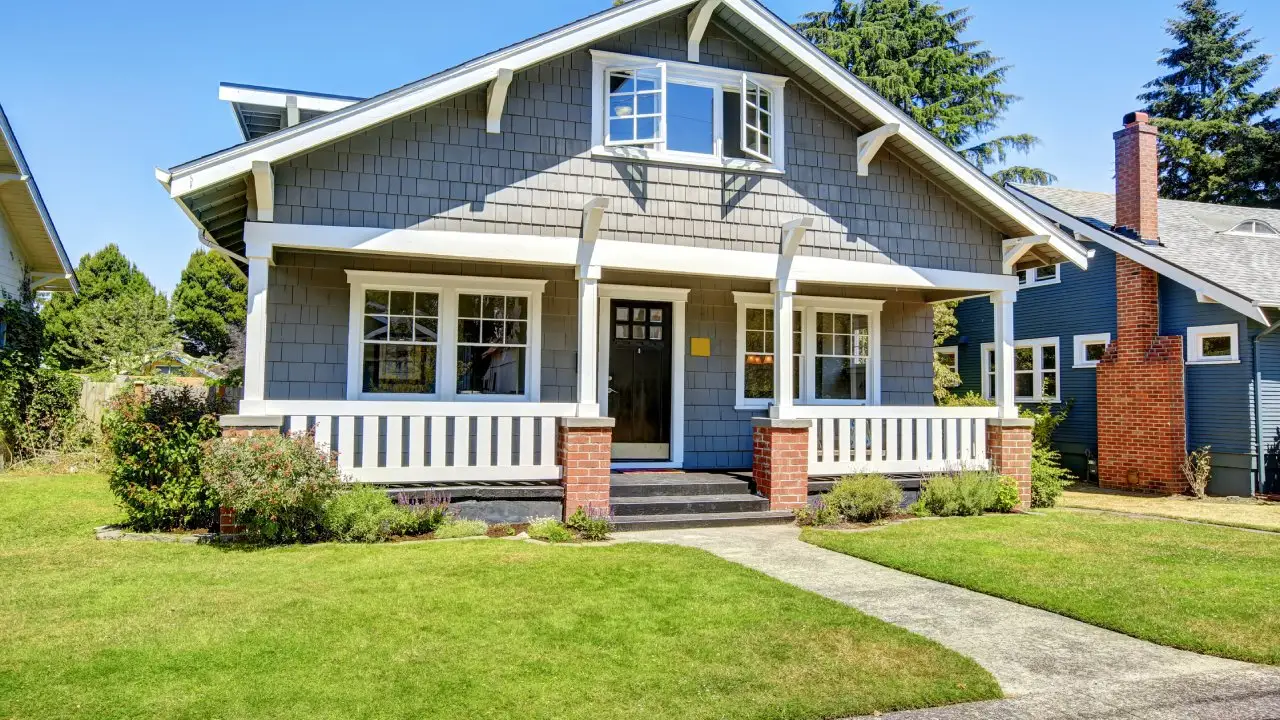
Buying a home is one of the biggest financial decisions you'll make, and if you're earning $55,000 a year, it's essential to know how much house you can afford. While lenders use various factors to determine mortgage eligibility, understanding your budget beforehand prevents financial strain and helps you make a confident decision.
This article breaks down the key factors influencing home affordability, provides realistic home price estimates, and offers strategies to maximize your purchasing power.
Realistic Home Price Estimates Based On A $55K Salary
The cost of homes varies significantly depending on location, and a $55,000 salary will go further in some areas than others. Understanding how much home you can afford requires looking at regional housing prices and factoring in mortgage rates, property taxes, and other expenses.
High-Cost Areas - Limited Options For Homebuyers
In states like California, New York, and Massachusetts, where housing prices are high, a $55,000 salary may not be enough to afford a single-family home. In cities such as San Francisco, Los Angeles, and New York City, home prices often exceed $500,000, making homeownership difficult without a substantial down payment or additional income.
In these areas, buyers may need to consider condos, townhouses, or co-ops, which are often more affordable than detached homes. Shared ownership programs or government assistance programs might also be necessary for first-time buyers.
Mid-Cost Areas - A Balance Between Affordability And Space
In states like Texas, Florida, and Arizona, home prices are more reasonable compared to high-cost markets. A $55,000 salary may be enough to afford a single-family home in the $200,000 to $250,000 range, depending on the city and neighborhood.
Cities such as Houston, Tampa, and Phoenix offer more affordable housing options while still providing access to urban amenities. With a reasonable down payment and a good credit score, buyers in these areas may qualify for conventional or FHA loans, making homeownership more attainable.
Low-Cost Areas - More Affordable Housing Options
In states across the Midwest and the South, such as Ohio, Indiana, and Tennessee, housing prices are significantly lower than in major coastal cities. With a $55,000 salary, it may be possible to afford a home priced between $150,000 and $200,000.
In many smaller towns and suburban areas, homes in this price range provide ample space, including multiple bedrooms and large yards. Lower property taxes and insurance costs also make homeownership more affordable in these regions.
Setting Realistic Expectations
Since home affordability varies based on local housing markets, it’s essential to research real estate listings in the areas you are interested in. Using online mortgage calculators helps estimate monthly payments, taking into account property taxes, homeowners insurance, and interest rates.
Seeking advice from personal finance expertscan also help you understand how much you can realistically afford while balancing other financial goals. Working with a real estate agent familiar with local markets can provide insight into available options within your budget. By setting realistic expectations, buyers can find a home that fits their financial situation without stretching their budget too thin.
Key Factors That Determine Home Affordability
Several factors impact how much house you can afford beyond just your salary. Before approving a mortgage, lenders consider your debt, credit score, and financial commitments.
1. Income And Debt-to-Income (DTI) Ratio
Lenders use the debt-to-income (DTI) ratio to determine how much home you can afford. This ratio compares your monthly debt payments to your gross monthly income and helps lenders assess your ability to handle a mortgage responsibly. Keeping your DTI within recommended limits increases your chances of mortgage approval and prevents financial strain.
Front-End DTI - Housing Costs
The front-end DTI ratio measures the percentage of your income that goes toward housing expenses, including principal, interest, property taxes, and homeowner’s insurance. Lenders generally recommend that these costs should not exceed 28% of your gross monthly income.
For someone earning $55,000 per year, the gross monthly income is approximately $4,583. Applying the 28% rule, the maximum affordable housing cost per month would be $1,283. Staying within this range ensures that housing expenses remain manageable while leaving room for other financial obligations.
Back-End DTI - Total Debt Obligations
The back-end DTI ratio considers all monthly debt payments, including housing costs, car loans, student loans, credit card payments, and other financial obligations. Lenders typically require this ratio to stay below 36% of gross income, ensuring that borrowers do not become overburdened by excessive debt.
With a $55,000 annual salary and a gross monthly income of $4,583, the total monthly debt payments should not exceed $1,650. This amount includes both the estimated mortgage payment and any additional debts. If existing debt payments are high, the maximum mortgage amount may need to be adjusted downward to maintain a reasonable DTI ratio.
2. Credit Score And Interest Rates
A higher credit score means better mortgage rates. Interest rates significantly affect affordability, as lower rates reduce monthly payments.
| Credit Score | Typical Mortgage Rate |
| 760+ | Best rates (around 6.5%) |
| 700-759 | Competitive rates (6.8%) |
| 620-699 | Higher rates (7.5% or more) |
| Below 620 | May struggle to get approved |
If your credit score is below 700, improving it before applying for a mortgage can save you thousands over the life of the loan.
3. Down Payment Requirements
The down payment is the amount of money you pay upfront when buying a home. The more you put down, the lower your monthly payments will be. It also affects whether you need to pay extra fees like private mortgage insurance (PMI).
How Your Down Payment Affects Your Home Purchase
Lenders offer different home loan options based on how much you can pay upfront. Here’s how different down payment amounts impact affordability:
20% Down Payment - Best For Lower Costs
If you put 20% down, you avoid PMI, which can add extra costs to your monthly mortgage. Your loan amount will be smaller, and your monthly payments will be lower.
For example, if you buy a $250,000 home:
- A 20% down payment means paying $50,000 upfront.
- Your estimated monthly payment would be around $1,283 (not including property taxes and insurance).
5-10% Down Payment - Common Choice For Buyers
Most people put down 5-10% when buying a home. This makes it easier to buy a house sooner, but you’ll have to pay PMI, which increases your monthly costs.
- A 10% down payment on a $250,000 home means paying $25,000 upfront. Your monthly mortgage payment would be about $1,400 (including PMI).
- A 5% down payment means paying $12,500 upfront, but your monthly payment would be higher, around $1,500 (including PMI).
3.5% Down Payment - FHA Loan Option
FHA loans allow buyers, especially first-time homeowners, to buy a home with just 3.5% down. This makes homeownership more accessible, but it comes with mortgage insurance premiums (MIP), which adds extra costs.
For a $250,000 home, a 3.5% down payment means paying $8,750 upfront, but your monthly payments will be higher due to the added mortgage insurance.
0% Down Payment - VA And USDA Loans
Some government-backed loans allow you to buy a home with no down payment, but they have specific requirements:
- VA loans are for military members and veterans. These loans require no down payment and no PMI, which helps keep monthly payments lower.
- USDA loans help people buy homes in rural areas with no down payment, but there are income limits and other qualifications.
4. Loan Type And Terms
The type of mortgage you choose plays a big role in how much house you can afford. Each loan option has different requirements for down payments, credit scores, and eligibility. Understanding these differences helps you choose the best option for your financial situation.
Conventional Loans - Best For Good Credit
Conventional loans are the most common type of mortgage. They usually require a down payment between 5% and 20%. If the down payment is less than 20%, private mortgage insurance (PMI) is required, which increases the monthly payment. This type of loan is ideal for buyers with a credit score of 620 or higher.
Those with strong financial profiles often qualify for lower interest rates, making homeownership more affordable in the long run. Conventional loans are flexible and can be used for a variety of home types, including primary residences, second homes, and investment properties.
FHA Loans - Best For Lower Credit Scores
FHA loans are government-backed mortgages designed for buyers who may not have a high credit score or a large down payment. They require as little as 3.5% down, making it easier for first-time homebuyers to qualify. Unlike conventional loans, FHA loans have lower credit score requirements, with some lenders accepting scores as low as 580.
However, borrowers must pay mortgage insurance premiums (MIP) for the life of the loan, which increases overall costs. Despite this, FHA loans remain a popular choice for those who need a more accessible financing option.
VA Loans - Best For Military Members And Veterans
VA loans are available to active-duty military personnel, veterans, and eligible service members. These loans offer significant benefits, including a 0% down payment requirement and no private mortgage insurance, which helps lower monthly costs.
The U.S. Department of Veterans Affairs backs VA loans, allowing lenders to offer competitive interest rates. Since there is no down payment requirement, this loan type makes it easier for military families to buy a home without the need for large upfront savings.
USDA Loans - Best For Rural Homebuyers
USDA loans are designed for buyers looking to purchase a home in rural and suburban areas. They also offer 0% down payment options, making them accessible to those who qualify.
However, USDA loans come with income limits, meaning only buyers within certain financial brackets can apply. These loans often have lower mortgage insurance costs compared to FHA loans, making them a cost-effective choice for eligible homebuyers.
How To Increase Your Home Affordability
1. Improve Your Credit Score
A strong credit scoreincreases your chances of securing a lower interest rate, reducing your monthly mortgage payments. Paying bills on time, keeping credit card balances low, and avoiding new debt before applying for a mortgage are key steps to boosting your score.
Regularly checking your credit report and correcting any errors can also improve your credit standing. Aiming for a credit score above 700 will provide better loan options, though FHA loans accept scores as low as 580.
2. Reduce Your Debt-to-Income (DTI) Ratio
Lenders use the debt-to-income (DTI) ratio to determine how much you can afford. Keeping your DTI low increases your borrowing capacity. Paying off high-interest debts such as credit cards and personal loans will improve your financial profile.
Consolidating loans to reduce monthly payments can also help. Avoiding new financial obligations, like car loans or large purchases, before applying for a mortgage will ensure a more favorable loan approval.
3. Save For A Larger Down Payment
A higher down payment lowers your monthly mortgage costs and increases affordability. Setting aside a portion of income specifically for a down payment and cutting unnecessary expenses will speed up savings. Start on a budgetby tracking your spending, identifying areas to cut back on, and setting clear savings goals.
Using tax refunds, work bonuses, or financial gifts from family can significantly boost the amount you can put down. First-time homebuyer programs and grants may also provide additional funds. A 20% down payment eliminates the need for private mortgage insurance (PMI), reducing costs even further.
4. Consider First-Time Homebuyer Programs
Government-backed loans and local assistance programs can make homeownership more accessible. FHA loans require only 3.5% down and have flexible credit requirements, making them a great option for first-time buyers. USDA loans offer zero-down financing for those purchasing homes in eligible rural areas.
VA loans provide military veterans with the opportunity to buy with no down payment and no PMI. Many states and cities also offer grants or special financing options to help new buyers afford a home.
5. Choose A Longer Loan Term
Extending your mortgage to a 30-year term instead of a 15-year term reduces monthly payments, making homeownership more affordable in the short term.
While the total interest paid over the life of the loan is higher, this option allows buyers to qualify for a larger loan with lower immediate financial strain. Some homeowners refinance later to shorten their loan term once their financial situation improves.
6. Look For Homes In More Affordable Areas
Housing prices vary significantly by location. Expanding your search to include suburban areas or smaller towns can lead to lower home prices and property taxes.
Relocating to states with a lower cost of living can also make it easier to find a home within budget. Researching various markets and comparing housing costs can help buyers identify areas where a $55K salary stretches further.
7. Buy A Smaller Or Fixer-Upper Home
Opting for a smaller home or a property in need of renovations can significantly reduce costs. Homes that need minor repairs or cosmetic updates are usually priced lower than move-in-ready houses.
Making improvements over time allows buyers to build equity while staying within budget. Programs like the FHA 203(k) loan help finance both the purchase price and renovation costs, making it easier to afford a home that needs work.
8. Negotiate Closing Costs
Closing costs add thousands of dollars to a home purchase, but many fees can be negotiated or reduced. Asking the seller to contribute to closing costs can lower the amount you need upfront.
Shopping around for mortgage lenders and comparing fees can help secure better rates. Some first-time homebuyer programs also offer closing cost assistance, making homeownership more affordable.
9. Increase Your Income
Higher earnings improve your DTI ratio and allow you to qualify for a larger mortgage. Taking on a part-time job, freelancing, or starting a side business can boost income and make homeownership more feasible.
Asking for a raise or pursuing a promotion at work can also help. Additional income streams increase your financial stability and improve mortgage approval chances.
10. Consider House Hacking
House hacking involves buying a multi-unit property and renting out one unit to help cover the mortgage. Living in one part of the home while generating rental income can significantly reduce monthly housing costs.
This strategy is particularly useful for first-time buyers looking to offset expenses and build wealth through real estate. Some loan programs, including FHA loans, allow buyers to finance multi-unit properties with low down payments.
Strategies To Buy More Houses On A $55K Salary
Buying a home on a $55,000 salary may seem challenging, but several strategies can help you maximize your purchasing power. From government-backed programs to smart financial moves, there are ways to afford a better home while staying within budget.
First-Time Homebuyer Programs
There are various mortgage programs designed to make homeownership more accessible, especially for first-time buyers.
- FHA loans allow buyers to put down just 3.5% of the purchase price, making them a great option for those with limited savings or lower credit scores. These loans have more flexible requirements than conventional loans, helping more buyers qualify.
- USDA loans offer 0% down payment options for homes in eligible rural areas. This can be an excellent choice for buyers open to living outside of major metropolitan areas.
- The Good Neighbor Next Door program provides a 50% discount on homes for teachers, police officers, firefighters, and emergency medical technicians. This program is available in designated revitalization areas and requires buyers to live in the home for at least three years.
Alternative Approaches
If you’re willing to be creative, alternative home-buying strategies can help stretch your budget.
House hacking is a strategy where buyers purchase a multi-unit property, such as a duplex, and live in one unit while renting out the other. The rental income helps offset the mortgage payment, making homeownership more affordable.
Down payment assistance programs are available in many states, offering grants and low-interest loans to help cover upfront costs. Some programs provide up to $15,000 in assistance, significantly reducing the amount needed out of pocket.
Negotiating for seller concessions can also help lower costs. In some cases, sellers may agree to cover part or all of the closing costs, reducing the upfront expenses for buyers.
Budget-Stretching Tips
A few financial strategies can increase the amount of home you can afford while keeping payments manageable.
Improving your credit score before applying for a mortgage can help you secure a lower interest rate. A score of 740 or higher often qualifies for the best rates, which can lead to significant savings over the life of the loan.
Paying down existing debts can lower your debt-to-income (DTI) ratio, making it easier to qualify for a larger loan amount. Reducing credit card balances and car loans before applying for a mortgage can improve affordability.
Opting for a longer loan term, such as a 30-year mortgage instead of a 15-year term, can reduce monthly payments. While you’ll pay more in interest over time, the lower monthly cost may allow you to afford a more expensive home.
Hidden Costs Most Buyers Forget

Many first-time homebuyers focus only on their mortgage payment, but owning a home comes with additional expenses. These hidden costs can add up quickly and should be factored into your budget to avoid financial strain.
Property Taxes
Property taxes vary by location and are usually a percentage of your home's assessed value. The national average is about 1.1% per year, but rates range from as low as 0.5% in states like Hawaii to as high as 2.5% in states like New Jersey.
For a home valued at $200,000, this means you could pay around $2,200 per year or approximately $183 per month. If you live in a high-tax area, your annual property tax bill could be significantly higher.
Homeowners Insurance
Homeowners insurance is essential to protect your property from damage and liability risks. The national average cost is around $1,200 per year, which breaks down to about $100 per month.
However, if your home is in a high-risk area prone to hurricanes, wildfires, or floods, insurance premiums can be much higher. Homes in flood zones may require additional flood insurance, which can add $1,500 or more per year to your costs.
Private Mortgage Insurance (PMI)
If you make a down payment of less than 20%, lenders will require you to pay for private mortgage insurance (PMI). This protects the lender in case you default on your loan.
PMI costs typically range from 0.5% to 1.5% of the loan amount per year. For a $200,000 mortgage, this could mean an extra $1,000 to $3,000 annually, or around $83 to $250 per month. While PMI can be removed once you reach 20% equity, it's an extra expense to consider if you're putting down a smaller deposit.
Maintenance And Repairs
Owning a home means you are responsible for its upkeep. General maintenance and unexpected repairs can add up, so it’s wise to budget for these expenses. A common rule of thumb is to set aside 1% to 2% of your home’s value per year for maintenance costs.
For a $200,000 home, this means budgeting between $2,000 and $4,000 annually for repairs, upgrades, and regular maintenance. Older homes or properties with large yards and extensive landscaping may require even more upkeep.
People Also Ask
What Is The Minimum Credit Score Needed To Buy A House With A $55K Income?
For conventional loans, a minimum credit score of 620 is required, while FHA loans allow scores as low as 580 (or 500 with a 10% down payment).
Can I Qualify For A Mortgage With Student Loan Debt?
Yes, as long as your total debt-to-income ratio remains below lender requirements (usually 36-43%). Paying down debt can improve eligibility.
Is It Better To Rent Or Buy On A $55K Salary?
If you plan to stay in one place for 5+ years and can afford the costs, buying is a better long-term investment. Renting offers more flexibility but does not build equity.
Final Thoughts
With smart financial planning, buying a home on a $55K salary is possible. Keeping debt low, improving your credit, and choosing the right mortgage can make homeownership a reality. Assessing your budget carefully ensures you find a home that fits your lifestyle and financial goals.
Before deciding, research local home prices, loan options, and additional costs to set yourself up for long-term financial stability.
Latest Articles
Popular Articles