How Much House Can I Afford With A 120k Salary?
It's not easy to justify which kind of house you can buy if you are earning $120,000 per year because many individuals make $120,000 per year, but it depends on their monthly expenses.
Nov 10, 202350K Shares963.3K Views

You've hit a significant income milestone with a $120,000 salary. The dream of owning your own home likely feels closer than ever. But how does that impressive figure translate into the reality of today's housing market.
It's a question many high earners are asking. While your income is a major piece of the puzzle, understanding what you can truly afford involves more than just your salary. We'll break down the essential financial guidelines and important considerations to help you determine your actual home affordability.
The Foundational Rules
The 28/36 Rule

The 28% Rule suggests that your core housing costs, that's your mortgage principal and interest, property taxes and homeowners insurance (often called PITI) ideally shouldn't eat up more than 28% of your gross monthly income (that's before taxes!).
For someone earning $120,000 a year, that breaks down like this:
- Gross Annual Income: $120,000
- Gross Monthly Income: $120,000 / 12 = $10,000
- Maximum Recommended Housing Costs (28%): $10,000 * 0.28 = $2,800
So, according to this rule, you'd want to keep your total monthly housing expenses around $2,800 or less.
Now, the 36% Rule takes a broader look at your overall financial health. It says that all your monthly debt payments combined, including that $2,800 for housing, plus things like car loans, student loans and credit card minimums shouldn't exceed 36% of your gross monthly income.
This is a crucial point: buying a home isn't just about the mortgage; it's about how it fits into your complete financial picture. Don't forget to factor in all those other monthly obligations!
The 3-5 Times Annual Income Rule
For someone earning $120,000 annually, this paints a potential home price range of $360,000 to $600,000.This rule is actually part of a broader concept known as the "3-3-5 rule", which offers a more comprehensive look at affordability.
The first "3" in this rule emphasizes aiming for a down payment of at least 30% of the home's price. This significant upfront investment not only reduces your monthly mortgage payments but also helps you avoid or minimize private mortgage insurance (PMI).
The second "3" in the "3-3-5 rule" advises that your monthly mortgage payment should not exceed one-third (around 33%) of your gross monthly income. Stretching beyond this can leave you vulnerable to unexpected financial hiccups like job loss or interest rate increases.
Finally, the "5" in the "3-3-5 rule" reiterates that the property's purchase price should be no more than five times your annual income. Exceeding this benchmark suggests the home might be financially out of reach, potentially limiting your ability to save for other goals or handle unforeseen expenses.
Finding Your Comfortable Home Buying Range

To accurately determine your maximum allowable monthly mortgage payment, the initial step involves the computation of your gross monthly income. For an annual salary of $120,000, your gross monthly income is $10,000.
Applying the 28% rule, your maximum monthly expenditure for principal, interest, taxes, and insurance (PITI) should not exceed $2,800. However, a comprehensive assessment necessitates the inclusion of all other recurring monthly debt obligations to ensure the aggregate sum remains within the 36% rule's stipulated limit of $3,600.
Consider, for illustrative purposes, an instance where an individual incurs monthly debt obligations beyond housing, such as student loans and car payments. If these total $800 per month, this amount is subtracted from the 36% limit ($3,600), leaving $2,800 available for housing expenses.
In this specific scenario, the maximum affordable monthly housing expenditure aligns with the 28% rule's limit. However, if these other debts were higher, the 36% rule would dictate a lower maximum for housing.
Drawing upon these methodologies and acknowledging the interplay of diverse financial variables, an individual earning an annual salary of $120,000 might generally consider properties within the approximate price range of $360,000 to $600,000. While this range serves as a broad guideline, it is imperative to recognize that this constitutes a generalized approximation.
Strategies For Enhancing Housing Affordability And Mortgage Selection
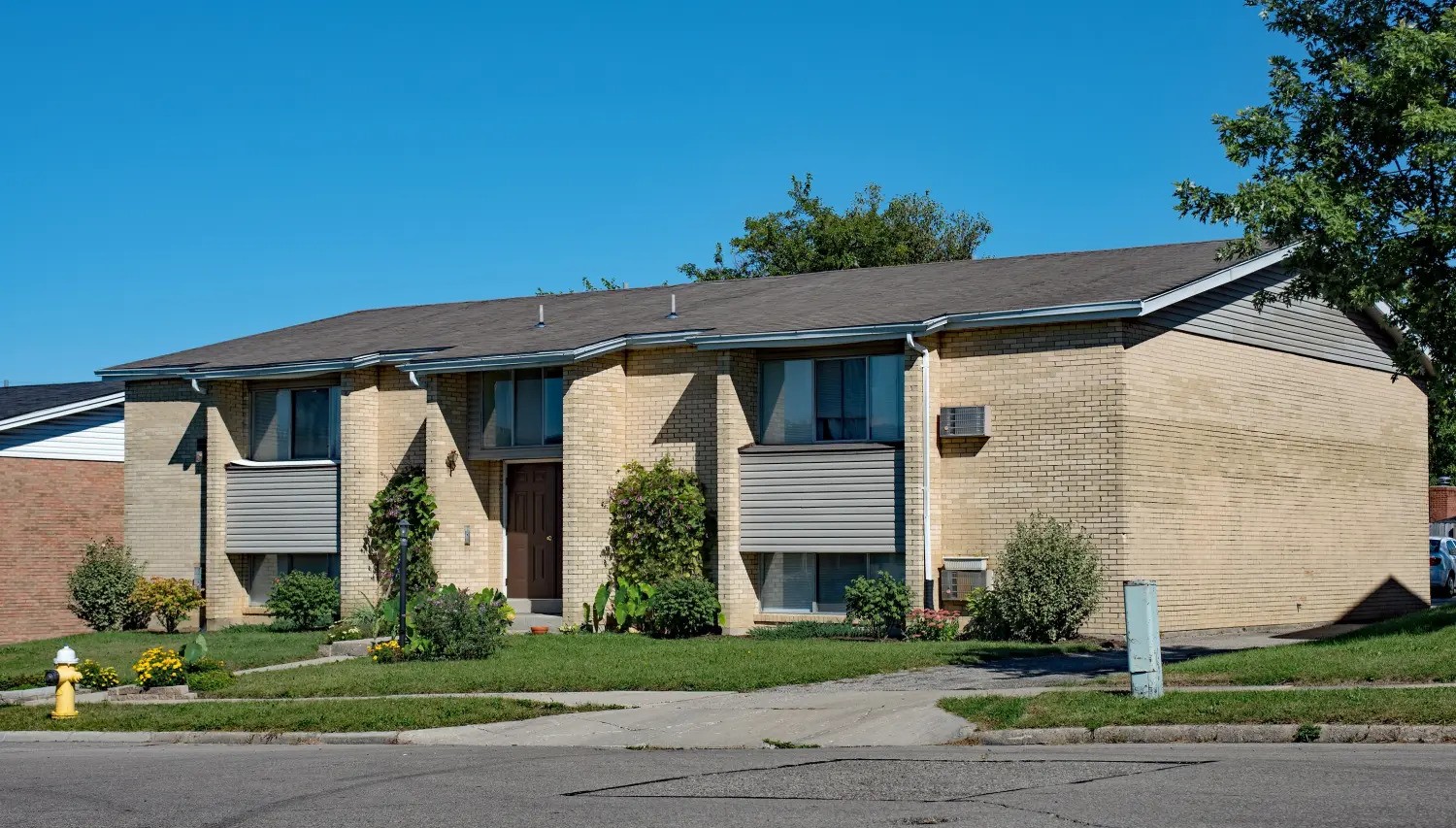
For those seeking to navigate the path to homeownership, a dual strategy centered on enhancing affordability and making informed mortgage choices is key. The journey often begins with strengthening one's financial position.
This involves a deliberate effort to cultivate a strong credit profile, as a higher credit score typically unlocks access to more favorable interest rates and loan terms, thereby reducing the overall cost of borrowing.
Simultaneously, accumulating a larger down payment proves advantageous by reducing the principal loan amount, which translates to lower monthly payments and potentially eliminates the need for private mortgage insurance.
When it comes to mortgages, a thorough evaluation of available options is paramount. Prospective buyers should carefully weigh the pros and cons of various loan types, such as fixed-rate mortgages, which provide payment stability, and adjustable-rate mortgages, which may offer lower initial rates but carry the risk of future rate adjustments.
Looking atgovernment-backed loan programs, where available, can also be beneficial, as these often feature more lenient terms for eligible borrowers. Ultimately, successful homeownership hinges on a combination of proactive financial management and well-informed decision-making in the mortgage selection process.
Location And Long-Term Value - Essential Considerations

Where you buy a home significantly dictates its cost and potential financial return. Housing costs differ greatly; urban and coastal areas typically have higher prices than rural or inland locations.
Therefore, consider the total cost of living, including property taxes and insurance, in your chosen area. Homeownership is a long-term investment that can build wealth through property appreciation, especially in desirable areas.
However, owning a home involves ongoing financial commitments. These include property taxes, insurance, and maintenance expenses, which should be carefully budgeted for. While real estate can be a valuable asset, it's crucial to balance potential gains with the reality of continuous ownership costs to ensure long-term financial stability.
Your Guide To Finding The Right Home

One of the most valuable first steps is to get pre-approved for a mortgage. This process involves a lender assessing your financial situation to determine how much you can realistically borrow.
Pre-approval provides you with a clear understanding of your purchasing power, preventing you from wasting time looking at homes outside your budget. Beyond that, it demonstrates to sellers that you are a serious and qualified buyer, giving you a competitive edge in the market.
Many buyers also find it incredibly beneficial to work with a real estate agent. These professionals possess in-depth knowledge of the local market and can help you identify properties that align with your needs and financial capabilities. A skilled agent can also be your advocate during negotiations, working to secure the best possible deal on your chosen home.
It's crucial to remain disciplined and avoid falling in love with the unaffordable. While it's easy to get caught up in the excitement of finding a dream home, sticking to your pre-approved price range is essential for maintaining financial stability. Emotional overspending can lead to long-term financial strain, so prioritize practicality and affordability throughout your search.
Remember that homeownership involves more than just the initial purchase price. Consider the long-term costs associated with owning a property. These include ongoing maintenance, potential repairs, and fluctuations in property value. Thinking ahead about these expenses will help you create a realistic budget and avoid unexpected financial burdens.
Read Also: What Is The Difference Between LTV And CLTV?
Key Mortgage Features

When considering mortgage options with a $120k salary, both fixed-rate and adjustable-rate mortgages present distinct characteristics. Fixed-rate mortgages offer the stability of a consistent interest rate and predictable monthly payments throughout the loan's duration, which greatly aids in long-term financial planning and provides security against interest rate increases.
This predictability can be particularly advantageous in managing a steady income and planning for future expenses. Conversely, adjustable-rate mortgages (ARMs) typically begin with a lower initial interest rate, which can make more expensive properties seem initially affordable.
However, the interest rate on ARMs adjusts periodically after an initial fixed period, potentially leading to increased monthly payments. While a $120k salary offers some capacity to absorb these potential increases, borrowers must carefully evaluate the terms and potential risks associated with ARMs.
Ultimately, the choice between fixed-rate and adjustable-rate mortgages depends on individual financial circumstances, risk tolerance, and long-term financial goals. Factors such as the stability of income, plans for future income growth, and the anticipated duration of homeownership all play a significant role in determining the most suitable mortgage type
Real Estate As A Wealth-Building Strategy
For many, particularly those with higher annual incomes, real estate acquisition is viewed as a long-term strategy for wealth accumulation. A common approach involves purchasing a property, especially a luxury home in a desirable location. Looking at the most expensive house in a luxury real estatemarket often reveals the potential for significant appreciation in such prime areas.
The expectation is that such properties, due to their location and inherent quality, will appreciate in value over time. This appreciation can then translate to a significant return on investment should the owner decide to sell the property in the future.
Essentially, the core principle is that investing in well-located, high-quality real estate offers a pathway to increased wealth. By acquiring a valuable asset in a sought-after area and holding it for an extended period, the owner aims to benefit from the property's increased market value, ultimately realizing a substantial gain upon resale.
FAQs About Home Ownership
Is There A General Rule For How Much House I Can Buy Based On My Income?
Some guidelines suggest that you can afford a home that costs 3 to 5 times your annual salary. However, this is a broad estimate, and individual circumstances vary.
Why Is A Down Payment Important When Buying A Home With A $120k Salary?
A down payment is important when buying a home with a $120k salary because it reduces the loan amount, lowers monthly payments, can secure better interest rates, and may help avoid mortgage insurance.
How Does My Credit Score Affect My Ability To Get A Mortgage?
A good credit score is essential as it demonstrates creditworthiness and can help you secure better interest rates and loan terms.
What Is The 28/36 Rule, And How Does It Apply To My $120k Salary?
The 28/36 rule is a guideline. The 28% rule suggests your housing costs (principal, interest, taxes, insurance) shouldn't exceed 28% of your gross monthly income. The 36% rule states that your total monthly debt (including housing) shouldn't exceed 36% of your gross monthly income.
Final Thoughts
For individuals earning a $120k salary, homeownership is an attainable goal, but it necessitates careful financial planning and realistic expectations. While income is a primary determinant, a comprehensive affordability assessment must extend beyond salary to include factors such as existing debt, credit standing, down payment capabilities, and the anticipated costs of homeownership.
The selection of a suitable mortgage, whether a fixed-rate or adjustable-rate option, requires thorough consideration of individual risk tolerance and financial objectives.
Ultimately, achieving successful homeownership with a $120k salary relies on a foundation of sound financial management, proactive planning, and a nuanced understanding of the prevailing real estate market dynamics.
Jump to
The Foundational Rules
Finding Your Comfortable Home Buying Range
Strategies For Enhancing Housing Affordability And Mortgage Selection
Location And Long-Term Value - Essential Considerations
Your Guide To Finding The Right Home
Key Mortgage Features
Real Estate As A Wealth-Building Strategy
FAQs About Home Ownership
Final Thoughts
Latest Articles
Popular Articles