How Much House Can I Afford With A $60,000 Salary Per Year?
Curious how much house you can afford with a $60,000 salary? Calculate your monthly mortgage payment and learn how to get the most out of your home buying budget.
Nov 06, 20237.4K Shares574.5K Views

Purchasing a home represents a monumental financial undertaking for most individuals. The excitement of acquiring a place to call your own is often accompanied by the weight of significant financial responsibility. To navigate this journey successfully and avoid the pitfalls of overspending, a thorough understanding of home affordability is crucial.
In-depth discussions of the major variables influencing affordability will be covered, along with advice on how to determine your affordability. We will also go over how to choose the ideal house for your budget and get pre-approved for a mortgage.
Key Factors That Affect Affordability Of Housing
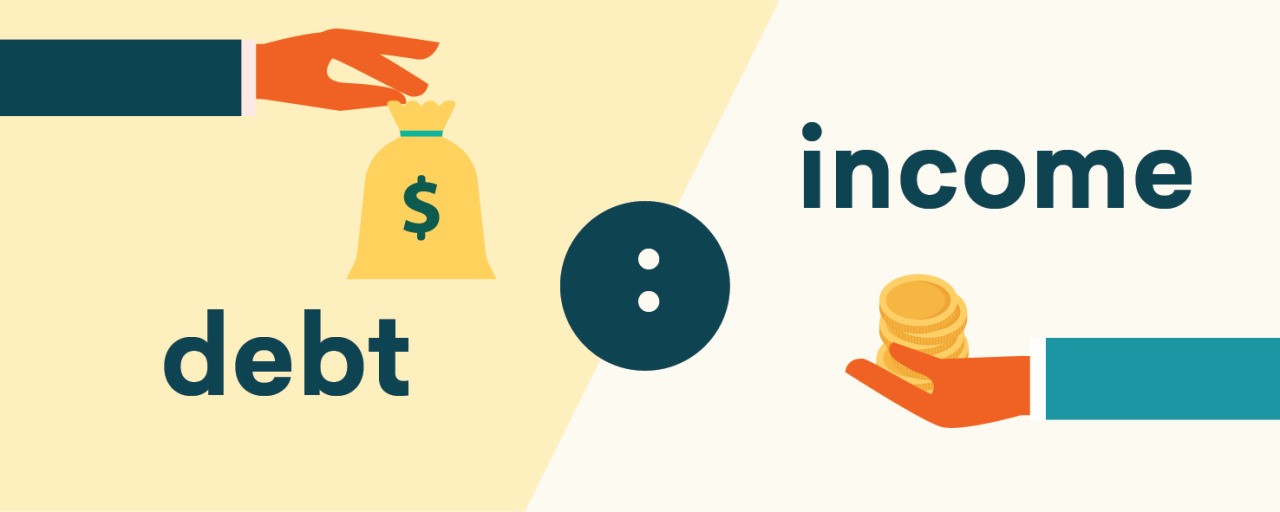
- Debt-to-income ratio (DTI) -Your DTI is a critical metric that expresses the percentage of your gross monthly income dedicated to servicing debt. Lenders use this ratio to gauge your capacity to handle additional financial obligations, such as a mortgage, alongside your existing debts.
- Down payment -Your DTI is a critical metric that expresses the percentage of your gross monthly income dedicated to servicing debt. Lenders use this ratio to gauge your capacity to handle additional financial obligations, such as a mortgage, alongside your existing debts.
- Mortgage rate -The interest rate applied to your mortgage loandirectly impacts your monthly payments and the total interest you'll pay over the loan's term. Even small fluctuations in interest rates can translate to substantial long-term savings or costs.
- Other monthly expenses -Your existing financial obligations, including car loans, credit card debts, student loan payments, personal loans, and other recurring expenses, all contribute to your overall debt burden and affect your affordability.
- Location, Property Taxes, and Homeowners Insurance:While not debts in the traditional sense, these factors significantly influence the overall cost of homeownership. Property taxes vary widely by location and are based on the assessed value of the property. Homeowners insurance protects your investment and is typically a mandatory expense for mortgage holders.
- Credit Score:Your credit score is a numerical representation of your creditworthiness. A higher credit score generally qualifies you for better mortgage terms, including lower interest rates.
Deciphering Your Debt-to-Income Ratio (DTI)
Your debt-to-income ratio (DTI) is a fundamental indicator of your financial health. It's calculated by dividing your total monthly debt payments by your gross monthly income. Lenders rely on DTI to assess your capacity to manage additional debt, including a mortgage.
You Might Also Like: To Know More About A Debt-to-Income Ratio (DTI) Calculator
Why Is DTI Important?
Lenders use DTI to evaluate how much of your income is already committed to existing debt. A high DTI suggests a higher risk of defaulting on a loan, while a low DTI demonstrates financial stability and responsible debt management.
Examples Of Different Types Of Debt That Are Included In DTI
Different types of debt that are included in DTI include:
- Credit card debt
- Student loan debt
- Car payments
- Personal loans
- Alimony or child support payments
- Mortgage payments on other properties
Leveraging DTI To Determine Mortgage Borrowing Capacity

Lenders establish maximum DTI ratios that they are willing to accept. These limits can vary depending on the lender, the type of loan (e.g., conventional, FHA), and other financial factors.
For instance, conventional loans often have a maximum back-end DTI of 36%, while FHA loans may allow for slightly higher DTIs (up to 43%) under certain circumstances. It's crucial to confirm the specific DTI requirements of your chosen lender.
If your DTI exceeds the lender's established limit, you may encounter challenges in securing a mortgage. You might face denial of approval, be offered a smaller loan amount than desired, or be subject to a higher interest rate, increasing your overall borrowing costs.
Calculate Your DTI
To calculate your DTI, simply add up all of your monthly debt payments and divide the total by your gross monthly income.
For example, if you have the following monthly debt payments:
- Credit card payments - $300
- Student loan payments - $200
- Car payments - $100
- Personal loan payments - $50
And your gross monthly income is $5,000, then your DTI would be calculated as follows:
- DTI = (Total monthly debt payments / Gross monthly income) 100
- DTI = ($650 / $5,000)100 =13%
The 28/36 Rule
The 28/36 rule is a widely used guideline to help individuals assess their housing affordability. It consists of two parts. First, the 28% rule suggests that a maximum of 28% of your gross monthly income should be allocated to total housing expenses. These expenses typically include the principal and interest on the loan, property taxes, and homeowner's insurance (PITI). For someone earning $60,000 per year, this translates to a maximum of $1,400 per month for housing.
The second part, the 36% rule, broadens the scope to include all monthly debt obligations. It recommends that total monthly debt, encompassing housing costs and other debts like credit card payments, student loans, and car loans, should not exceed 36% of gross monthly income. In the case of a $60,000 annual salary, the total monthly debt should be no more than $1,800.
While the 28/36 rule provides a helpful benchmark, it's essential to recognize that it's a guideline. Individual financial circumstances, local market conditions, and other financial priorities can influence what is truly affordable for each person.
The Significance Of A Down Payment
A down paymentis your initial financial commitment when buying a home , the upfront money you contribute, typically expressed as a percentage of the total purchase price. Think of it as your entry ticket to homeownership.
For instance, if you're eyeing a $300,000 property and put down 10%, that's a $30,000 investment. This initial payment is a crucial step in the home-buying process, influencing not only the amount you borrow but also your overall financial journey as a homeowner.
The significance of a down payment extends beyond just securing the keys. It's a powerful tool that offers several key advantages. Primarily, a larger down payment reduces the amount you need to finance, leading to lower monthly mortgage payments and saving you money on interest over the loan's lifetime.
It also demonstrates to lenders that you're a serious and responsible buyer, increasing your credibility and potentially improving your chances of mortgage approval at more favorable interest rates. Furthermore, a bigger down payment can help you avoid or reduce the need for Private Mortgage Insurance (PMI), an additional expense that protects the lender.
Down payments come in two main forms: cash down payments, sourced from your personal savings or investments, and gift down payments, which involve funds received from family or friends (though these often come with specific lender requirements).
Regardless of the source, the amount of your down payment has a direct impact on your mortgage. The more you put down, the less you borrow, and the lower your ongoing monthly payments will be. This highlights the importance of prioritizing saving for a down payment to make homeownership more affordable and financially sound.
Securing Mortgage Pre-Approval
Mortgage pre-approvalis a vital step in the home-buying process. It's essentially a lender's initial assessment of your financial standing, determining the maximum loan amount you're likely to qualify for. This process involves submitting a mortgage application and providing detailed documentation of your finances, including income, assets, debts, and employment history. Lenders also review your credit report to evaluate your creditworthiness.
Obtaining pre-approval offers several key advantages for homebuyers. It demonstrates your seriousness and financial capability to sellers, giving you a competitive edge. Pre-approval also helps you establish a realistic budget, allowing you to focus on homes within your price range. Furthermore, it strengthens your negotiating position and streamlines the closing process, facilitating a faster transaction.
To secure the best possible mortgage rate and minimize borrowing costs, consider these strategies:
- Shop around and compare rates from multiple lenders.
- Get pre-approved from multiple lenders (optional).
- Enhance your credit score before applying.
- Increase your down payment amount.
- Consider a shorter loan term for potential savings.
- Negotiate with lenders to secure the best deal.
By actively pursuing a favorable mortgage rate, you can significantly reduce the overall expense of homeownership.
See More: Know What A Loan-to-Value (LTV) Ratio Is
Find The Right Home For Your Budget

Factors To Consider When Choosing A Home
There are a number of factors to consider when choosing a home, including:
- Location -Location is arguably the most important factor in your home search. Evaluate the neighborhood's safety, proximity to your workplace, the quality of local schools (if applicable), access to amenities (parks, shopping, restaurants), transportation options, and the overall quality of life it offers. Consider both your current needs and your potential future needs.
- Size -Determine the amount of living space you require, both now and in the foreseeable future. Consider the number of bedrooms and bathrooms, the size of the living areas, and if you need additional space for a home office, hobbies, or storage.
- Amenities -Prioritize the amenities that are essential to your comfort, convenience, and enjoyment of your home. These might include a yard or outdoor space, a garage, a specific number of bedrooms and bathrooms, a home office, a fireplace, or other desired features.
- Price -Consider your budget and how much you can afford to spend on a monthly mortgage payment.
Negotiate With Sellers And Avoid Overpaying For A Home
Here are some tips on how to negotiate with sellers and avoid overpaying for a home:
- Do your research -Know the market value of the home you are interested in before you make an offer. You can use online tools or hire a real estate appraiser to get an estimate of the home's value.
- Be prepared to walk away -If you are not comfortable with the seller's asking price, be prepared to walk away from the negotiation. This shows the seller that you are serious about getting a good deal.
- Be flexible -Be willing to negotiate on different aspects of the offer, such as the price, the closing date, and the repairs that the seller will make before the sale closes.
- Get everything in writing -Once you have reached an agreement with the seller, be sure to get everything in writing. This will protect you in case there are any disagreements down the road.
Additional Tips For Finding The Right Home For Your Budget
- Work with a real estate agent -A real estate agent can help you find homes that meet your needs and budget. They can also negotiate with sellers on your behalf.
- Be patient -It may take some time to find the right home for you. Don't rush the process and make an offer on a home that you are not completely in love with.
You can select the ideal house for your budget and prevent overpaying for a property by using the advice in this article.
Other Factors To Consider When Buying A Home

When purchasing a house, there are a number of additional elements to take into account, such as property taxes, homeowners insurance and maintenance costs that may have an impact on your ability to finance it in addition to those covered in the preceding sections.
Property Taxes
An annual tax based on the value of your house is called property taxes. Public services like roads, schools, and libraries are funded in part by property taxes, which are normally paid to the local government.
Your home's worth and location will determine how much property taxes you must pay. Properties with greater property values and in more sought-after neighborhoods will often pay higher property taxes.
Homeowners Insurance
A sort of insurance called homeowner's insurance will shield you financially if your house is damaged or if someone gets hurt on your land. Typical coverage for homeowners insurance includes storm damage, theft, vandalism, and fire.
Your location, the kind of coverage you select, and the size and value of your house will all affect how much you pay for homeowners insurance.
Maintenance Costs
Numerous maintenance expenses, including snow removal, landscaping, grass care, and repairs, are associated with property ownership. The size, style, and personal preferences of your house will all affect how much money you spend on maintenance.
Tips On Budget For These Expenses
Here are some tips on how to budget for property taxes, homeowners insurance, and maintenance costs:
- Factor these expenses into your monthly mortgage payment -When you are calculating how much you can afford to spend on a monthly mortgage payment, be sure to factor in the cost of property taxes, homeowners insurance, and maintenance costs.
- Set up a separate savings account for these expenses -This will help you save money each month so that you have the funds to pay for these expenses when they come due.
- Shop around for the best deals on homeowners insurance -Homeowners insurance rates can vary significantly from company to company. Be sure to shop around and compare rates from multiple companies before you purchase a policy.
By budgeting for property taxes, homeowners insurance, and maintenance costs, you can avoid any financial surprises after you buy a home.
Don't Miss: The Difference Between LTV And CLTV
FAQs About House Ownership
What If I Have High Debt?
If you have high debt, it will be more difficult to qualify for a mortgage and you may need to make a larger down payment. You should also be prepared for a higher interest rate. If you are struggling to manage your debt, you may want to consider working with a credit counselor to create a debt management plan.
What If I Don't Have A 20% Down Payment?
As mentioned above, there are other options available for buyers who don't have a 20% down payment, such as FHA loans, VA loans, and USDA loans. These loans allow for down payments as low as 3.5%. However, you may need to pay PMI if your down payment is less than 20%.
What If I Have Bad Credit?
If you have bad credit, you may still be able to qualify for a mortgage, but you will likely pay a higher interest rate. You may also need to make a larger down payment. There are credit-builder loans and programs available to help you improve your credit score.
Final Thoughts
Affording a home with a $60,000 salary requires a balanced approach, carefully weighing your housing aspirations against your overall financial health. It's about finding that crucial equilibrium where you can achieve your dream of homeownership without overextending yourself financially.
This involves a realistic assessment of your income, debts, and potential housing costs, coupled with a commitment to sound budgeting and financial discipline. While it may necessitate prioritizing needs over wants and making strategic choices, the ultimate goal is to create a sustainable financial foundation that supports your homeownership journey.
Ultimately, determining affordability with a $60,000 salary is about more than just numbers; it's about empowerment. By taking the time to understand your financial landscape and proactively plan for the future, you can transform homeownership from a distant dream into a tangible reality.
A clear understanding of your affordability, combined with diligent savings habits and wise financial decisions, will pave the way for a successful and fulfilling homeownership experience.
Jump to
Key Factors That Affect Affordability Of Housing
Deciphering Your Debt-to-Income Ratio (DTI)
Leveraging DTI To Determine Mortgage Borrowing Capacity
The 28/36 Rule
The Significance Of A Down Payment
Securing Mortgage Pre-Approval
Find The Right Home For Your Budget
Other Factors To Consider When Buying A Home
FAQs About House Ownership
Final Thoughts
Latest Articles
Popular Articles