How To Avoid Debt This Holiday Season? 46 Smart Ways To Save Big Now
Stay debt-free this holiday season with these smart budgeting tips. Learn how to avoid overspending while still enjoying the festivities.
Mar 08, 202526.7K Shares722.6K Views
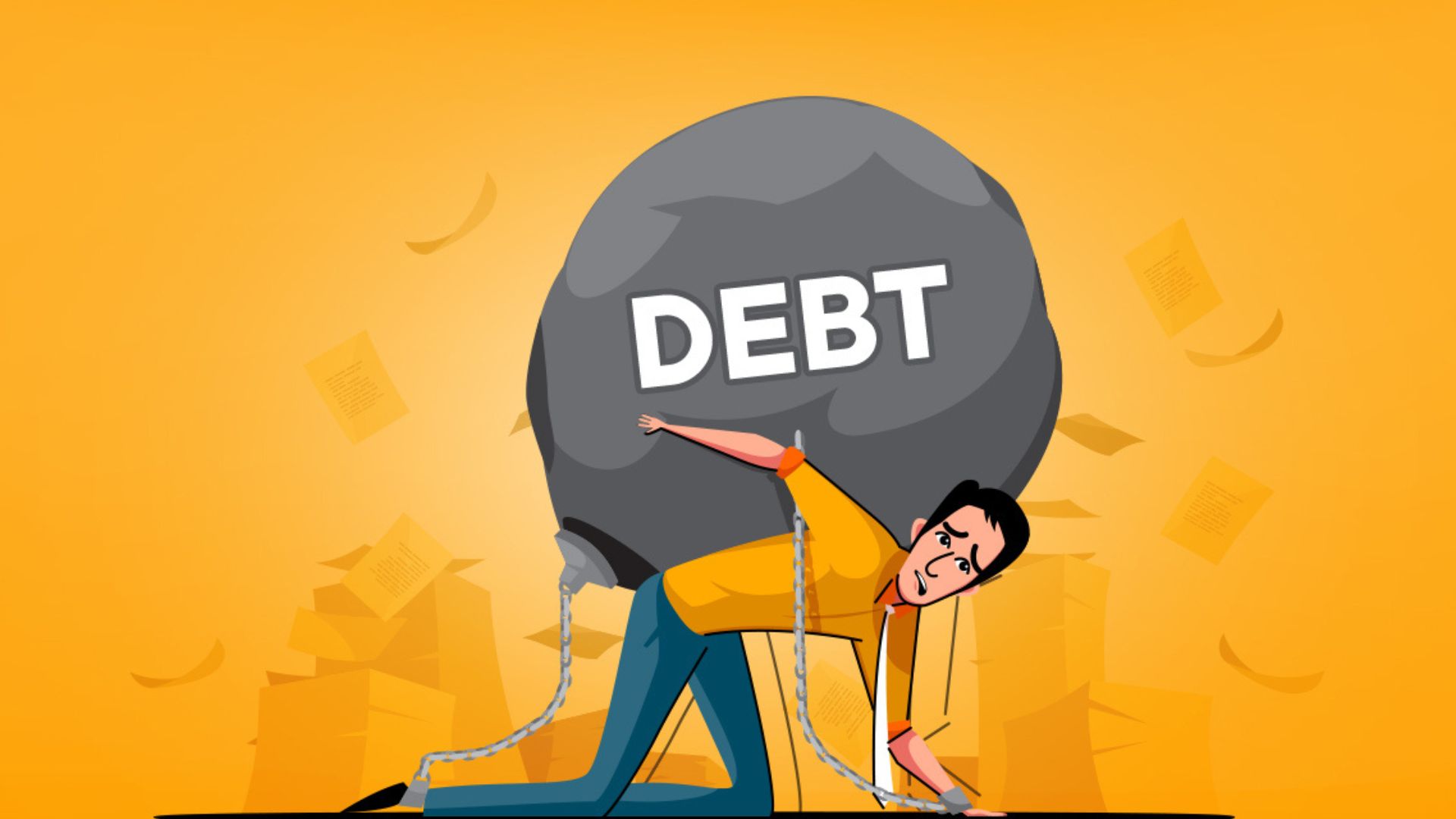
People often want to go the extra mile when they give gifts to people they care about during the holidays. But the prices of things, like gifts, are going up, which can cause many people to spend more than they mean to or, even worse, start the new year with less debt to handle.
The holiday season is still going on, which is good news because there are still ways to enjoy the season without spending too much money. Planning and being careful with your spending can help you get through the holidays without getting stressed out about money.
Instead of starting the new year with regret and unpaid bills, a well-planned approach can help you enjoy the festivities without financial strain. This guide provides practical strategies to budget wisely, control holiday spending, and prevent debt, ensuring a stress-free and financially secure holiday season.
Importance Of Avoiding Debt During The Holidays

It is impossible to overestimate the importance of staying debt-free over the holidays since it has a direct influence on long-term stability and financial well-being.
People are sometimes tempted to overspend during the holidays, which can result in a debt cycle that lasts long after the decorations are taken down.
Avoiding holiday debt is primarily about maintaining financial independence. Repayment obligations might last far into the new year, making it difficult to meet basic needs or achieve personal objectives.
By exercising financial restraint throughout the holidays, you can guarantee that funds will be available for pressing needs and unforeseen crises.
Moreover, avoiding clear of holiday debt boosts mental and emotional well-being. Stress-related to money can cloud what ought to be a happy occasion, harming relationships and mental health. People who prioritize a debt-free celebration are able to fully enjoy the festivities without having to worry about money.
Avoiding holiday debt also means investing in your future financial objectives. Unnecessary debt eats away at savings and constricts possibilities for new ventures.
People may start the new year with a clean financial slate and set themselves up for better success and financial stability in the months ahead by adopting a disciplined attitude to holiday spending.
46 Ways To Avoid Overspending And Debt In The Holiday Season
A well-planned holiday budget ensures you enjoy the season without financial stress. Set realistic spending limits to avoid overspending and post-holiday debt.
1. Utilize Digital Tools And Spreadsheets
- Use budgeting apps or spreadsheets to track income and holiday expenses.
- Enable budget alerts and transaction monitoring through banking apps for real-time adjustments.
2. Comprehensive Spending Categorization
Break your holiday budget into clear categories:
- Gifts(family, friends, coworkers, teachers)
- Travel(tickets, gas, lodging)
- Food(holiday meals, dining out, groceries)
- Entertainment(tickets, events, outings)
- Decorations(lights, wrapping paper, festive items)
- Charity(donations, fundraisers, gifting trees)
3. Cash-Based Spending And Debt Avoidance
- Spend only what you have in cash or your bank account-no credit cards, loans, or "Buy Now, Pay Later" schemes.
- This approach prevents post-holiday debt stress and helps maintain financial peace of mind.
4. Realistic Spending Limits And Communication
- Set clear spending caps for each category based on financial capacity and past holiday expenses.
- Discuss budget limits with family to manage expectations-many are also trying to stay within a budget.
5. Apply The 50/30/20 Budgeting Method
Structure your budget using:
- 50% for essentials (rent, utilities, groceries)
- 30% for discretionary spending (including holiday expenses)
- 20% for savings and debt repayment
6. Strategic Budget Reworking
- Reallocate funds by cutting temporary non-essentials-pause subscriptions, reduce dining out, or DIY gifts.
- Redirect “found money” into your holiday budget without affecting regular financial goals.
7. Detailed Shopping List And Adherence
- Make a budgeted list with specific gifts and estimated costs.
- Stick to the list to avoid impulse purchases and overspending.
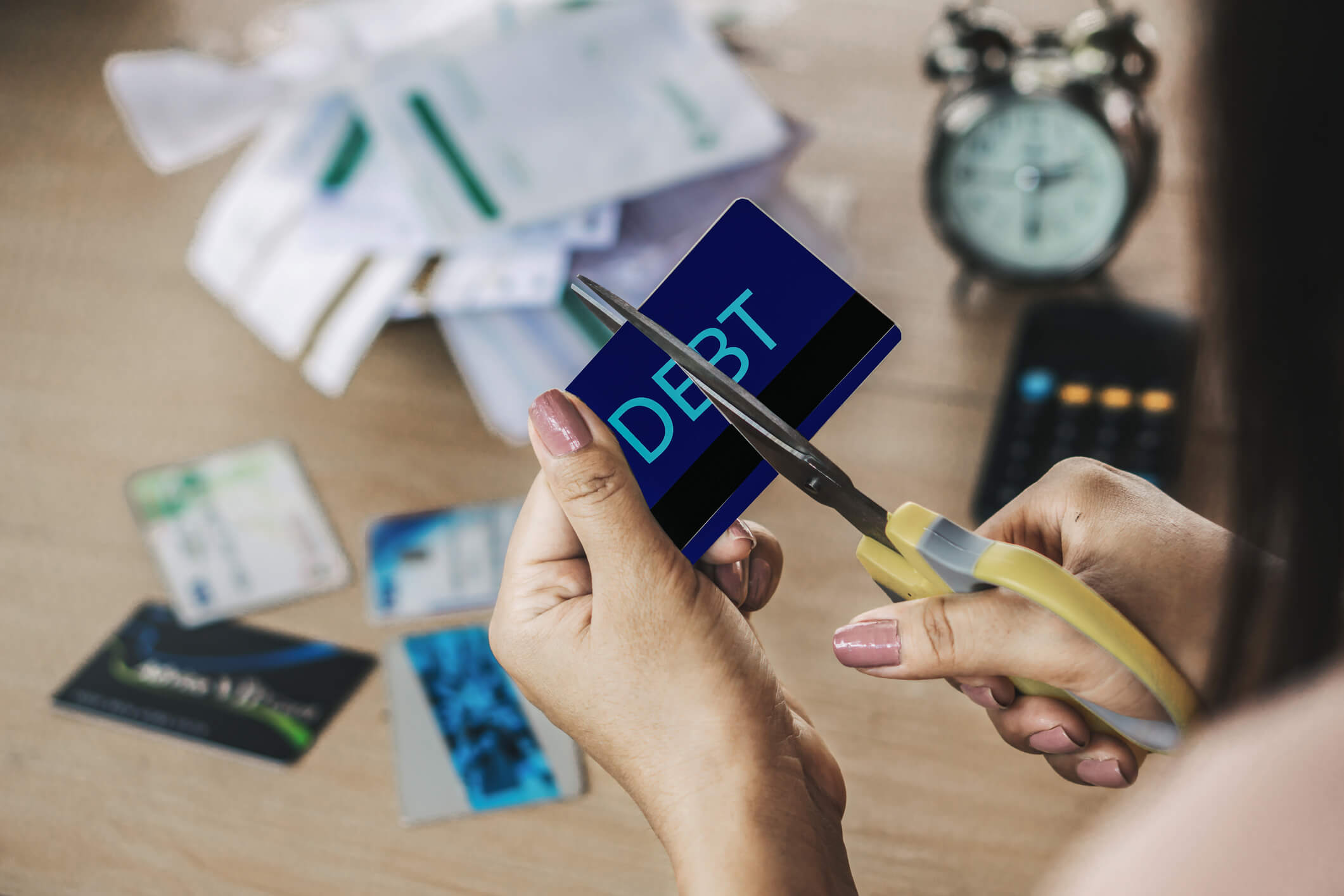
Understanding what drives your spending habits can help you make smarter financial decisions. Identify emotional triggers and adopt strategies to stay in control this holiday season.
8. Identify Emotional Spending Triggers
Pinpoint emotions that drive impulsive spending:
- Stress- Shopping as a coping mechanism.
- FOMO (Fear of Missing Out)- Pressure to match social norms.
- Nostalgia- Buying to recreate past holiday memories.
- Worry- Purchasing unnecessary items "just in case." Practicing mindfulness or journaling can help recognize and manage these triggers.
9. Replace Shopping With Alternative Activities
Redirect impulsive shopping urges by engaging in:
- Physical activity(walk, workout, yoga).
- Journaling(track emotions and spending habits).
- Socializing(connect with loved ones in non-shopping settings).
- Hobbies(reading, crafting, cooking).
10. Minimize Temptation
Reduce exposure to marketing that fuels unnecessary spending:
- Unsubscribe from promotional emails.
- Delete shopping apps from your phone.
- Enforce a waiting period before purchases-after reflection, you may not want the item.
11. Implement A Waiting Period
- Set a 24-48 hour delay before buying non-essentials.
- This pause helps assess whether a purchase is a genuine need or an emotional impulse.
12. Set A Self-Imposed Spending Freeze
- If you feel particularly prone to impulsive spending, commit to a temporary "no-spend" period on non-essentials.
- This reinforces financial discipline and curbs unnecessary expenses.

Building a holiday savings fund in advance reduces financial stress and prevents last-minute debt. Start saving early to enjoy the season without worrying about overspending.
13. Automate Savings Transfers
- Schedule automatic transfers to a dedicated holiday savings fund on a weekly, bi-weekly, or monthly basis.
- This ensures consistent contributions without requiring manual effort.
14. Open A Separate Holiday Savings Account
- A separate account for holiday expenses prevents accidental overspending from your main account.
- It also provides a clear view of your holiday budget progress.
15. Develop Consistent Savings Habits
- Small, regular savings can accumulate into a significant holiday fund over time.
- Example:Save spare change in a jar or round up transactions into savings.
16. Utilize A High-Yield Savings Account
- A high-yield savings account helps your money grow faster with higher interest rates.
- Consider options with no minimum balance or monthly fees for better flexibility.
17. Make A Savings Pact
- Partner with family or friends to create a shared savings challenge.
- Accountability and shared goals increase motivation and consistency.

Meaningful gifts don’t have to be expensive. Prioritizing thoughtful and budget-friendly presents ensures you spread holiday joy without straining your finances.
18. Focus On Meaningful Gifts
- Shift the focus from price tags to sentimental value.
- Consider gifts that align with the recipient’s needs, interests, or hobbies rather than trendy, expensive items.
19. Create Personalized Gifts
DIY gifts add a personal touch while saving money:
- Handmade crafts (knitted scarves, paintings).
- Heartfelt handwritten letters or personalized poems.
- Homemade treats (baked goods, preserved foods).
A well-thought-out gift is often more cherished than an expensive one.
20. Explore Thrifting And Secondhand Finds
Find unique, budget-friendly gifts at:
- Thrift stores and antique shops.
- Online marketplaces (Facebook Marketplace, eBay, Vinted).
Buying secondhand is not only affordable but also eco-friendly.
21. Establish Gift-Giving Boundaries
- Communicate spending limits with family and friends.
- Consider Secret Santa instead of buying gifts for everyone.
- A collective savings challenge (e.g., a set spending cap) can ease financial pressure for everyone.
22. Gift Experiences And Quality Time
Instead of material gifts, offer experiences:
- Event tickets (concerts, sports games, theater).
- Memberships (museums, streaming services, fitness classes).
- Planned activities (hiking, game nights, cooking together).
Experiences often provide longer-lasting joy than physical gifts.
23. Innovative Gift Ideas
Consider affordable yet thoughtful alternatives:
- Subscription services (books, meal kits, streaming).
- Digital gifts (e-books, online courses, gift cards).
Example:A monthly book subscription can bring joy year-round for as little as $10.
24. Regifting Thoughtfully
- Regift unused, high-quality items that would be appreciated by others.
- Ensure the gift is relevant to the recipient and presented thoughtfully.

Keeping a close eye on your holiday expenses helps prevent overspending and ensures you stay within budget. Tracking every purchase keeps your finances in control and avoids post-holiday debt.
25. Utilize Budgeting Tools
- Use budgeting apps or spreadsheets to track every holiday expense.
- These tools provide a real-time overview of spending patterns and help maintain financial discipline.
26. Regular Spending Reviews
- Schedule weekly or bi-weekly check-ins on your holiday budget.
- Identify areas where you may be overspending and adjust accordingly.
27. Implement Account Alerts
- Large transactions (to prevent impulse spending).
- Low balances (to avoid overdrafts).
- Unusual spending activity (for fraud protection).
28. Visual Tracking Methods
- Use cash envelopes to allocate funds for different spending categories.
- Create digital folders for receipts and track online purchases.
- Keep all physical receipts in one envelope and update the total as you shop.

Using cash or debit for holiday purchases helps you stay within budget and avoid high-interest debt. When using credit, do so strategically to maximize rewards without overspending.
29. Minimize Credit Card Usage
- Avoid relying on credit cards for holiday gifts unless absolutely necessary.
- Recognize the risk of high-interest debt accumulation.
- Using cash or debit encourages mindful spending since physically handing over money feels more tangible.
30. Controlled Spending With Prepaid Or Debit Cards
Use prepaid or debit cards to set a strict spending limit. This method prevents overspending and ensures you stay within budget.
31. Strategic Use Of Credit Rewards And 0% APR Offers
- Utilize cashback and rewards programs for holiday purchases-only if you can pay off the balance quickly.
- Consider 0% APR credit card offers, but read the fine print to avoid unexpected fees.
32. Maximize Savings With Coupons And Promo Codes
- Be a coupon collectorand actively seek out discounts.
- Use promo codes and cashback apps to reduce holiday expenses.
33. Early Shopping And Deal Hunting
- Start holiday shopping early to compare prices and avoid last-minute splurging.
- Take advantage of pre-holiday sales and clearance events.
34. Prioritize Giving Over Personal Spending
- Limit self-gifting during the holiday season.
- Focus on thoughtful giving rather than impulse purchases for yourself.
35. Price Matching And Adjustments
Many stores offer price matching and post-purchase price adjustments-use them to get the best deal.
36. Caution With Buy Now, Pay Later (BNPL) Services
- Be cautious with BNPL optionsto avoid hidden fees and high-interest charges.
- Read the terms carefully to prevent unintentional debt accumulation.

Take advantage of holiday deals and free events to celebrate without overspending. Smart planning helps you enjoy the season while keeping your budget intact.
37. Explore Free Or Low-Cost Events
Attend free community events, such as:
- Holiday festivals and concerts.
- Christmas light displays.
- Local parades and charity events.
38. Sign Up For Store Newsletters
- Get early access to sales by subscribing to retailer newsletters.
- This helps you plan purchases strategically and grab the best deals.
39. Maximize Savings With Coupons And Promo Codes
- Hunt for promo codes, cashback offers, and store discounts before shopping.
- Combine store promotions with coupons for extra savings.
40. Strategic Big-Ticket Purchases
- Plan big-ticket purchases around Black Friday, Cyber Monday, or post-holiday sales.
- Research price trends and buy when discounts are highest.
41. Host Affordable Home-Based Celebrations
Instead of expensive outings, host budget-friendly gatherings, such as:
- Potluck dinners.
- Themed game nights.
- Movie marathons with homemade snacks.
Home celebrations create intimate and memorable experiences without financial strain.

Thoughtful purchasing ensures you stay within budget and avoid post-holiday debt.
42. Establish An "Impulse Fund"
Set aside a small, predetermined amount for unexpected but necessary purchases. This allows flexibility without derailing your budget.
43. Implement A "Pause And Reflect" Technique
- Before buying, ask: "Do I truly need this, or is it an emotional purchase?"
- A short pause can prevent impulse spending and help with better financial decisions.
44. Adhere To Your Shopping List
Stick to your pre-planned shopping list to avoid unnecessary purchases. Even if a tempting deal arises, resist straying from your list.
45. Ignore FOMO Marketing Tactics
- Recognize that "limited-time offers" and "flash sales" create urgency to pressure you into buying.
- Remind yourself: most deals return, and you don’t need to buy everything now.
46. Create A Wish List And Delay Purchases
Instead of impulse buying, add items to a wish list and wait a few days. This delay allows you to reevaluate if it's a genuine need or just a passing desire.

How To Pay Off Debt From Holidays?
There are a few tried-and-true, fundamental strategies for handling Christmas debt. To take on debts with confidence, try one or more of these strategies.
Personal Loan
Paying off debt from Christmas shopping might be simpler and less expensive with a low-interest personal loan. One option is to combine high-interest loans from several sources into a single loan with a reduced interest rate.
This saves you money over time by enabling you to budget and organize your debt. You will know just how long it will take to pay it off and will only have to make one set monthly payment.
Holiday Bonuses
Did you receive a raise at work this year? A lot of holiday bonuses arrive at an enticing moment and are promptly spent on something you "wanted," such as a brand-new big-screen television. After that, you start to spend money on holidays as usual, which leads to credit card debt.
Saving your bonus money till after the holidays can be a wiser move. First, buy gifts for other people, and then use the remaining funds for yourself. And if you get a tax rebate or an unexpected windfall, use it to pay off debt or preserve it for next year.
Credit Card Balance Transfer
A credit card with a 0% balance transfer might be beneficial if you have taken on more debt than you can rapidly pay off. With these cards, you may transfer debt to them and receive interest-free repayment terms of up to eighteen months (sometimes longer, sometimes shorter).
For customers who are trapped with significant debt on a credit card with a high-interest rate, that may be of great assistance. But keep in mind that there is often an upfront fee of 3% to 5% of the transferred amount with these cards. Furthermore, if there is a balance on the card beyond the grace period, interest rates may increase significantly.
Request A Credit Card Rate Reduction
Make a call to your credit card provider and request a reduced interest rate. They can only refuse, which is the one drawback to this tactic. It's worth the work regardless of your credit score, although having high credit may increase your chances. If you fail the first time, give it a few weeks off before trying again.
The Debt Snowball
Pay off your lowest debt first, then go up in size until you've paid off your most considerable. You'll accumulate extra money as you settle the lesser bills, which you may use to settle the more significant obligations.
Debt Reduction
You may also look for outside assistance in the shape of a debt reduction firm, though this will come at a cost. These businesses assist clients in weighing their choices, which include debt negotiation, DMPs, and consolidation.
Frequently Asked Questions
What's The Significance Of Starting Early With Holiday Savings?
Starting early allows you to accumulate funds gradually, reducing the need for last-minute, high-interest borrowing.
How Can Comparison Shopping Help In Avoiding Debt?
Comparison shopping ensures you get the best deals, maximizing your purchasing power and minimizing expenses.
Why Is It Recommended To Set Up A Dedicated Holiday Savings Account?
A dedicated account separates holiday funds from regular expenses, making it easier to track and manage spending.
Final Thoughts
Talking about how to avoid debt this holiday season? Navigating the holiday season without accumulating debt is not only achievable but crucial for long-term financial well-being. By diligently assessing your financial situation, planning, and adopting innovative shopping strategies, you can enjoy the festivities without the looming shadow of post-holiday debt.
Embracing open communication, alternative celebrations, and maintaining a focus on experiences over material gifts further contribute to a joyous and financially responsible celebration.
Remember, the true essence of the holidays lies in the moments shared with loved ones, and a debt-free season ensures a brighter start to the new year, fostering peace of mind and continued financial success.
You Might Also Like: What Is A Debt-to-Income Ratio (DTI) Calculator?
Latest Articles
Popular Articles