Make Money Selling Photos Online: Release Your Inner Shutterbug
Ready to turn your photos into cash? Discover the 15 best websites to make money selling photos online! Beginner-friendly tips & expert advice inside. Start earning now!
Jul 05, 202515.2K Shares545.7K Views

That satisfying click of the shutter, the way light dances across a scene, the ability to freeze a moment in time - if photography ignites your passion, the digital landscape offers a compelling opportunity: turning your visual artistry into a source of income.
Forget dusty galleries; today, a global marketplace eagerly awaits your unique perspective. This guide goes beyond the basics, offering a contemporary roadmap to not just selling photos online, but building a sustainable income stream from your creative endeavors, even if you're just a beginnerselling photos online.
1. Understanding The Market: Why Your Photos Matter
The demand for diverse and authentic imagery has surged, driven by businesses, bloggers, and marketers seeking visuals that resonate with their audiences. Stock photography platforms cater to this need, offering photographers a platform to monetize their work.
Key Market Insights:
- Authenticity Sells: Images depicting real-life scenarios, emotions, and diverse subjects are in high demand.
- Global Reach: Online platforms provide access to a worldwide customer base, increasing the potential for sales.
- Passive Income Potential: Once uploaded, photos can generate income repeatedly without additional effort.
2. Finding Your Frame: Identifying Profitable Niches And Styles
While the internet brims with images, truly resonant and commercially viable photography often carves out a specific niche. Instead of aiming for broad appeal, consider what truly captivates you. Exploring these passions can lead to underserved markets. Consider current trends:
- Authentic Lifestyle:Genuine, unposed images of everyday life and diverse individuals.
- Sustainability and Eco-Consciousness:Visuals of environmental awareness and natural beauty.
- Wellness and Mindfulness:Images evoking calm, health, and well-being.
- Specific Demographics:Culturally relevant imagery and visuals representing particular communities.
By focusing your lens, you develop a distinctive style and cater to a targeted audience, increasing your chances of standing out. Consistency in your theme or style builds recognition.
3. Best Types Of Photos That Sell Online
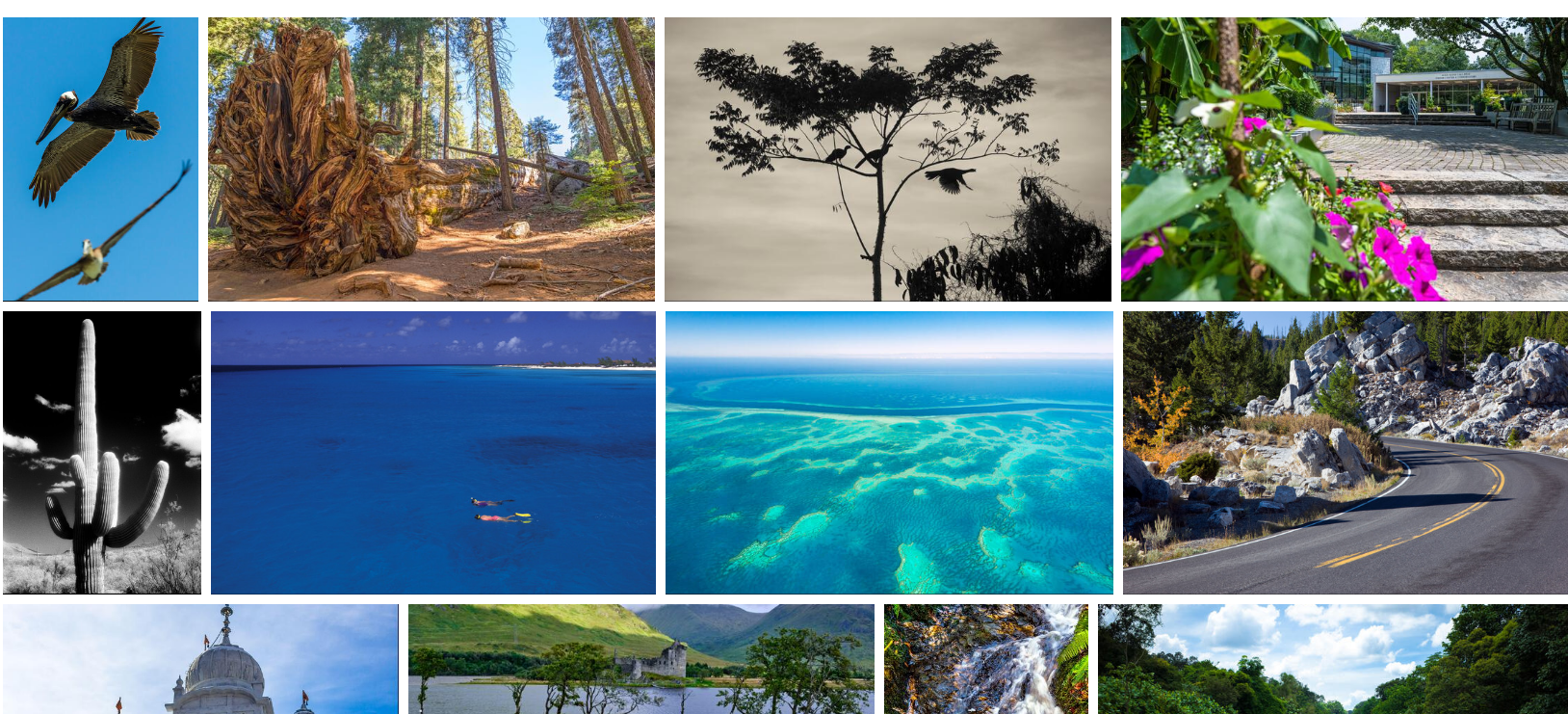
Stock platforms reveal these consistent best-sellers:
- Lifestyle & People:Real, candid human moments (diverse age, ethnicity, profession)
- Business & Technology:Teamwork, laptops, startup environments
- Health & Wellness:Fitness, self-care, food, nature
- Travel & Nature:Landscapes, architecture, sustainable tourism
- Seasonal Themes:Holidays, school, weddings, events
- Sustainability & Inclusion:Eco themes, DEI representation
Photos should tell a story, feel authentic, and be well-lit-even if taken with a smartphone.
4. 15 Best Websites For Selling Photos Online: Your Digital Marketplace
The internet offers a plethora of platforms to showcase and sell your photographic work. Whether you're aiming for broad reach or a niche audience, these 15 websites provide avenues to connect with potential buyers and monetize your talent:
1. Alamy
Alamystands out with its diverse stock photo collection, including millions of images, vectors, videos, and even 360-degree panoramic images. They offer contributors a commission ranging from 17% to 50% of sales, depending on the image's popularity and the license type.
Payments are made monthly, and Alamy supports multiple currencies. Notably, they also have an iOS app called Stockimo, allowing you to sell photos directly from your phone. There are no long-term contracts, offering flexibility for contributors.
2. 500px
500px combines stock photo licensing with a strong sense of community for photographers. Hosting millions of photographers, their "Pulse" algorithm helps surface new talent and photographs to potential clients, offering opportunities even for less experienced photographers who meet their quality standards.
Beyond selling, 500px allows you to follow other photographers, receive feedback, participate in competitions, and list photos in their marketplace. Paying members can earn up to 100% royalties for exclusive photos.
3. Shutterstock
Shutterstock is one of the most widely recognized stock photography websites, having paid out over $1 billion to its community over the past 15 years. Considered a micro-stock site, photos here are generally more affordable and often non-exclusive.
Success on Shutterstock often comes from contributing a large volume of images. Payouts are based on your earnings over time, ranging from 15% to 40%. They also have an affiliate program where you can earn extra by referring new photographers or customers.
4. Getty Images
Getty Images caters to brands and publishers seeking high-quality and often exclusive images. Their standards for contributors are stricter than many other stock photo sites, reflecting their premium reputation.
Along with their main platform, they also operate the microstock site iStock. To become a contributor, you typically need to apply with a portfolio of sample photos. Once accepted, you can earn between 15% and 45% of an image's license fee.
5. IStock
iStock is the microstock offshoot of Getty Images. A key difference is that photos on iStock can be non-exclusive, meaning you can sell the same images on other platforms.
Similar to Getty, you need to apply with sample images to become a contributor. The commission rates also range from 15% to 45%, depending on your contributor agreement.
6. Stocksy
Stocksyis known for its accessible platform and higher payouts for photographers. They offer a 50% royalty on standard licenses and a significant 75% on extended licenses. However, all photos submitted must be exclusive to the Stocksy platform.
As an artist-owned cooperative, contributors are also part owners and can have a say in the business's direction, potentially receiving profit-sharing. The minimum payout is $100, paid monthly via PayPal, Payoneer, or check.
7. Picfair
Picfair provides photographers with a unique option: creating their own photography e-commerce website. You have control over setting your prices for both digital downloads and prints, and Picfair handles the payment processing. They also manage print production, shipping, and licensing for digital images.
To utilize this service, you typically need to sign up for a Plus plan, which involves a monthly fee (e.g., $4 per month when billed annually) and allows you to host a large number of images.
8. Adobe Stock
For users already integrated into the Adobe ecosystem, Adobe Stock offers a seamless way to sell photos, videos, vectors, and illustrations. You can upload your assets directly from within Adobe Lightroom and Bridge once your editing is complete. Contributors who link their Adobe ID to Adobe Stock can earn a 33% royalty on photos and 35% on videos.
9. Envato Elements
Envato Elements operates on a subscription-based model. By joining, you can sell your photos and connect with potential clients who subscribe to the platform for various creative assets. You can sell directly on their app or upload photos to your own site on their brand's domain. Contributors earn a share of the total net subscription revenue, ranging from 25% to 50%.
10. Unsplash
Unsplash, owned by Getty Images (like the free Unsplash), has a different payment model. Instead of paying based on individual photo sales, Unsplash+ partners with contributors through assignments or briefs.
Photographers respond to these requests, and if their images are accepted, they get paid per image. Rates typically range from $5 to $30 per accepted photo. You need to apply and be accepted into the Unsplash+ program to participate.
11. Dreamstime
Dreamstime is a microstock platform with a vast library of over 250 million royalty-free media, including photos, vectors, videos, and audio. With a large user base, it offers significant exposure for photographers.
They offer revenue sharing from 25% to 50% for non-exclusive content. Exclusive contributors can earn an additional 10% and also receive a small payment (e.g., 20¢) for each approved submission. They also have an affiliate program.
12. Snapped4U
Snapped4U caters specifically to portrait and event photographers. It allows photographers to create personalized online galleries where they can set their own prices (up to $20 per image) and sell digital files directly to their clients who attended the events or portrait sessions.
Notably, they do not accept travel, landscape, or still-life photos. There's a one-time registration fee, and Snapped4U retains a commission (10% to 12%) on sales, with payouts to photographers via PayPal.
13. Foap
Foapfocuses on connecting photographers directly with brands and individuals looking for commercial-quality images. Photographers can participate in "missions" where brands outline specific photo or video requirements and reward the winners.
Foap has paid out millions to creators through these missions. You can also sell individual photos in their marketplace, where Foap takes a 50% commission on all sales.
14. EyeEm
EyeEm combines a photo marketplace with a photographer community. They often invite photographers to contribute to "missions" centered around specific themes, offering another way to gain visibility and potential earnings.
For sales made through the EyeEm marketplace, contributors earn a 50% commission, with payments typically processed via PayPal.
15. 1Pond5
Unlike many of the other sites which primarily focus on still photography, Pond5 is a marketplace for video content, as well as music, sound effects, and other media assets. They cater to a large customer base, including major brands like the BBC and Disney.
Video artists earn a 40% royalty share, with the option to earn up to 60% if their content is exclusive to the platform. Contributors can also respond to client briefs through their Artist Portal and earn additional income through referrals.

Related Reading: 21 Real Ways To Make Real Money Online Today In <year>
5. Understanding Your Rights And Their Value
Navigating photo licensing protects your work and maximizes earnings.
- Royalty-Free (RF):One-time fee for broad usage rights. This is common for stock photos, allowing buyers to use the image multiple times without additional fees.
- Rights-Managed (RM):Fee for specific use, duration, and territory (higher prices). This offers more control over how and where your images are used.
Understand terms like exclusive, non-exclusive, editorial (for news and informational purposes), commercial (for advertising and promotion), and retail use (for physical products). Watermarking and copyright knowledge are vital for protecting your intellectual property.
6. Pricing With Purpose: Valuing Your Visual Assets
Pricing involves market research (see what similar photos sell for), understanding profit margins (consider your time and costs), and varying prices by usage rights and exclusivity. Offering discounts or product bundles (e.g., themed collections) can incentivize purchases.
Pricing your photography thoughtfully is crucial for profitability. It involves:
- Market Research:Analyze what similar photos are selling for on various platforms.
- Understanding Profit Margins:Factor in your time, equipment costs, editing software subscriptions, and marketing expenses.
- Usage Rights:Price exclusive licenses significantly higher than non-exclusive ones. Commercial use often commands a premium over editorial use.
- Demand and Trend:Photos in high-demand niches or those capturing current trends may warrant higher prices.
- Your Expertise and Brand:As you build a reputation, you can gradually increase your prices.
Offering discounts or product bundles (e.g., themed collections) can incentivize purchases and increase overall sales volume.
7. Beyond The Snapshot: Cultivating Marketable Images
Commercial success considers marketability alongside artistry. Focus on:
- Technical Quality:Ensure your images are free of noise, artifacts, and are properly sized for online use.
- Technical Excellence:Sharp focus, proper exposure, and thoughtful composition are fundamental.
- Relevance and Timeliness:Images that align with current trends, events, and seasonal themes often perform well.
- Versatility:Photos with ample negative space or that can be easily cropped for different uses are highly valued by buyers.
- Authenticity:In an era saturated with overly polished stock photos, genuine and relatable imagery stands out.
- Storytelling:Images that evoke emotion or tell a story tend to be more engaging and marketable.
8. Legal Requirements And Logistics For Selling Photos Online
Understand copyright, obtain necessary model releases(for recognizable people) and property releases(for private property), set up secure payment processing (consider PayPal, Stripe, etc.), and be aware of your tax obligations as a freelance photographer.
- Copyright:As the creator, you own the copyright to your images. Understand your rights and how to protect them.
- Model Releases:If your photos feature recognizable people, obtain signed model releases granting you commercial usage rights. Consider linking to a sample model release form.
- Property Releases:Similarly, photos of private property may require a property release.
- Payment Processing:Set up secure and reliable payment gateways (e.g., PayPal, Stripe) for direct sales. Understand the payout methods and thresholds for stock platforms.
- Taxes:Be aware of your tax obligations as a freelance photographer and ensure you comply with local regulations. Consider a general disclaimer about seeking professional tax advice.

9. How To Market Your Photography And Attract The Right Buyers
You don’t just need a portfolio-you need a presence. Marketing your photography effectively is how your work gets seen, shared, and sold. Here's how to turn visibility into conversions.
1. Curate A Niche Portfolio That Sells
- Focus on a consistent style or subject (e.g., urban travel, minimal food photography, mindfulness themes).
- Use platforms like Adobe Portfolio, Format, or your own website with clean UX and fast loading.
- Highlight bestsellers or popular themes on the homepage.
2. Use Keywords Buyers Actually Search For
- Think like your ideal customer: What phrases would they type to find your photo?
- Use keyword tools like Google Trends, Etsy autocomplete, or Ubersuggest to find relevant terms.
- Add descriptive, keyword-rich titles (e.g., “Black woman smiling while working remotely in Bali”).
- Naturally integrate terms into photo descriptions, alt text, and tags.
3. Grow Through Social Media That Converts
- Instagram & Pinterest:Focus on lifestyle imagery and visual storytelling. Add SEO-optimized captions and branded hashtags.
- Post consistently and use Instagram Stories, carousels, and Pinterest idea pins to increase engagement.
- Include direct links to your store, photo licensing platform, or print shop.
4. Share The Process With A Blog Or YouTube Channel
- Create educational or storytelling content: behind-the-scenes shoots, editing tips, niche-specific insights.
- Link every post or video back to a relevant photo collection or product.
- This builds trust, boosts SEO, and attracts niche audiences organically.
5. Build And Nurture An Email List
- Offer free downloads (e.g., mobile wallpapers or Lightroom presets) in exchange for sign-ups.
- Segment your list by interest (e.g., travel, portrait, food) and send targeted offers.
- Promote holiday bundles, print discounts, or limited-time licensing deals directly to subscribers.
6. Collaborate For Greater Exposure
- Partner with complementary creators (e.g., bloggers, writers, product brands) to co-create content or run giveaways.
- Submit to online magazines or featured galleries in your niche.
- Join photography communities or marketplaces that highlight members (e.g., Creative Market, EyeEm).
10. Can You Really Make Money Selling Photos Of Yourself Online?
Yes, you can potentially sell pictures of yourself online for moneyas a model on stock photo sites (requiring model releases) or on niche content platforms. However, these avenues require careful consideration of privacy, safety, and the platform's terms.
For those selling photos online for beginners, focusing on your photographic skills and selling a diverse portfolio through reputable stock agencies or your own website is generally a more accessible and recommended starting point.
Also Check Out: 13 Proven Tips On How To Make Money With Fiverr.com In 2025
FAQs About Making Money Selling Photos Online
Where Can I Sell Pics Of Myself For Money?
As discussed, stock photo sites (as a model with a release) or specific niche content platforms (research carefully for safety and terms).
Can You Really Make Money Selling Photos Online?
Yes, absolutely. Many photographers earn income through various online avenues. Income varies based on skills, quality, marketability, and effort.
Can I Sell Photos Taken On My Phone?
Yes, platforms like Alamy (Stockimo) and Foap accept mobile photography. Focus on composition, lighting, and editing.
How Does Shutterstock Pay You?
Based on earnings over time (15% to 40% royalty), typically monthly via methods like PayPal once a minimum threshold is met.
Do I Need A Professional Camera To Sell Photos?
No. Many platforms (like Foap, EyeEm, and Etsy) accept high-quality smartphone photos—if they’re well-composed and sharp.
Which Site Pays The Most For Photography?
Alamy offers up to 40%per sale. Adobe Stock has the highest consistent rate (33%) for non-exclusive content.
Can I Sell The Same Photo On Multiple Sites?
Yes, unless you sign an exclusive agreement. Most beginners benefit from non-exclusive licensingto maximize visibility.
Do I Need A Model Release To Sell Photos Of People?
Yes—if the person is identifiableand the photo is used for commercial purposes. Editorial-only platforms may not require it.
A Quick Recap
Turning your photographic passion into profit online is achievable for beginners and experienced photographers alike. It requires understanding the marketplace, licensing, and marketing.
Choose platforms wisely (considering options like Alamy, Shutterstock, or building your own Shopify store), consistently create high-quality images (even with your phone), and embrace a long-term perspective.
Your unique visual storytelling has the potential to captivate and earn. If you found this guide helpful, please consider sharing it with other aspiring photographers!
Jump to
1. Understanding The Market: Why Your Photos Matter
2. Finding Your Frame: Identifying Profitable Niches And Styles
3. Best Types Of Photos That Sell Online
4. 15 Best Websites For Selling Photos Online: Your Digital Marketplace
5. Understanding Your Rights And Their Value
6. Pricing With Purpose: Valuing Your Visual Assets
7. Beyond The Snapshot: Cultivating Marketable Images
8. Legal Requirements And Logistics For Selling Photos Online
9. How To Market Your Photography And Attract The Right Buyers
10. Can You Really Make Money Selling Photos Of Yourself Online?
FAQs About Making Money Selling Photos Online
A Quick Recap
Latest Articles
Popular Articles