The Evolution Of China's Taxation System - From Ancient To Modern Framework
Learn about the evolution of China's taxation system, from ancient agricultural taxes to modern VAT and corporate income tax reforms. Understand regional variations and key tax policies shaping the economy.
Apr 04, 20256.8K Shares167.2K Views

China's taxation system has undergone significant transformations, evolving from ancient agrarian levies to a complex modern framework that varies across its vast regions. This article delves into the historical progression of China's tax system, examines regional tax variations, and outlines a timeline of pivotal tax reforms.
Over time, these changes have reflected shifts in the political, economic, and social landscape of the country, with each period contributing to the creation of the current tax system. Understanding this evolution offers key insights into how China manages its vast economy and how tax policies continue to shape its future growth.
Historical Evolution Of China's Tax System
Ancient Taxation Practices
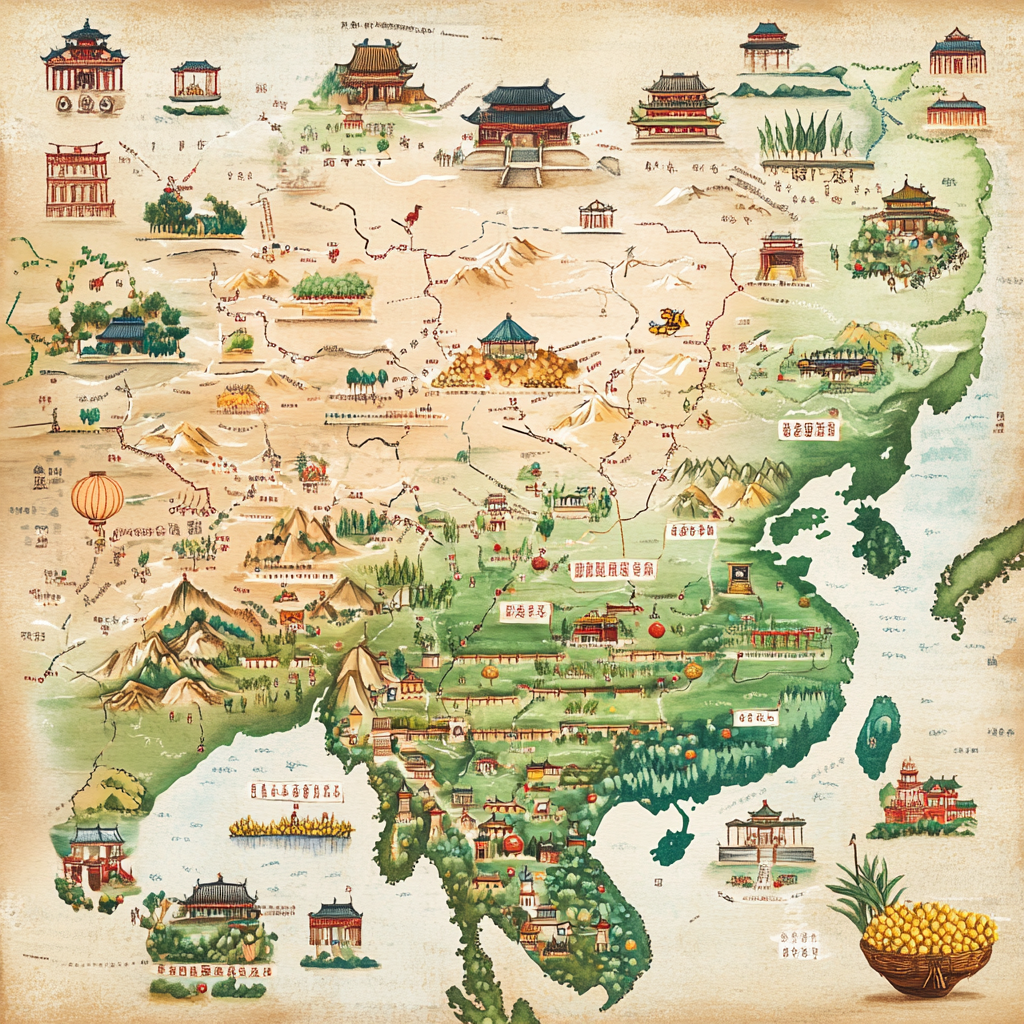
In ancient China, agriculture was the cornerstone of the economy, and taxation primarily targeted agricultural output. During the pre-Qin period (before 221 BC) through to the Han Dynasty (206 BC - 220 AD), the primary tax was a land tax, often referred to as the "land tax" or "grain tax."
A standard agricultural tax rate was set at one-tenth of the yield per mu (a unit of area), considered reasonable for that era. This tax was essential to fund the state and its military operations, as well as infrastructure development.
Different dynasties adjusted the tax rates and methods depending on political needs and economic conditions. For instance, during the Tang Dynasty (618–907 AD), the government introduced a land distribution system known as the "Equal Field System," which aimed to distribute land more equally and reduce the burden of tax on individual farmers.
Over time, however, tax rates became less consistent, reflecting the political instability that frequently occurred during different dynastic changes. The use of forced labor and corvée taxes became more common as China’s economy developed.
Imperial Era Reforms
The Qing Dynasty (1644-1912) marked a significant period of tax reforms in Chinese history. In the early years, taxes were mainly focused on agricultural production, which continued to dominate the country’s economy. However, by the 18th century, as the empire expanded, the need for more efficient tax collection grew.
During this period, the Qing government tried to streamline tax collection through reforms aimed at controlling corruption and inefficiency. These early reforms included the introduction of standardized tax rates, but resistance from local officials and growing unrest made the reforms difficult to implement.
The late Qing era witnessed the introduction of new taxes to diversify the revenue base, including a land tax based on assessed land value and the introduction of customs duties. However, these changes were slow, and the overall tax burden remained relatively light in comparison to Western countries of the time. This lack of fiscal modernization contributed to the dynasty’s inability to fund its military and administrative structures effectively, further weakening the state and exacerbating internal strife.
Early 20th Century Developments
Following the fall of the Qing Dynasty in 1912, China entered a period of political upheaval that would see the establishment of the Republic of China. The Republican government sought to modernize the country's taxation system in line with its new political ideologies. By the 1930s, a more structured taxation system began to emerge. A key development was the introduction of a national income tax, which marked a significant shift from the agricultural-based taxation system of the past.
During the communist era, particularly in the 1950s and early 1960s, China implemented a series of tax reforms to support the state’s centralized control over the economy. Between 1950 and 1957, a compound tax system featuring multiple taxes and collection methods was established. This system was intended to stabilize the government’s finances during a period of political and economic transition, reflecting the dramatic shifts in governance, industry, and societal organization.
Modern Taxation System In China
Today, China’s tax system has evolved into a multifaceted and sophisticated structure, comprising numerous forms of taxation that span various sectors. These taxes fund the government’s extensive infrastructure projects, social services, and the nation’s military budget, among other expenses. The modern system is marked by the use of technological advances such as electronic tax filing and modern VAT systems to ensure efficient collection.
Value-Added Tax (VAT)
The Value-Added Tax (VAT) was introduced in 1984 and was expanded in 1994 to become a cornerstone of China's tax system. VAT is applied universally to the production, wholesale, retail, and importation of goods and services. The standard VAT rate is 17%, though it is reduced to 13% for certain goods, such as food and medicine. VAT is an important source of government revenue, accounting for a significant portion of total tax receipts.
The expansion of VAT was part of China's effort to modernize its tax system and increase revenue following its transition to a more market-oriented economy. The tax also helps streamline the collection of taxes at various stages of production and distribution, making the process more efficient and reducing the risk of tax evasion.
Corporate Income Tax (CIT)
The Corporate Income Tax (CIT) is another significant component of China’s tax system. The CIT was unified on January 1, 2008, with a flat rate of 25% applied to both domestic and foreign enterprises. This was a major reform aimed at leveling the playing field between local and foreign companies operating in China.
For high-tech and innovative businesses, the government offers a reduced tax rate of 15%, and for small enterprises with low profits, the tax rate can be even lower. Special tax incentives are also available for companies in specific industries, such as environmental protection and energy efficiency. These reforms reflect China’s desire to encourage innovation, attract foreign investment, and foster economic development.
Individual Income Tax (IIT)
Reintroduced in 1980, the Individual Income Tax (IIT) is a tax on personal income, including salaries, wages, and business profits. The system has undergone numerous reforms to accommodate the changing economic conditions and ensure fair taxation of individuals. A significant reform occurred in August 2018, when amendments allowed for itemized deductions, including education and medical expenses. At the same time, the taxable income threshold was raised, reducing the tax burden on low-income families.
The reform also implemented a progressive tax rate structure, with higher earners facing higher rates. This shift aims to redistribute wealth more effectively and alleviate poverty by ensuring that those with higher incomes contribute a larger share to the state’s coffers.
Consumption Tax
The Consumption Tax, introduced in 1994 and expanded in 2006, is levied on specific goods, including tobacco, alcohol, cosmetics, and luxury items such as yachts and golf equipment. This tax is primarily collected at the production and importation stages, making it an indirect tax that affects the final price of certain consumer goods. The consumption tax serves not only as a revenue-generating tool but also as a way for the government to discourage the consumption of harmful products and luxury items.
Resource Tax
Established in 1984 and reformed in 1994 and 2011, the Resource Tax applies to the exploitation of natural resources, including minerals, water, and oil. The reform of 2011 shifted the tax base from the volume of resources extracted to the sales value, reflecting the economic value of the resources rather than their physical quantity. This change was made to address environmental concerns and encourage more sustainable exploitation of China’s natural resources.
Environmental Protection Tax
Effective from January 1, 2018, the Environmental Protection Tax was implemented as part of China’s efforts to address environmental challenges and reduce pollutant emissions. This tax targets businesses that discharge harmful pollutants, including solid waste, atmospheric pollutants, water pollutants, and noise. It is part of a broader initiative to improve environmental standards and promote sustainability in China’s industrial sectors.

Regional Variations In Taxation
China’s vast geography and economic diversity have led to regional disparities in taxation, with various areas offering specific tax incentives to promote development and address local economic needs.
Western Regions
To stimulate economic growth in less developed western provinces, the Chinese government has introduced various tax incentives. These include reduced corporate income tax rates for enterprises located in the western regions, as well as preferential policies aimed at encouraging investment in infrastructure and environmental projects. These measures are designed to narrow the economic gap between the more developed eastern coastal regions and the interior provinces.
Hainan Free Trade Port (FTP)
Hainan, an island province, is being transformed into a free trade port under the government's broader strategy to increase global trade and attract foreign investment. Tax incentives in Hainan include reduced corporate income tax rates for qualifying businesses and individuals, as well as exemptions on certain types of goods and services. The goal is to establish Hainan as a high-level international trade hub and foster economic integration between China and the rest of the world.
Greater Bay Area (GBA)
The Greater Bay Area (GBA) encompasses Hong Kong, Macau, and nine cities in Guangdong province, making it one of the most economically dynamic regions in China. The GBA offers various tax incentives to attract foreign talent and business investments, including tax breaks for high-tech firms and research institutions. These incentives aim to foster innovation, technology, and economic integration, helping to strengthen China’s competitive edge on the global stage.
Economic Development Zones
Economic and technological development zones across China provide tax benefits to encourage foreign investment and advanced industries. These zones offer tax exemptions, reduced corporate income tax rates, and simplified regulatory procedures. These benefits are particularly attractive to multinational corporations and foreign enterprises seeking to enter the Chinese market or expand their operations.
Timeline Of Key Tax Reforms
- 1980: Reintroduction of Individual Income Tax.
- 1984: Announcement of Value-Added Tax implementation.
- 1994: Comprehensive tax reform reducing the number of taxes and expanding VAT.
- 2003: Completion of Golden Tax Project Phase II, fully electronic VAT invoicing system.
- 2008: Unification of corporate income tax rates for domestic and foreign enterprises.
- 2016: Nationwide replacement of business tax with VAT.
- 2018: Amendments to Individual Income Tax allowing itemized deductions and raising taxable income thresholds.
- 2019: Reduction of VAT rates to stimulate the economy.
- 2023: Steady growth in local government fiscal revenues amid economic recovery efforts.
Conclusion
China’s taxation system reflects its dynamic economic landscape, characterized by a blend of traditional agrarian taxes and modern fiscal policies designed to address the demands of a rapidly changing economy.
From its historical roots in agricultural taxation to the introduction of modern fiscal reforms, China’s tax system has evolved to meet the demands of a global economy while addressing regional disparities. As the country continues to grow, so too will its tax policies, shaping the future of its economy and its role in the global market.
Latest Articles
Popular Articles