17 Real-Life Success Stories Powered By An Entrepreneurial Mindset
Get inspired by 17 real-world success stories driven by creative thinking, persistence, and vision. Start building your mindset today.
Jun 17, 20252.4K Shares91.4K Views

People around the world are starting to see that being an entrepreneur isn’t just about starting a business. It’s about how you think. It’s a mindset, a way of approaching problems, taking risks, staying motivated, and learning from mistakes.
Many of the most interesting and powerful stories today are coming from people who think this way. They are building businesses, solving real problems, and overcoming tough situations by changing the way they think.
Let’s take a closer look at some of the most powerful and trending stories that show the strength of the entrepreneurial mindset.
1. Elon Musk - Founder Of Tesla, SpaceX, And More
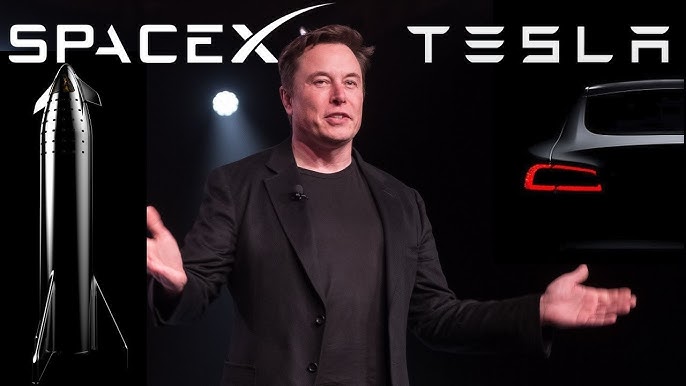
Elon Musk was born in South Africa and moved to the U.S. to pursue his dreams in technology and space. After making money from PayPal, he reinvested most of it into two huge projects: Tesla, a company making electric cars, and SpaceX, which builds rockets.
Many people thought his ideas were too risky or crazy. Tesla nearly went bankrupt, and SpaceX failed several times before launching a rocket successfully. But Elon kept going.
Now, Tesla is one of the top car companies in the world, and SpaceX is sending astronauts into space. Elon Musk’s mindset is about thinking big, ignoring limits, and never quitting.
2. Whitney Wolfe Herd - Founder Of Bumble

Whitney Wolfe Herd was motivated to develop an empowering dating experience for women in 2014 after leaving the abusive relationship and dating app Tinder.
“For all the advances women had been making in workplaces and corridors of power, the gender dynamics of dating and romance still seemed so outdated,” Wolfe Herd writes on Bumble’s website. “I thought, ‘What if I could flip that on its head? What if women made the first move and sent the first message?’”
Wolfe Herd co-founded the dating service Badoo with Andrey Andreev, and the platform requires women to initiate contact in heterosexual matches. Chris Gulzcynski and Sarah Mick were previous employees of Tinder.
Additionally, Wolfe Herd and her group worked to have legislation forbidding the mailing of unsolicited pornographic pictures passed in the state of Texas, home to the company's headquarters, in 2019.
The tale of Wolfe Herd serves as a reminder to draw inspiration from your personal experiences for business ventures and to leverage a cause close to your heart to set your brand and product apart in a crowded market.
3. Oprah Winfrey - Media Mogul And Empowerment Icon

Oprah Winfrey’s journey from poverty to becoming one of the most powerful women in media is a story of strength, vision, and deep personal growth. Born into a poor family in Mississippi, Oprah faced a childhood filled with pain, including abuse and hardship. Despite these challenges, she never let her circumstances define her future.
She started her career in local radio and TV before landing a role as a talk show host. Her natural empathy, honesty, and emotional connection with audiences helped her rise quickly. In 1986, she launched The Oprah Winfrey Show, which became one of the most-watched talk shows in history. But Oprah didn’t stop at just hosting, she built a media empire, creating her own production company and later launching her own TV network, OWN.
What made Oprah different was how she used her platform. She focused on real stories, personal struggles, and topics that inspired change and healing. She became a trusted voice for millions by being open about her own life and encouraging others to find their purpose. Her business success wasn’t just about fame, it was about impact.
4. Sophia Amoruso - Founder Of Nasty Gal And Girlboss
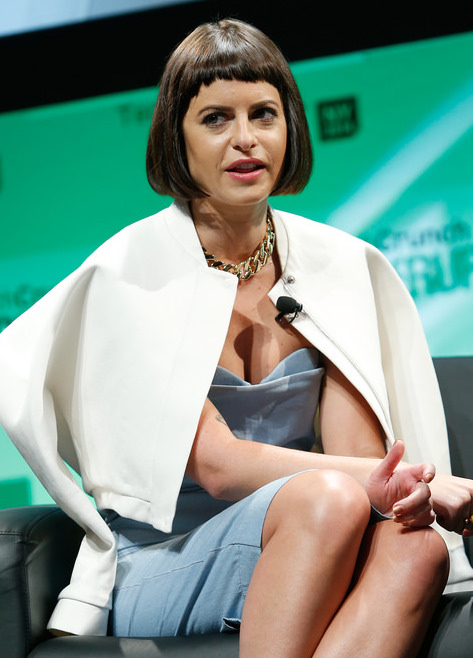
Sophia Amoruso started by selling vintage clothes on eBay. She didn’t have a fancy degree or business background she just had an eye for fashion and a strong work ethic. Her eBay store became so successful that she launched Nasty Gal, a full clothing brand.
The company grew fast and was worth over $100 million at its peak. Although Nasty Gal eventually went bankrupt, Sophia didn’t give up. She used the lessons from that failure to start Girlboss, a platform that helps women entrepreneurs connect and grow.
Sophia’s story proves that even when things fall apart, you can bounce back. She shows that failure isn’t the end it can lead to a new beginning.
5. Mo Ibrahim - Founder Of Celtel
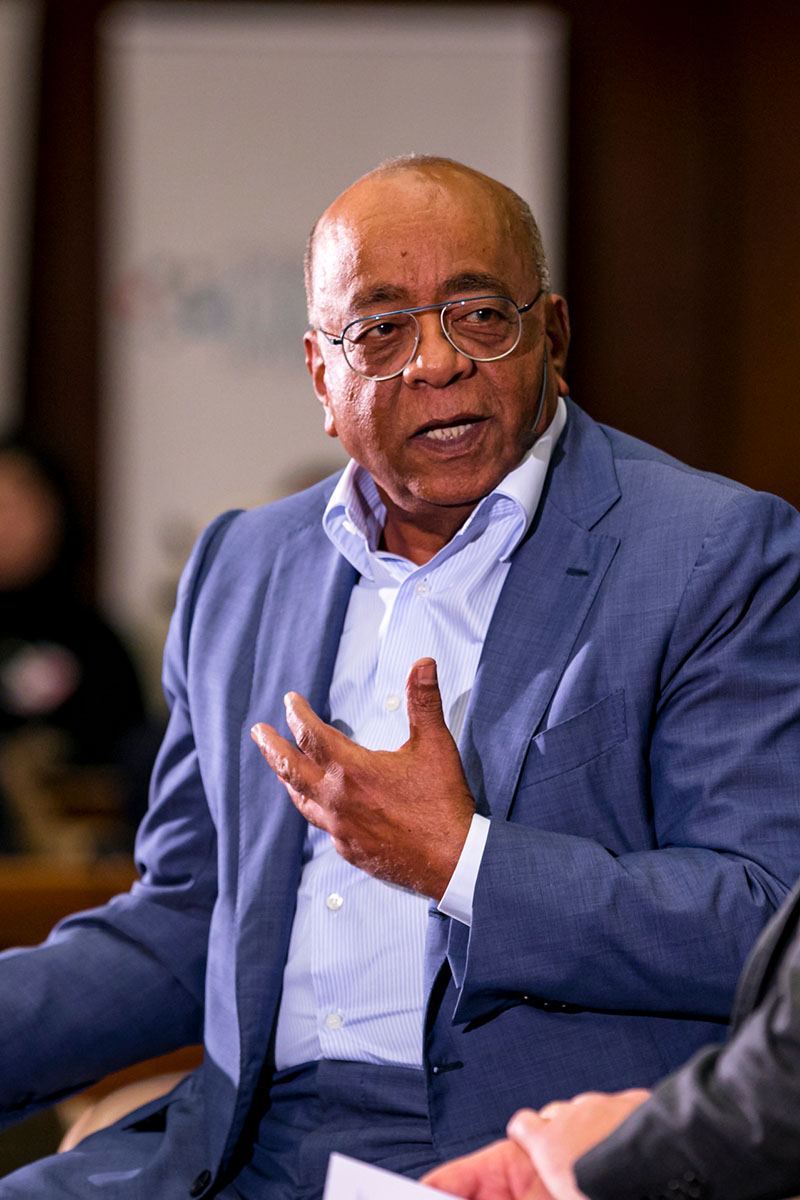
Mo Ibrahim was born in Sudan and later moved to the UK, where he studied electrical engineering. He noticed that people in Africa didn’t have access to affordable mobile phones, so he started Celtel, a telecom company focused on African countries.
Everyone told him it was a bad idea Africa was too poor, too unstable, too hard to work in. But Ibrahim believed in the potentialS of the people there. Celtel eventually served over 14 African countries and was sold for $3.4 billion.
Mo Ibrahim’s story shows how entrepreneurs can create big change by focusing on regions and people that others overlook.
6. Eric Yuan - Founder Of Zoom

Can you imagine what quarantine would have been like without Zoom, given that schools and businesses rely on the platform to manage daily operations and tasks? On the other hand, you will be amazed to learn how Zoom got started.
Eric Yuan arrived in the US from China in the mid-1990s, during the height of the internet boom. But it took eight attempts because his visa applications were turned down each time. He persisted because he thought he was capable of great things.
Yuan first worked for a Silicon Valley communication business before launching Zoom onto the global market in 2012. Yuan does not want communication to be much impacted by distance. His goal was to develop virtual communication methods that would eliminate the problem of distance.
Zoom is used by 750,000 businesses now. Businesses may communicate with each other through chats, shared workspaces, audio and video conferencing, and more. Like millions of other immigrants, Yuan struggled to get into the nation of his aspirations.
7. Bill Gates - Founder Of Microsoft
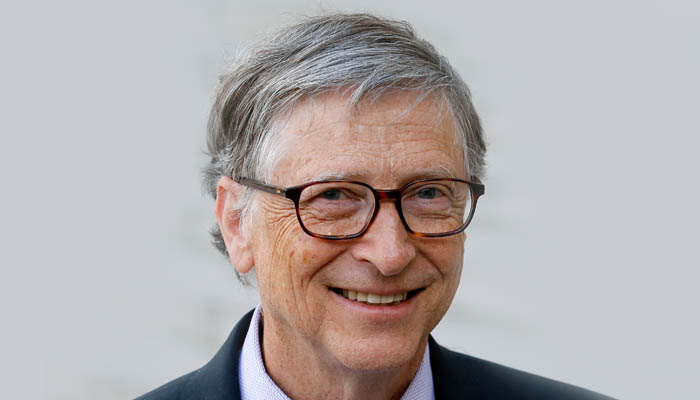
Bill Gates is among the most well-known businessmen of the modern era. One of the biggest software firms in the world, Microsoft, was founded with him as a co-founder.
After working as a software programmer for a while, Gates became a prosperous businessman. His current estimated net worth is $81 billion. 1955 saw the birth of Gates in Seattle, Washington. His mother was a teacher, while his father practiced law. Early on, Gates demonstrated an interest in technology and computers.
He enrolled in a computer programming course at his local community college when he was thirteen years old. After two years at Harvard University, he left to found Microsoft with his friend Paul Allen.
Microsoft gained popularity fast, turning Gates into a multibillionaire. When Microsoft went public in 1995, Gates surpassed all other living people in terms of wealth. Since then, he has donated billions of dollars to charitable organizations via the Bill & Melinda Gates Foundation.
8. Melanie Perkins Of Canva
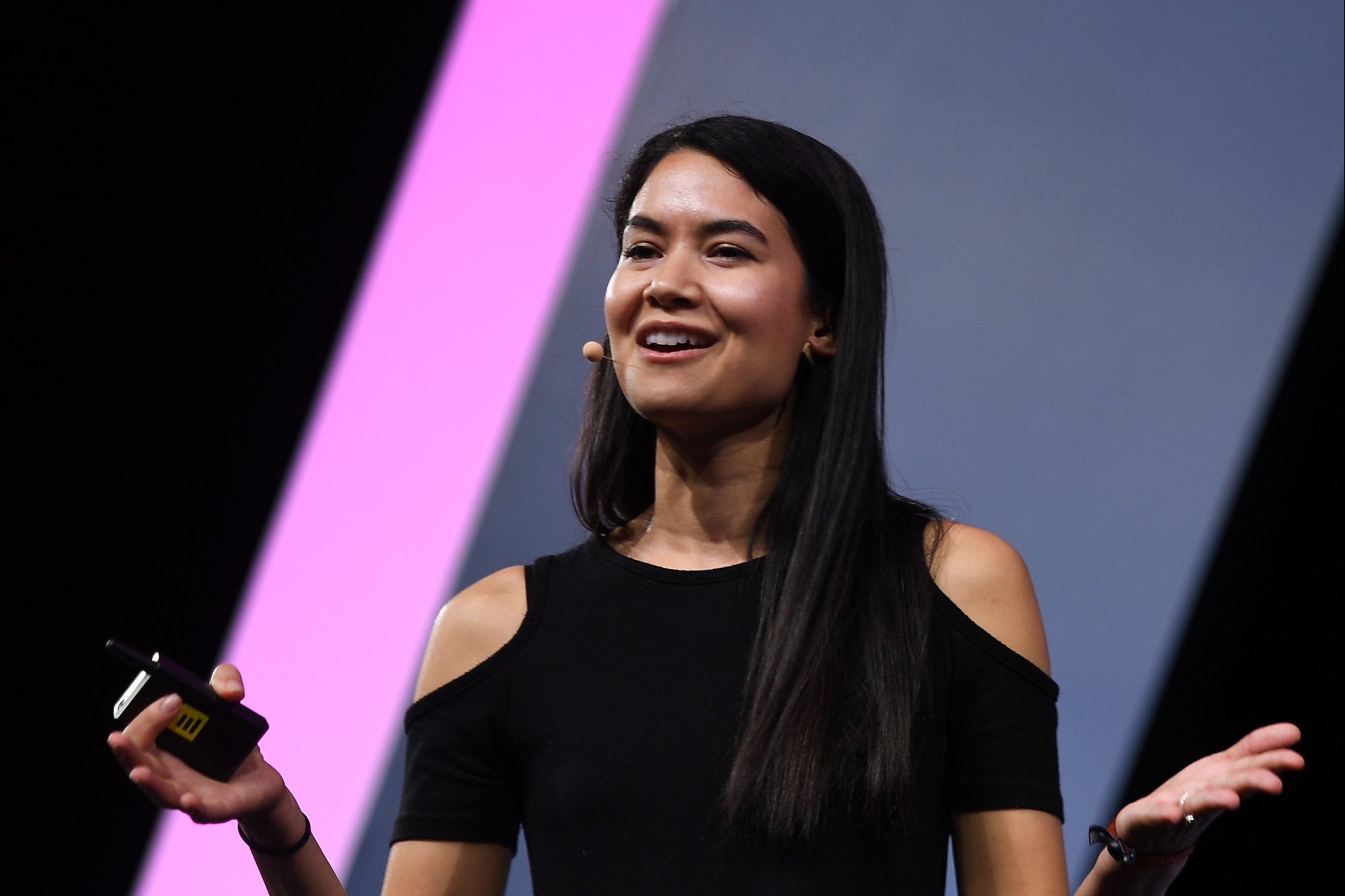
Melanie Perkins was a student in Perth, Australia in 2007 and had a part-time job teaching students how to use desktop design software. Is there a way this could be easier and less expensive? Perkins asked, taking into account the software's high cost, complexity, and semester-long learning curve.
Almost 100 investors initially rejected Perkins's proposal to establish an easy-to-use, low-cost online design tool; Canva didn't get its first funding until three years after she started pitching.
Perkins attributes this investment to a change in the way she approached pitches: she started by outlining the relatable issue that Canva seeks to resolve. Canva is used by 60 million users in 190 countries to create designs.
Perkins's tale highlights the significance of clearly conveying the worth of a business concept as well as the perseverance and fortitude needed for success in the entrepreneurial world.
9. Mark Zuckerberg - Founder Of Facebook
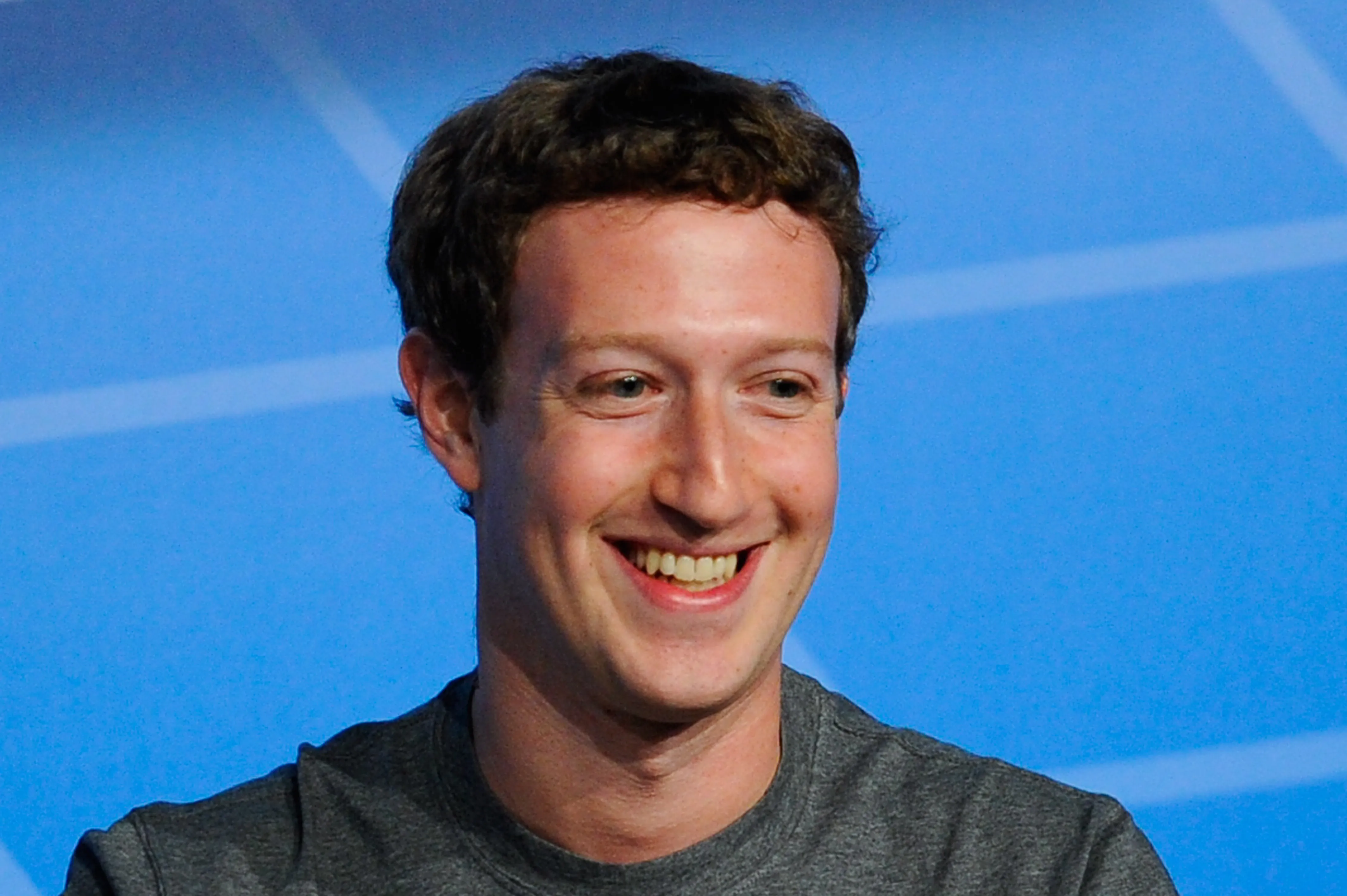
Facebook is one of the biggest social networking sitesin the world, and Mark Zuckerberg is its founder and CEO. In 2004, he founded Facebook while attending Harvard University.
The goal of Zuckerberg's conception of Facebook was to establish a global platform for communication. With over 2 billion active members as of right now, Facebook is still expanding.
Zuckerberg has amassed a net worth of more than $60 billion as a self-made billionaire. Being one of the world's youngest millionaires, he serves as an example to several budding business owners.
10. Jan Koum - Whatsapp Founder
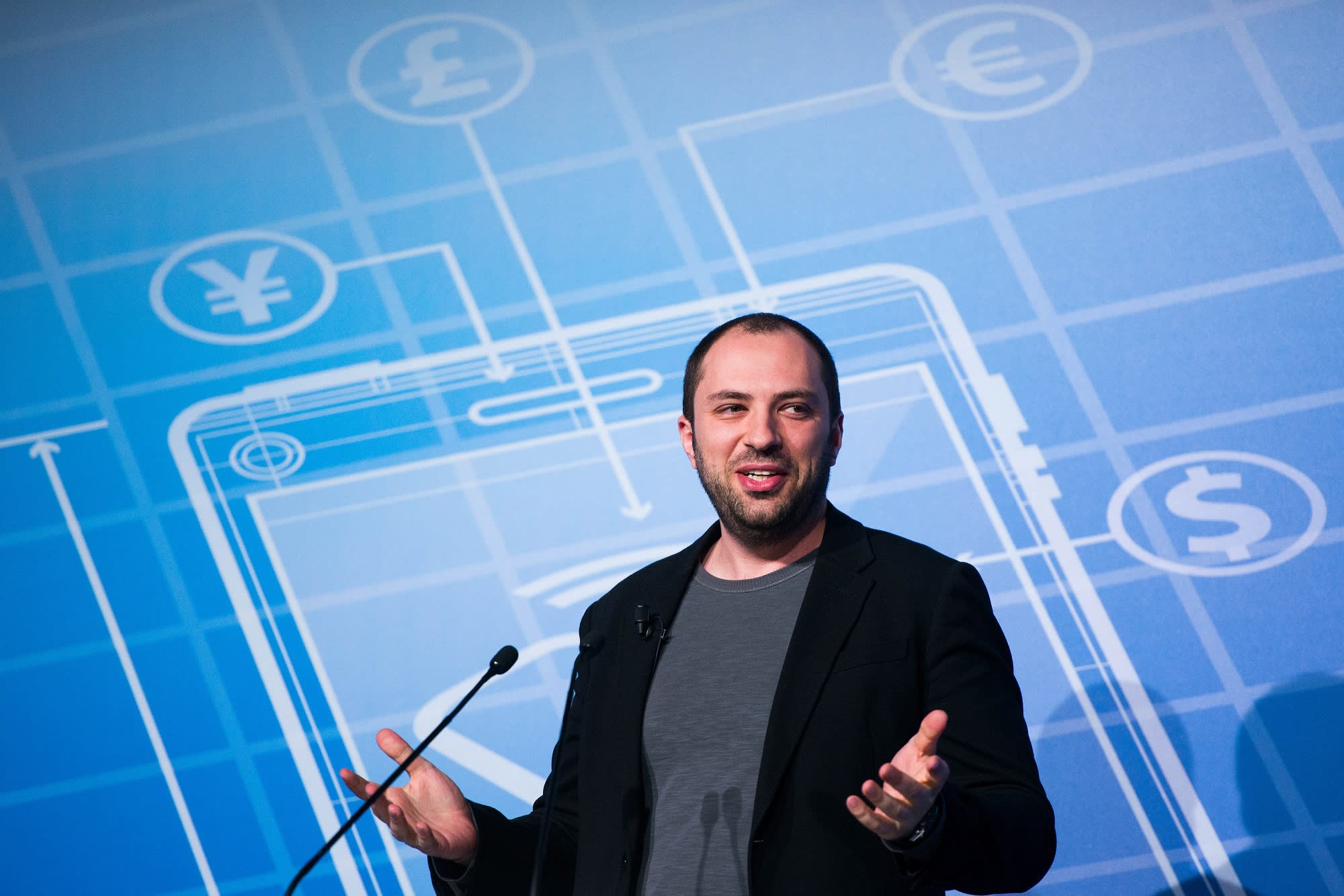
WhatsApp is vital to most people worldwide. Indeed, many of us cannot picture living without it. Even if there are other platforms for long-distance relationships and daily discussions between family and friends, many of us utilize WhatsApp. You may not know WhatsApp founder Jan Koum's entrepreneurial success story.
A little Ukrainian village is Koum's home. He wasn't rich from birth. His struggling family moved to California when Koum was young because they couldn't make ends meet in Ukraine. Koum read more about computers when he could in California. He became interested in computing and had great skills by 18. In 1997, he joined Yahoo! as an infrastructure engineer. Remember that Koum educated himself and turned his pastime into a billion-dollar career.
Koum worked at Yahoo! for 10 years before noticing the app business surge in 2009. He launched WhatsApp Inc. on faith and using his expertise, abilities, and experience. WhatsApp became one of the most popular social media apps in 2014. Soon, Facebook bought Koum's app for $19 billion.
WhatsApp's founder was a successful entrepreneur because he made the most of his circumstances. He lacked his father's income and family funds. His hard work paid off as he studied and pursued his vocation.
11. Aisha Patel - No-Code Trailblazer

Aisha Patel was a marketing manager with a great idea in 2024: a tool to help freelance writers manage their projects. The catch? She didn’t know how to code. Instead of letting that stop her, Aisha used Bubble, a no-code platform that enables you build apps without programming. In three months, she created a website that tracks client tasks, sends invoices, and organizes deadlines.
By early 2025, her platform was making $20,000 a month, and her story was trending on X, where people cheered her for showing anyone can start a tech business. No-code tools like Bubble, Webflow, and Adalo are a huge trend in 2025. They let regular people create apps, websites, or online stores without needing to hire developers or learn coding.
A report from Exploding Topics says the no-code market could be worth $45.5 billion by 2025 because these tools save time and money. Aisha built her idea in weeks, tested it with freelancers, and made changes based on their feedback, showing the entrepreneurial mindset of quick action and learning on the go.
Aisha’s story is a reminder that you don’t need to be a tech expert to start a business. If you have an idea, like a tool for your job or hobby, try a no-code platform. For example, use Adalo to build a simple app and share it with a small group to see what they think. Keep tweaking it based on their input, and you could turn your idea into something big, just like Aisha did.
12. Adi Dassler - Founder Of Adidas

Adi Dassler started making shoes in his mother’s laundry room in a small town in Germany. From the beginning, his goal was simple, create the best sports shoes to help athletes perform better. What made him stand out was his habit of talking directly to athletes, listening to their feedback, and constantly improving his designs based on their needs.
In 1949, he founded Adidas, naming it after his own nickname and last name. That same year, he introduced shoes with the famous three stripes, which soon became a symbol of quality and performance. Adidas gained worldwide fame in 1954 when the German football team wore Dassler’s cleats and won the World Cup, shocking the world and putting his brand on the map.
Adi Dassler focused on solving real problems for real people. His story shows how curiosity, creating value, and building strong connections can turn a small idea into a global brand.
13. Lila Chen - Sustainable Skincare Innovator

Lila Chen launched a skincare company in 2024 with a mission to be eco-friendly. She used biodegradable packaging and natural ingredients to appeal to people who care about the environment. To make sure her idea would work, Lila checked Google Trends and found that searches for “sustainable beauty” had jumped 30% in a year. Her smart research paid off she pitched her idea to investors and got $1.5 million to grow her brand.
Sustainability is a big deal in 2025. Customers want to buy from companies that care about the planet, and a Squarespace report says 52% of Americans choose brands that share their values, like reducing waste. Lila’s eco-friendly approach didn’t just win customers; it attracted investors who see sustainability as a smart bet.
Lila’s story shows how you can stand out by focusing on what matters to you and your customers. If you’re thinking about starting a business, research what people care about in your industry maybe it’s eco-friendly products or fair trade. Use Google Trends to spot growing trends, then build your brand around those values.
14. Maya Rodriguez - Creator Economy Star

Maya Rodriguez was a part-time TikTok creator who loved making short videos about marketing. In 2024, with just 10,000 followers, she started coaching small businesses on how to use TikTok to grow. Her clear, fun advice turned into a coaching business that earned $50,000 in a year.
This is part of the “creator economy,” where people use platforms like TikTok, YouTube, or Instagram to build businesses around their passions. The creator economy was worth $250 billion in 2024 and keeps growing. Maya didn’t need a huge audience just a loyal group who valued her tips. She started selling online courses and one-on-one coaching, proving you can make money with a small, engaged following.
Maya’s story is a great example of starting where you are. If you’re good at something, like cooking or fitness, share it on a platform like TikTok or YouTube. For example, post quick tips and see what gets the most likes, then offer a paid service, like a recipe guide or workout plan.
15. Priya Sharma - Mental Health Advocate

Priya Sharma started a tech company in 2024, but she saw her team struggling with stress. Instead of ignoring it, she offered therapy stipends and flexible work hours to support their mental health. The result was a happier, more productive team, which helped her company land a major contract in 2025.
Mental health is a top priority for entrepreneurs in 2025. A 2024 LinkedIn study found that 60% of founders face burnout, which can hurt their companies. Priya’s approach using apps like Calm and creating a supportive workplace shows that taking care of mental health leads to better results. More founders are following her lead, using tools like Headspace or setting aside time for rest to stay focused.
Priya’s story teaches us that success isn’t just about working hard it’s about working smart and staying well. If you’re running a business, try small changes, like using Calm for 10 minutes a day or setting a no-work rule after 8 p.m. If you have a team, ask what they need to feel supported, like flexible hours. These steps can keep you and your business thriving, just like Priya’s.
16. Pierre Omidyar - EBay Founder
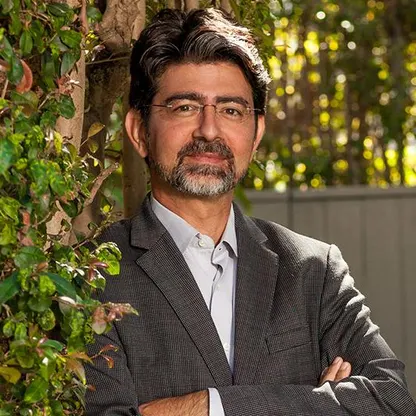
Want to know something shocking? Paris-born Pierre Omidyar was a gig-hopper software developer in his prime. He founded Auction Web in 1995. This was to get rid of his unwanted belongings that were taking up room in his home. What Omidyar considered useless was valuable to others.
After realizing this, Omidyar focused on his website, which grew quickly. Over the next few years, many transactions occurred daily. Later, Omidyar renamed and marketed the website as eBay.
In 1998, the website debuted. This made Omidyar an entrepreneur success story. Billionaire status came quickly. In 2018, he was worth over $11 billion. The auction site eBay still dominates the market. Even though numerous companies have entered the market to compete with the first auction website, it is a success.
Pierre Omidyar may never have imagined his entrepreneurial success. His software development knowledge and restlessness led him to sell household items. He understood he had to expand and commercialize when he saw a need. This entrepreneur's tale is remarkable since Omidyar invested in a side business and used his creativity to become a well-known producer, increasing his earnings.
17. Daymond John - Founder Of FUBU

Daymond John started FUBU (For Us, By Us), a clothing brand for African-American youth, from his mom’s house in Queens, New York. He didn't have the money to launch a big fashion line, so he sewed the clothes himself and asked friends to model them.
He also got creative with marketing, convincing rapper LL Cool J to wear FUBU in a GAP commercial. That helped the brand go viral. Eventually, FUBU made over $6 billion in sales.
Daymond’s story is about using what you have, being proud of your culture, and taking smart risks. Today, he’s also known for being one of the investors on Shark Tank, helping other entrepreneurs grow their businesses.
Also Check Out - 27 High-Profit Online Business Ideas For 2025
Why Entrepreneurial Stories Inspire And Teach?
Stories about successful entrepreneurs provide relatable instances of real-world achievement, which inspire and educate. These narratives highlight the difficulties, victories, and tactics that business owners have used to reach their objectives.
Through their experiences, entrepreneurs provide insightful analysis and useful guidance, enhancing the tangible and accessible nature of learning.
For example, learning about an entrepreneur's strategy for overcoming setbacks or surviving in a crowded market can help foster creativity and resilience. These narratives give entrepreneurship a human face and allow would-be business owners to apply lessons learned to their endeavors.
The Three C's Of Entrepreneurial Mindset?
The entrepreneurial mindset isn’t only about launching a business, it’s about how someone thinks, acts, and finds opportunities to solve problems in creative ways. According to the KEEN (Kern Entrepreneurial Engineering Network), this mindset is built around three important qualities: curiosity, creating value, and connections. These are known as the "Three C’s" of the entrepreneurial mindset, and they shape how people learn, work, and make an impact on the world around them.
Curiosity - The Drive To Ask Questions And Learn
Curiosity is the natural urge to ask questions, explore, and understand how and why things work the way they do. Entrepreneurs with curiosity are always paying attention to the world, noticing what’s broken, what’s missing, or what could be done better. They often wonder how something might be improved or changed, and they don’t stop at surface-level answers, they dig deeper. This type of thinking often leads to new ideas or innovations.
Creating Value - Making A Real Difference That Matters
Creating value is about finding real problems that people face and working on solutions that improve their lives. It’s not just about building something flashy or cool, it’s about doing something useful and meaningful. Entrepreneurs who focus on creating value listen to what people need and then come up with ideas that solve those problems in a practical way.
Connections - Working With People To Share Ideas And Grow Together
Connections are about the relationships we build with others. Entrepreneurs know they can’t do everything alone, so they work with teammates, customers, mentors, and even competitors to share ideas, get advice, and grow stronger. Connections help bring fresh perspectives, offer emotional support, and open doors to new opportunities.
Read more on - 10 Key Success Factors Every Aspiring Entrepreneur Needs
5 Defining Traits Of The Current Entrepreneurs
1. Adaptability In Chaos
When unexpected problems arise, today's entrepreneurs know how to change direction quickly. According to a recent survey by Intuit QuickBooks, 65% of business owners now focus on having strong financial backup plans. Many have started side businesses to protect themselves when markets become unpredictable.
Take Jordan Bourque as an example. He runs an online store that ships products directly from suppliers to customers. When political conflicts disrupted his supply routes, he quickly changed his strategy. Instead of using overseas suppliers, he switched to local ones. He also started using artificial intelligence to predict what customers would want to buy.
These changes helped him grow his business revenue by 200% in just six months. The key skill entrepreneurs need today is quick planning for different scenarios. Many use AI tools like ChatGPT to analyze markets and make better decisions faster.
2. Ethical Innovation
Creating products that help the environment isn't just good for the planet it's also profitable. The Swedish Institute runs a program called Impact Pioneers '25 that highlights new companies making a difference. One such company is CarbonLock, which takes carbon dioxide emissions from factories and turns them into materials for 3D printing buildings.
The founder, Elin Sjöström, says their success comes from measuring success in two ways: how much carbon they prevent from entering the atmosphere AND how much money they make. This approach is becoming more popular, as 73% of consumers now prefer to buy from brands that can prove they care about environmental and social issues.
3. AI-First Problem Solving
Young entrepreneurs from Generation Z are creating new ways of doing business. Marcus Lee, a senior at Babson College, built a platform for recycling electronic waste. His business uses Custom artificial intelligence to write grant proposals and reports about the impact of his work. His business kept 85 tons of electronic waste out of landfills in 2024 while earning $1.2 million in revenue.
In 2025, entrepreneurs are using AI tools in many different ways. They use predictive analytics to find markets that aren't being served well, which helps them enter new markets 40% faster. They also use automated content creation to personalize their marketing, which reduces outreach costs by 60%.
4. Collaborative Leadership
Remote work has changed how companies are organized. Traditional top-down management is disappearing. Ujuzi Farms, a startup based in Nairobi, Kenya, uses teams spread across 14 different countries. They use internet-connected sensors to help farmers grow better crops.
CEO Amina Odinga says their 300% growth comes from: Weekly virtual meetings called "innovation sprints" where they work directly with farmers Profit-sharing programs that give bonuses to employees based on how sustainable their practices are.
5. Lifelong Microlearning
With 54% of Generation Z hoping to become entrepreneurs, online learning platforms like Coursera are seeing huge increases in people taking specialized courses. Some popular courses include "Blockchain for Social Impact" (which had more than 12,000 people enroll in the first three months of 2025) and "AI Ethics Certification" (which saw a 78% increase compared to last year).
Related Reading - 25 Marketing Trend Every Small Business Should Jump On In 2025
People Also Ask
What Is An Example Of An Entrepreneurial Mindset?
Individuals with an entrepreneurial mindset trust their capabilities and their power to influence outcomes. They're decisive, ready to accept responsibility, and always open to enhancing their skills. They learn from their mistakes and continuously put their ideas into action.
Why Do Most Entrepreneurs Quit?
Entrepreneurship demands long hours, relentless work, and a blurring of personal and professional life. The constant pressure to succeed and fear of failure can take a significant toll on an entrepreneur's mental health.
How Do Entrepreneurial Stories Influence Individuals?
Entrepreneurial stories influence individuals by motivating them to pursue their ventures, providing guidance on overcoming challenges, and fostering a can-do attitude.
Why Are Entrepreneurial Role Models Important?
Entrepreneurial role models serve as sources of inspiration, offering guidance, encouragement, and practical advice for aspiring entrepreneurs.
Final Thoughts
The most powerful part of building a business isn’t the money or the fame, it’s the mindset. Entrepreneurs who succeed often start small, face many challenges, and make mistakes along the way. But they keep going. They believe in their purpose, stay flexible, learn from every experience, and never stop trying.
These trending stories show that anyone, with the right mindset, can create something meaningful. No matter your background, age, or where you live, you can think like an entrepreneur and change your own story.
Look for courses like Entrepreneurship Essentials that include case studies as part of their teaching methodology as you develop your entrepreneurial abilities. You may not only put yourself in their shoes, but you can also use their knowledge in your entrepreneurial endeavors.
Jump to
1. Elon Musk - Founder Of Tesla, SpaceX, And More
2. Whitney Wolfe Herd - Founder Of Bumble
3. Oprah Winfrey - Media Mogul And Empowerment Icon
4. Sophia Amoruso - Founder Of Nasty Gal And Girlboss
5. Mo Ibrahim - Founder Of Celtel
6. Eric Yuan - Founder Of Zoom
7. Bill Gates - Founder Of Microsoft
8. Melanie Perkins Of Canva
9. Mark Zuckerberg - Founder Of Facebook
10. Jan Koum - Whatsapp Founder
11. Aisha Patel - No-Code Trailblazer
12. Adi Dassler - Founder Of Adidas
13. Lila Chen - Sustainable Skincare Innovator
14. Maya Rodriguez - Creator Economy Star
15. Priya Sharma - Mental Health Advocate
16. Pierre Omidyar - EBay Founder
17. Daymond John - Founder Of FUBU
Why Entrepreneurial Stories Inspire And Teach?
The Three C's Of Entrepreneurial Mindset?
5 Defining Traits Of The Current Entrepreneurs
People Also Ask
Final Thoughts
Latest Articles
Popular Articles