12 Common Reasons For A Bounced Check And How To Avoid Them
Wondering why your checks are bouncing? find out the 12 most common reasons and learn effective ways to prevent these issues for a smooth financial experience.
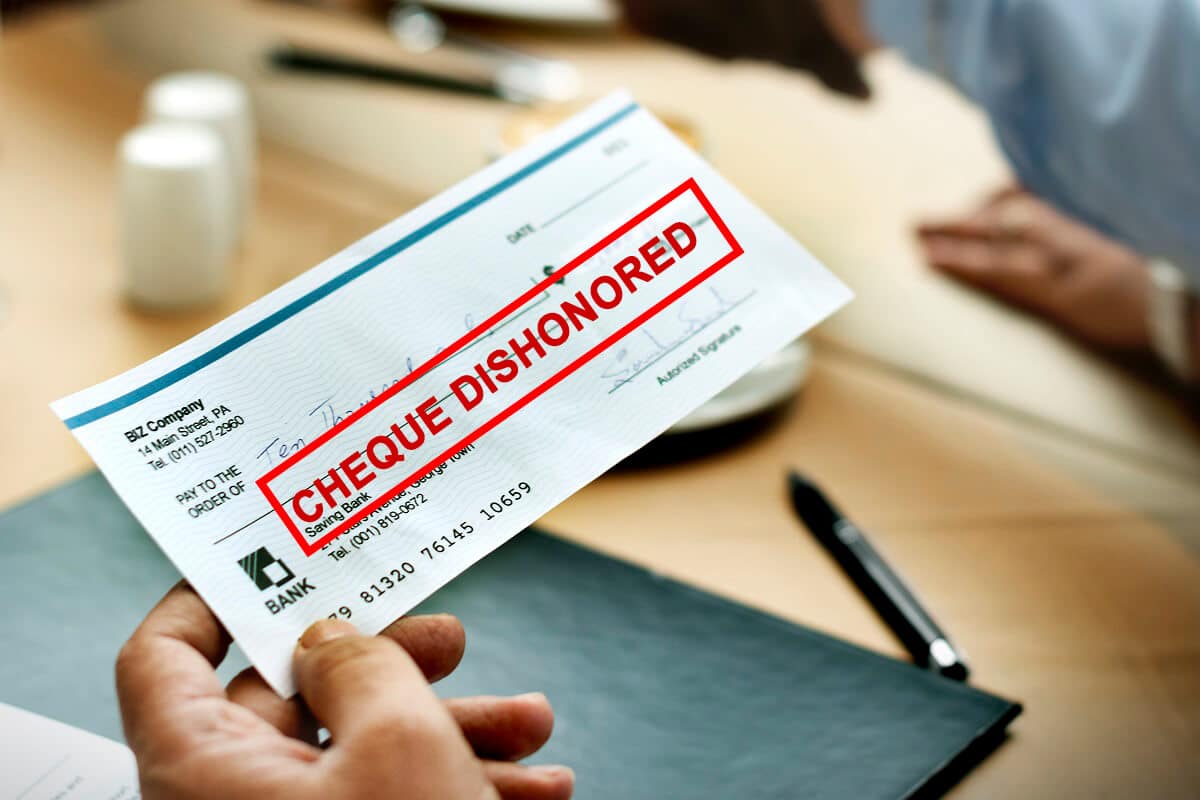
Jan 23, 2024
Few experiences are as frustrating as discovering that a check you wrote has bounced. It could be for rent, utilities, or paying a small business invoice, and a bounced check can result in hefty fees, damaged relationships, and added stress. Understanding the reasons behind bounced checks is the first step toward preventing this financial setback. This article reveals the main causes of bounced checks, their potential consequences, and practical tips to help you keep your finances in order.
From insufficient funds to issues like bank processing errors, we’ll explain the causes in detail and offer helpful suggestions to avoid future problems. If you’re new to writing checks or managing your finances, this guide gives you the knowledge you need to handle checks with confidence.
What Is A Bounced Check?
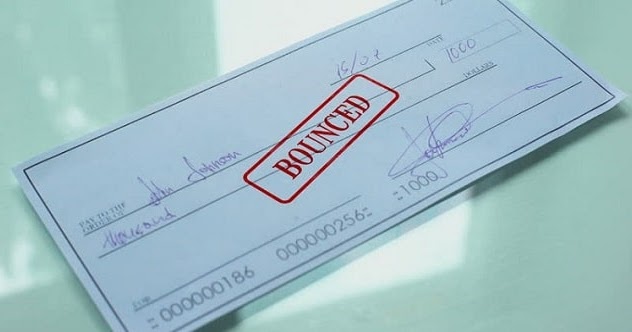
A bounced check, also known as a rubber check or a returned check, is a check that cannot be processed because the person who wrote the check needs more funds in their bank account to cover the amount specified on the check. When a check bounces, it means that the bank will not honor the payment and will return the check to the payee (the person or business to whom the check was written) due to insufficient funds.
Bounced checks can occur for various reasons, such as the account holder needing to keep track of their balance, writing a check before a deposit clears, or other issues with the account. In many jurisdictions, writing a check with insufficient funds can be considered a criminal offense, and the person responsible may face penalties, fees, or legal consequences.
Both the person who wrote the bounced check (the drawer) and the person or business who received the check (the payee) may incur fees from their respective banks. Payees often charge a returned check fee, and the drawer may face overdraft fees from their bank. Additionally, the bounced check can negatively impact the drawer's credit score and banking relationship.
Below are different well-explained reasons a Cheque Bounces:
1. Insufficient Funds In The Account
A common reason for a check to bounce is when there isn’t enough money in the account to cover the amount written on the check. In such cases, the bank returns the check and may charge a fee to the person who wrote it. According to the Negotiable Instruments Act of 1881, this can even be treated as a criminal offense.
If the payee (person expecting payment) doesn’t receive the money, they have the right to take legal action against the person who issued the check. In serious situations, the person who wrote the bad check could face a fine and even go to jail for up to two years. Sometimes, the issue can be settled if the payer sends a new check with enough money in the account.
2. Signature Doesn’t Match
A check may be rejected if the signature on it doesn’t match the one the bank has on file. This can happen if the person signs differently or by mistake uses the wrong signature. When this happens, the bank won’t process the check.
To fix it, the person who issued the check should write a new one and make sure the correct signature is used. If someone isn’t sure how their signature appears in the bank’s records, it’s a good idea to visit the bank and update it.
3. Check Has An Expired Date
Checks are only valid for three months from the date written on them. If someone tries to deposit a check after this period, the bank will not accept it. This is because the check is considered expired or outdated.
For example, if you write a check in January and it’s not cashed until May, it will be rejected. It’s important to cash or deposit checks before they become too old, or the person who wrote it might need to write a new one.
4. Mistake Made By The Check Writer
Sometimes checks bounce because the person who wrote the check made a simple mistake. They might have written the wrong date, entered an incorrect amount, or even written a check without realizing they didn’t have enough money in their account.
These errors can cause the bank to reject the check. To avoid this, it’s important to double-check all the details before giving someone a check. Being careful with the information can help prevent unnecessary problems.
5. Fake Or Unauthorized Use Of Checks
Checks can also bounce if they are involved in fraud. This includes situations like forged signatures, stolen checks, or someone using your account without permission. When banks find out that a check is fake or unauthorized, they will refuse to clear it and might start an investigation.
To avoid such situations, people should regularly check their bank statements and immediately report any activity they didn’t approve. Protecting personal banking detailsis one of the best ways to prevent this kind of fraud.
6. Check Is Too Old (Stale Check)
A check is considered stale if it is presented to the bank more than six months after the date written on it. Banks are not required to accept checks that are this old. For example, if someone forgets about a check and tries to cash it seven months later, it may be turned down.
In such a case, the person who wrote the check might need to issue a new one. To avoid this, always try to deposit or cash checks within a few months of receiving them.
7. Amount Written In Numbers And Words Don’t Match
If the amount written in numbers and the amount written in words on the check are different, the bank may not accept it. For instance, if the number says “₹5,000” but the words say “five hundred,” this creates confusion and raises suspicion.
Banks always check both to make sure they match. If they don’t, the check is likely to bounce. To prevent this, the check writer should always ensure the numbers and words show the same amount clearly.
8. Damaged Or Torn Check
Checks must be in good condition to be processed. If a check is torn, dirty, or badly folded, it might not go through the bank’s machines. This could result in the check being returned without payment.
Banks pay close attention to the physical state of a check because they need to be able to read it properly and make sure it hasn’t been tampered with. To avoid issues, keep checks safe and clean until they are handed over or deposited.
9. Too Many Corrections Or Edits
If a check has been written with lots of changes or corrections, like scratched-out amounts, rewritten names, or numbers, it may not be accepted by the bank. These signs make the check look suspicious or altered.
Banks are trained to spot tampering, and even small edits can raise concerns. If someone makes a mistake on a check, it’s better to cancel it and write a new one rather than trying to fix it with pen marks.
10. Check Is A Fake Or Forged Document
If a check turns out to be fake or forged, the bank will not process it. Banks use special tools to check whether a check is real or not. If they find that it’s not genuine, they will block the transaction and may report the case to the authorities.
This is done to protect people from losing money and to keep the banking system safe. Always use checks issued directly from your bank, and never accept one that looks unusual or suspicious.
11. Account Closed Before The Check Is Used
When someone writes a check from a bank account that has already been closed, the check will bounce. The bank checks the account details before processing any payment. If the account doesn’t exist anymore or has been closed by the user or the bank, the check will be refused.
This can cause problems for the person expecting the money, and the one who issued the check might be held responsible. Always make sure your account is active and has funds before issuing a check.
12. Technical Issues And Bank Errors
Although less common, technical glitches within the banking system or human errors made by bank employees can sometimes result in checks bouncing. These errors can arise in several ways, including mistakes during data entry, malfunctioning check scanning devices, or poor communication between banks when processing checks.
For instance, a bank employee might accidentally enter incorrect information into the system, or a scanner could misread a check, leading to it being marked as invalid. Additionally, if two banks involved in a transaction don’t properly communicate or coordinate, this can cause delays or errors in the check processing.
What Happens When A Check Bounces?
When a check bounces, it means that the bank cannot honor the payment because there are insufficient funds in the account to cover the amount of the check. This situation can occur for various reasons, such as insufficient funds, a closed account, or issues with the check itself. Here's what typically happens when a check bounces:
- Non-Sufficient Funds (NSF) Fee- The bank of the person who wrote the check (the drawer) will likely charge them a fee for having insufficient funds in their account. This fee varies by bank and jurisdiction.
- Notification to the Account Holder - Their bank may notify the account holder who wrote the check about the bounced check. This notification may come in the form of a physical letter, an email, or an online notification.
- Reattempt or Hold- Some banks may attempt to reprocess the check after a few days in case the account balance has been replenished. In other cases, the check may be put on hold until there are sufficient funds in the account.
- Communication from the Payee's Bank- The bank of the person who received the bounced check (the payee) may notify them of the issue. This often involves informing the payee that the check they deposited or cashed has bounced.
- Possible Additional Fees for the Payee- The payee's bank might charge them a fee for depositing or cashing a bounced check. Additionally, the payee may charge the drawer a fee for the inconvenience.
Consequences Of A Bounced Check
If you bounce a check, even if you didn't mean to, the consequences can be expensive and tend to get worse over time. To begin, you'll need to go through the payment process again with the seller. As you read this, your bill payment needs to be on time for a mortgage, utility bill, or car loan. You will have to pay late fees.
There may be more than one fee, which we'll talk about below. If things get better, your merchant might even tell a credit company about the late payments. In many situations, you may have to use a different method of payment for a while, especially if you've had several payments returned.
1. Overdraft Fees
You will be charged an overdraft fee if you make purchases that are more than the amount of money in your account. When you write a check, and your bank lets the payment go through even though it puts your account in the red, this is called an overdraft.
Not only will you have to pay back the overdraft amount, but you'll also have to pay an overdraft fee of up to $36 per instance.
2. NSF Fees
Some banks and online lenders, like Chime and Quontic, don't charge fees for going overdrawn. They instead offer overdrafts without fees and will hold on to the extra money for a short time until you can make a new payment.
You can still get NSF fees even if your bank rejects the payment. When you don't have enough money in your account to cover the processing of a check or internet payment, you will have to pay these fees, which are usually $34 each.
Your bank might try to process the charge again before rejecting it, and for the trouble, they might add an administrative fee to your account.
3. Reporting To Consumer Reporting Agencies
Companies like Telecheck and ChexSystems may find out about your lousy check-writing habits. Retailers who take checks can get information about banks from consumer reporting agencies. These agencies let retailers know if a checking account number or name is a high risk.
Not only that, but you might find that most stores will no longer let you write checks. You might also have trouble starting a bank account because banks have to report to these groups, too.
4. Frustration And Financial Risk
If you place a check that bounces, you'll be angry that you don't have the money you were promised, and your bank may also charge you fees.
To fix the check, you might need to hire a lawyeror a collecting agency, which will cost you more money. You might not be able to get the money back either, so you'll be out of both the things you sold and the money.
5. Merchant Fees
To make matters worse, you'll have to pay fees to both the seller, who was inconvenienced and wasn't paid, and your bank. After taking back the payment, the store may charge you a late fee if your account is past due.
You can also usually expect to be charged a fee for a check that is returned. This helps the store cover any lost processing fees and the stress of having their account debited without warning.
Read More On - The Effects Of Bounced Checks On Your Credit
What Do You Do If You Deposit A Check That Bounces?
Even though it might be annoying that the money you expected isn't in your account, give it a moment and think that the failed check you got was a mistake. Feeling sorry for someone can help you get paid and skip steps that take more time.
1. Contact The Person Or Company That Wrote You The Check
You can call or email them, but make sure to write down what you said and what the trouble is. The person who wrote the check should be able to help you, and then you can either deposit the check again or find another way to get the money you're due.
2. Redeposit The Check
You should go to a branch of the bank that wrote the check and give it for payment if you are close to one.
If the check is turned down a second time, this can help you escape any fees your bank might charge. Before putting the check back in your bank, you can call the online bank that the check is made on to make sure there are funds in the account.
3. Send A Letter Demanding Payment
Feel free to write a letter to the person who wrote the check and their bank, making sure to send a copy to both if you can't get the check to clear. The letter will be sent by certified mail so that the receiver can sign for it.
You can tell them how long they have to pay the check, which is usually 30 days, but it could be different depending on the rules in their state. The bank can help you with the specifics.
4. Go To Court
You can take the person who wrote the check to small claims court if something else works and the check still needs to be paid. Make sure you know how much you can be sued in small claims court in your area, and when you go to court, bring all of your paperwork with you to show the judge that you are trying to get paid in good faith.
How To Avoid Bouncing Checks?

To avoid bounced checks, you need to get into a few good habits that will also help your money in other ways.
- Check your bank account to see how much money you have left to spend. Only write the check if you have the money. Remember to add up regular payments and online bill payments.
- Check your account amounts before you spend money. You can use your phone or computer to log in to your accounts online. Check your amount at an ATM or, if you have to, call your bank. It's worth the extra time to avoid having checks bounce.
- That way, you'll know where every dollar goes before you even get it. When you plan, you can make sure you have enough money to pay for the things you need and not spend too much on things you'd rather not have.
- You can still use your bank's online bill payment service to pay your bills, but it's still best to read each one and choose when to pay it. When you pay your bills online, all you have to do is click "Submit" once everything is set up. This saves you money on mail.
- If everything else fails, get an extra line of credit. It is usually the cheapest choice at the bank. Most of the time, the steps above will keep you from having to bounce checks, but it's always a good idea to have a backup plan.
Read Further on - Preventive Measures People Can Take To Avoid Check Bouncing
People Also Ask
Can A Returned Check Be Deposited Again?
Yes, a returned check can typically be redeposited, but it depends on the reason for the initial return. If the check bounced due to insufficient funds, you may redeposit it after confirming the funds are available.
How Long Does A Bank Have To Bounce A Check?
If the payer's bank identifies insufficient funds or other issues, the check will be returned unpaid. This process typically takes two to five business days, but it can take longer depending on the banks involved and the specific circumstances.
Who Gets Charged If A Cheque Bounces?
Bank Penalties: Banks impose penalties on both the payer and payee when a cheque bounces. The exact charges vary depending on the bank's policies. Additional Charges: Merchants and financial institutions may refuse to accept cheques from individuals with a history of bounced payments.
How To Fix Bounced Check?
If you've bounced a check, don't panic. Here are a few ways to resolve it: Contact your bank and the recipient immediately: Open and honest communication can help alleviate some of the potential negative outcomes associated with bouncing a check. Make sure to pay any bank fees incurred, so they don't accumulate.
Final Thoughts
Bounced checks can be a hassle, but they’re often avoidable with some careful attention. By understanding the common reasons checks are returned such as insufficient funds, mismatched signatures, or outdated information you can prevent these problems and keep your payments running smoothly.
Taking steps like checking your account balance, filling out your check correctly, and staying aware of potential fraud can help you avoid costly mistakes. By staying proactive with your banking, you can ensure that your checks are processed without any issues.