How To Make Money Dropshipping: Is It Even Possible?
Wondering if dropshipping still works in 2025? Get the real truth & a step-by-step blueprint to build a profitable online store.
Jun 10, 2025894 Shares89.4K Views
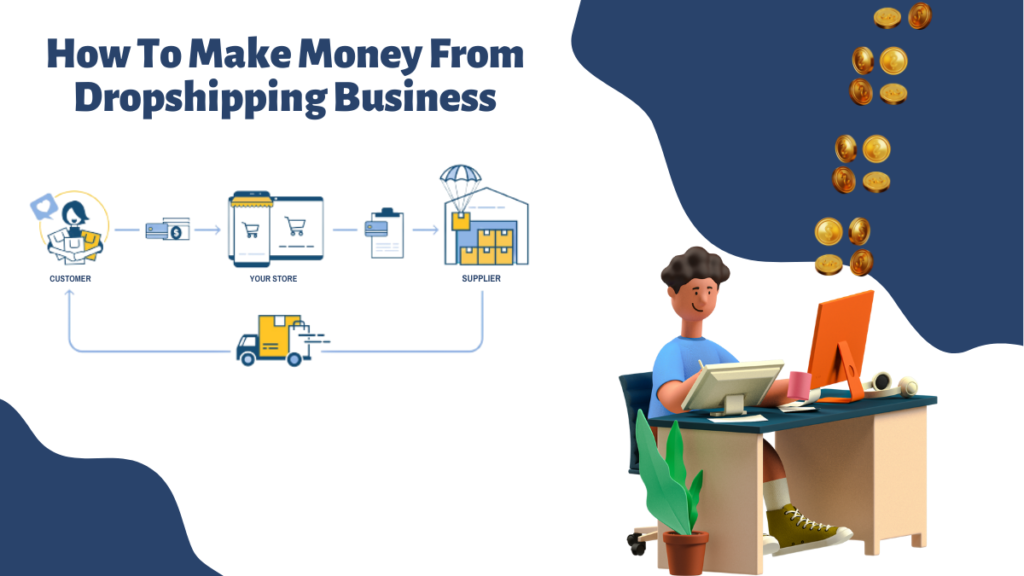
Dropshipping has evolved from a niche startup model into a serious path for entrepreneurs seeking flexibility and minimal overhead. In 2025, it remains a viable e-commerce strategy-but only for those who approach it with realism, strategic thinking, and resilience. This guide breaks down everything you need to know to build, manage, and scale a profitable dropshipping business in today's competitive landscape.
1. Understanding The Dropshipping Model
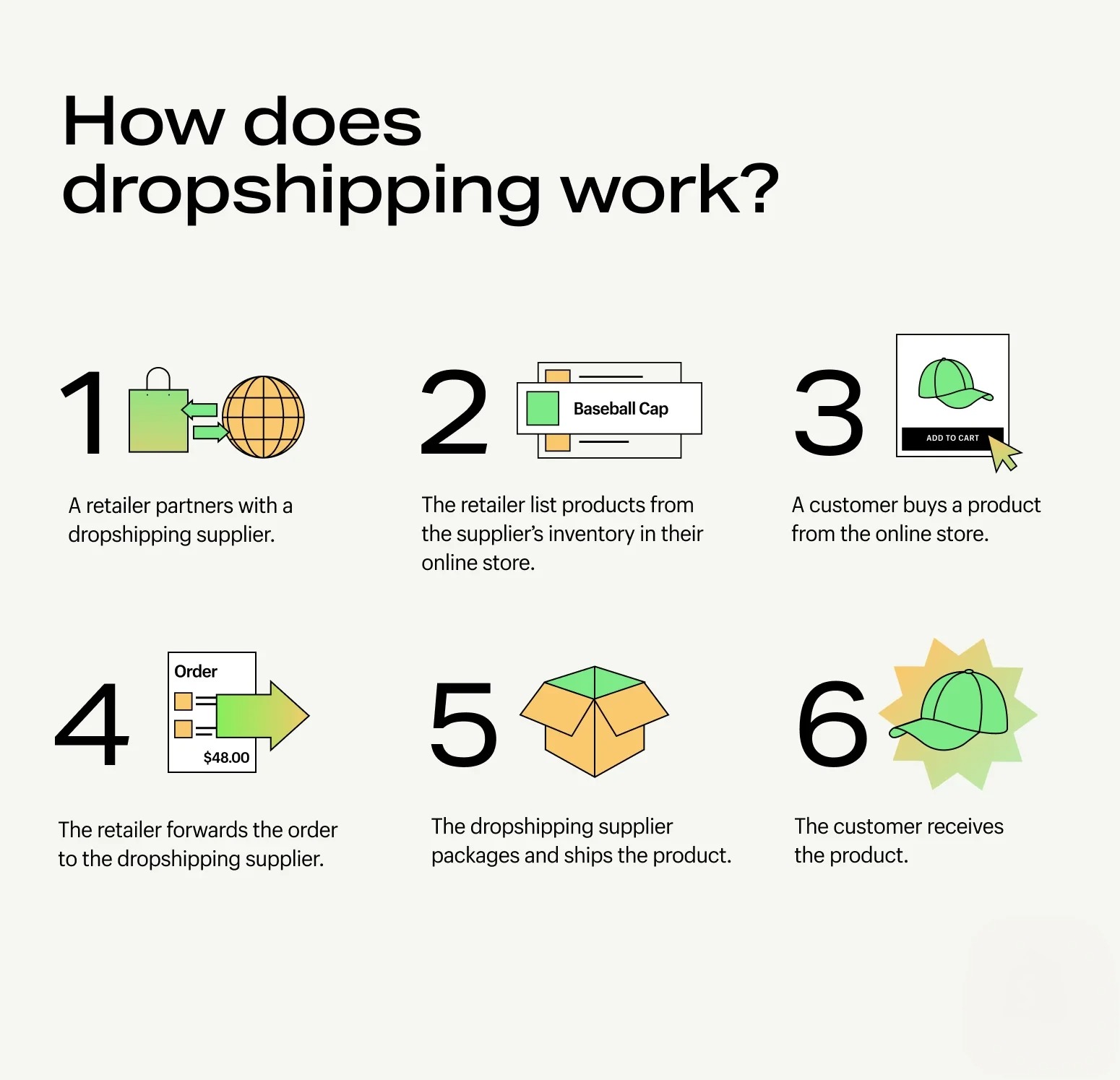
At its core, dropshipping remains a simple fulfillment method: you sell products through your online store, and when an order comes in, you forward it to a third-party supplier who ships directly to your customer. This eliminates the need for you to invest in and manage physical inventory.
- Initially, dropshipping's low entry barrier made it accessible to virtually anyone with an internet connection.
- This ease of entry, however, led to a highly saturated market, with numerous sellers offering similar goods from the same suppliers.
- The modern iteration of successful dropshipping hinges on standing out. This means focusing on niche markets, developing a strong brand identity, and offering value that goes beyond just the product itself. For new businesses, viewing dropshipping as a complementary strategy rather than the sole foundation might be a more prudent approach initially.
2. The Realities And Challenges Of Dropshipping
It's vital to be aware of the inherent challenges of dropshipping to approach it with realistic expectations and a strategic mindset, whether you're based in Lahore or anywhere else in the world.
Low Profit Margins
Since you don't handle inventory, your overhead can be low, but so can your profit margins. Most of the revenue goes to the supplier. To achieve profitability, you often need a high volume of sales. Consider this basic profit estimation: [(Traffic \times Conversion Rate) \times (Average Order Value \times Margin) = Profit]).
With an average 2% conversion rate and a 20% margin (which might be optimistic after supplier discounts and competitive pricing), you need significant traffic to see substantial returns. This calculation also doesn't account for crucial operating costs like marketing, website maintenance, and customer service.
Highly Competitive Market
The low barrier to entry attracts numerous entrepreneurs, leading to intense competition, especially in popular niches. Larger, more established companies can often afford to offer lower prices due to bulk purchasing power and brand recognition, making it challenging for newcomers to compete on price alone.
You likely won't have exclusive deals with suppliers, meaning many competitors could be selling the exact same products.
Lack Of Supply Chain Control
As a dropshipper, you're reliant on your suppliers for product quality, fulfillment speed, and even return processing. If issues arise with the supplier, you're still the one who has to deal directly with your customers.
This lack of direct control can lead to frustrating situations and potential damage to your reputation if suppliers underperform. Communication delays between customers and suppliers can also prolong issue resolution.
Potential Legal Liability
While not always common, issues can arise if your suppliers are not legitimate or if they illegally use trademarks or intellectual property. As the seller, you could be held liable. A robust Dropshipping Agreement Contract with your suppliers is crucial to mitigate these risks.
Difficulty In Building A Strong Brand
In a dropshipping model, the focus of customers is often on the product itself and its brand, rather than the shopping experience you provide. Since it's not your logo on the packaging, building strong brand loyalty can be challenging, especially for new businesses without existing brand recognition.
3. Strategic Applications Of Dropshipping In 2025
While the challenges are real, dropshipping can be a powerful tool when integrated strategically into your e-commerce operations.
Market Research And Product Validation
Use dropshipping to test the viability of new products without significant upfront inventory investment. This allows you to gauge demand and determine optimal pricing before committing to bulk purchases.
It's a low-risk way to explore new product categories and understand customer response. For instance, a successful pet supply store could use dropshipping to test the demand for cat products before investing in their own inventory.
Protection Against Overselling And Inventory Fluctuations
Maintain a dropshipping supplier as a backup to avoid overselling during unexpected demand spikes or seasonal peaks. This ensures you don't lose sales due to temporary stockouts and helps manage inventory costs by avoiding overstocking. It acts as a safety net against unpredictable market fluctuations.
Strategic Shipping Solutions For Remote Or Problematic Locations
Utilize dropshipping to fulfill orders in geographical areas where your own shipping infrastructure is costly or inefficient. This can help you reach customers in distant locations without incurring high shipping fees or setting up new fulfillment centers.
It can also be useful for navigating complex international shipping logistics, taxes, and fees. Furthermore, you can use dropshipping to test the viability of entering new geographical markets before establishing a physical presence.
Handling High-Maintenance Products
For products that are large, heavy, fragile, valuable, or require specialized storage conditions (e.g., temperature-controlled), dropshipping can be a more profitable and less risky fulfillment method than managing the storage and shipping yourself. The supplier or manufacturer might be better equipped to handle the specific requirements of these items.
4. Uncovering Profitable Niches In 2025
Selecting the right niche remains the cornerstone of a successful dropshipping venture.
- Align with Your Passions and Expertise
- Leverage Robust Market Research Tools
- Focus on Problem Solvers
- Niche Down for Specificity
- Analyze Competitor Strategies (Without Copying)
- Consider Evergreen Niches with Seasonal Peaks
Explore Trending Niches In 2025
Consider areas like sustainable and eco-friendly products, smart home devices, personalized fitness and wellness equipment, unique pet tech gadgets, and artisanal coffee brewing accessories.
1. Eco-Friendly Products
- Examples: Reusable household items, sustainable fashion, zero-waste products.
- Why It’s Profitable: Growing consumer demand for eco-conscious solutions.
2. Health And Wellness
- Examples: Wearable fitness tech, organic supplements, mental health products.
- Why It’s Profitable: The ongoing rise in health-conscious consumer behavior.
3. Home Office Essentials
- Examples: Ergonomic furniture, office organization tools, productivity gadgets.
- Why It’s Profitable: Remote work trends continue to boost demand.
4. Pet Products
- Examples: Pet tech, grooming supplies, luxury pet accessories.
- Why It’s Profitable: Increasing pet ownership and spending on pets.
5. Tech Gadgets And Accessories
- Examples: Smart home devices, phone accessories, gaming gear.
- Why It’s Profitable: Constant demand for the latest tech products.
6. Personalized Products
- Examples: Custom clothing, home décor, personalized gifts.
- Why It’s Profitable: Consumers are willing to pay more for unique, customized items.

Top 10 Niches For Dropshipping in 2025 📈
5. Identifying And Vetting Reliable Suppliers
Your suppliers are the linchpin of your dropshipping operations.
Prioritize Quality and Reliability Over Price Alone:While cost is a consideration, solely focusing on the cheapest options can lead to significant issues with product quality and shipping reliability, ultimately damaging your brand reputation.
Seek Suppliers with Efficient Shipping and Logistics:Fast and dependable shipping is crucial for customer satisfaction. Inquire about their shipping processes, typical delivery times, and tracking capabilities. Consider suppliers offering integration with e-commerce platforms for automated tracking updates.
Establish Clear Communication Channels:Open and responsive communication with your suppliers is essential for addressing issues promptly and ensuring smooth order fulfillment. Test their responsiveness before committing.
Explore Domestic Suppliers for Faster Shipping:While overseas suppliers might offer lower costs, domestic suppliers often provide significantly faster shipping times and easier communication, which can be a major competitive advantage in meeting customer expectations in 2025. Platforms like Spocket focus on connecting dropshippers with US and EU-based suppliers.
Utilize Reputable Supplier Directories and Platforms:Explore established platforms like SaleHoo, Worldwide Brands, and Zendrop, which vet suppliers to ensure a degree of reliability.
Always Order Product Samples:Before listing any product in your store, order samples to personally assess the quality, packaging, and overall presentation. This crucial step helps prevent selling substandard goods.
Key Questions To Ask Potential Suppliers
Before committing to a partnership, ask yourself:
- How do they handle returns or damaged products?
- What is their order fulfillment time, from sale to delivery?
- How responsive and helpful is their customer support? (Test it yourself.)
- Do they offer order insurance?
- Do they have fraud protection measures in place?
- Can you find online reviews or references about their reliability?
6. Crafting A Professional And User-Centric Online Store
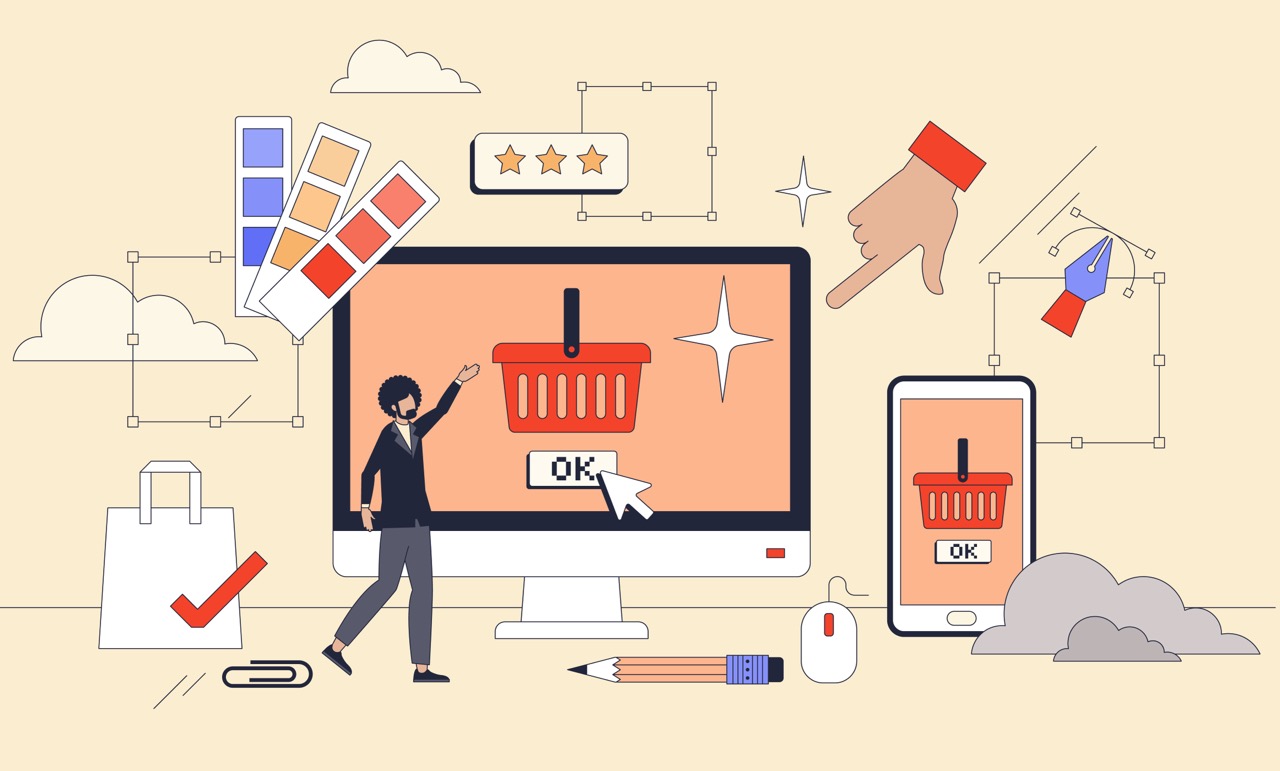
Your online store is your digital storefront and the primary touchpoint for your customers.
- Select the Right E-commerce Platform for Your Needs:Platforms like Shopify, WooCommerce, and BigCommerceoffer robust features and integrations tailored for e-commerce. Choose one that aligns with your technical skills, budget, and scalability requirements. Consider factors like ease of use, available apps, and SEO capabilities.
- Invest in a High-Quality, Mobile-Responsive Website Design:Your website should be visually appealing, easy to navigate across all devices, and reflect your brand identity. A professional design builds trust and encourages conversions. Consider hiring a freelance designer if needed.
- Optimize Product Pages for Conversion:Write compelling and detailed product descriptions that highlight benefits, not just features. Use high-quality images and videos to showcase the product from multiple angles. Clearly display pricing, shipping costs, and return policies. Include customer reviews to build social proof.
- Implement a Streamlined and Secure Checkout Process:A complicated or insecure checkout is a major cause of cart abandonment. Simplify the process, offer multiple payment options (credit cards, PayPal, etc.), and ensure robust security measures (SSL certificate).
- Build Trust and Credibility from the Outset:Include clear "About Us" and "Contact Us" pages, display trust badges (e.g., security seals, money-back guarantees), and provide transparent information about your business.
Related Reading: How To Make Money On EBay The Easy Way [Guide For 2025]
7. Developing A Cutting-Edge Marketing Strategy For 2025
A great store and quality products are only part of the equation. A dynamic marketing strategy is essential to drive traffic and generate sales in the competitive 2025 landscape.
Master Search Engine Optimization (SEO)
Optimize your website and product pages with relevant keywords to rank higher in organic search results. This involves in-depth keyword research, on-page optimization (titles, descriptions, content), technical SEO (site speed, mobile-friendliness), and building high-quality backlinks.
Strategic Paid Advertising (PPC)
Utilize platforms like Google Adsand social media advertising (Facebook, Instagram, TikTok Ads) to target specific demographics and interests. Implement retargeting campaigns to re-engage potential customers who have visited your store.
Harness The Power Of Social Media Marketing
Build a strong and engaging presence on platforms relevant to your niche. Create valuable content (not just product promotions), interact with your audience, run contests, and leverage platform-specific features like Instagram Reels and TikTok videos.
Content Marketing For Value And Authority
Create informative and engaging content like blog posts, articles, videos, and infographics related to your niche. This attracts potential customers, establishes you as an authority, and improves SEO. For example, a store selling eco-friendly baby products could create content on sustainable parenting tips.
Email Marketing For Customer Engagement And Retention
Build an email list and nurture leads with targeted email campaigns, product updates, exclusive promotions, and personalized offers. Segment your email list based on customer behavior and preferences.
Collaborate With Influencers In Your Niche
Partner with relevant influencers on social media or blogs to reach their audience and build trust. Focus on authentic collaborations that resonate with both the influencer's followers and your target market.
Explore Emerging Platforms
Stay ahead of the curve by exploring newer platforms like TikTok for organic reach and advertising opportunities, particularly if your target audience aligns with the platform's demographics.
Beginners Guide To Dropshipping In 2025
8. Delivering Exceptional Customer Service In A Dropshipping Model
In the 2025 e-commerce arena, outstanding customer service is a critical differentiator.
Offer Multiple and Convenient Support Channels:Provide options like email, live chat (essential for immediate queries), phone support (if feasible), and even social media messaging to cater to diverse customer preferences.
Ensure Prompt and Professional Communication:Respond to customer inquiries and concerns quickly, courteously, and efficiently. Aim for response times of under 24 hours, ideally much faster for live chat.
Handle Returns and Refunds with Grace and Efficiency:Develop a clear and fair return and refund policy and process requests promptly. Streamlining this process builds trust and encourages repeat business. Consider offering prepaid return labels for convenience.
Proactively Communicate Order Updates and Tracking Information:Keep customers informed about their order status with automated email updates and provide real-time tracking information. Transparency reduces anxiety and improves satisfaction.
Go Above and Beyond to Delight Customers:Consider small gestures like personalized thank-you notes, surprise discounts on future purchases, or offering expedited shipping on a delayed order to turn a potential negative into a positive.
Actively Solicit and Value Customer Feedback:Encourage reviews and feedback through post-purchase emails or surveys. Use this feedback to identify areas for improvement in your products, services, and overall customer experience.
9. Leveraging Data Analytics For Continuous Optimization
Data analysis is no longer optional; it's essential for understanding performance and making informed decisions in your dropshipping business.
Track Key Performance Indicators (KPIs)
Monitor metrics like website traffic, conversion rates, average order value (AOV), customer acquisition cost (CAC), customer lifetime value (CLTV), and bounce rate.
Utilize Powerful Analytics Tools
Implement Google Analytics, your e-commerce platform's analytics, and potentially specialized e-commerce analytics tools to gain deep insights into customer behavior, marketing campaign performance, and product popularity.
Implement A/B Testing Rigorously
Experiment with different website designs, product descriptions, pricing strategies, marketing creatives, and call-to-action buttons to identify what resonates best with your audience and improves conversion rates.
Analyze Customer Segmentation
Understand different customer segments within your audience and tailor your marketing messages and product offerings to their specific needs and preferences.
Adapt And Iterate Based On Data
The e-commerce landscape is dynamic. Regularly analyze your data, identify trends, and be prepared to adjust your strategies, product offerings, and marketing efforts accordingly.
10. Navigating The Legal And Ethical Minefield Of Dropshipping
Long-term success in dropshipping requires a strong understanding of legal and ethical considerations.
- Comply with All Applicable Laws and Regulations:Be aware of consumer protection laws, data privacy regulations (like GDPR or CCPA), and tax obligations in your target markets. Consult with legal professionals if needed.
- Ensure Product Safety and Compliance:If you're selling products with specific safety standards (e.g., electronics, children's items), verify that your suppliers meet these regulations. You are ultimately responsible for the safety of the products you sell. Consider product liability insurance.
- Practice Truthful and Transparent Advertising:Accurately represent your products in descriptions and images. Avoid misleading claims or deceptive marketing tactics.
- Respect Intellectual Property Rights:Do not sell counterfeit or infringing products. Ensure you have the right to use product images and descriptions provided by your suppliers.
- Establish Clear Terms and Conditions:Have clear and easily accessible terms of service, privacy policies, shipping information, and return/refund policies on your website.
- Manage Sales Tax Compliance:Understand your obligations for collecting and remitting sales tax in the jurisdictions where you sell. Consider using tax automation software.
11. Understanding The Costs Involved In Dropshipping
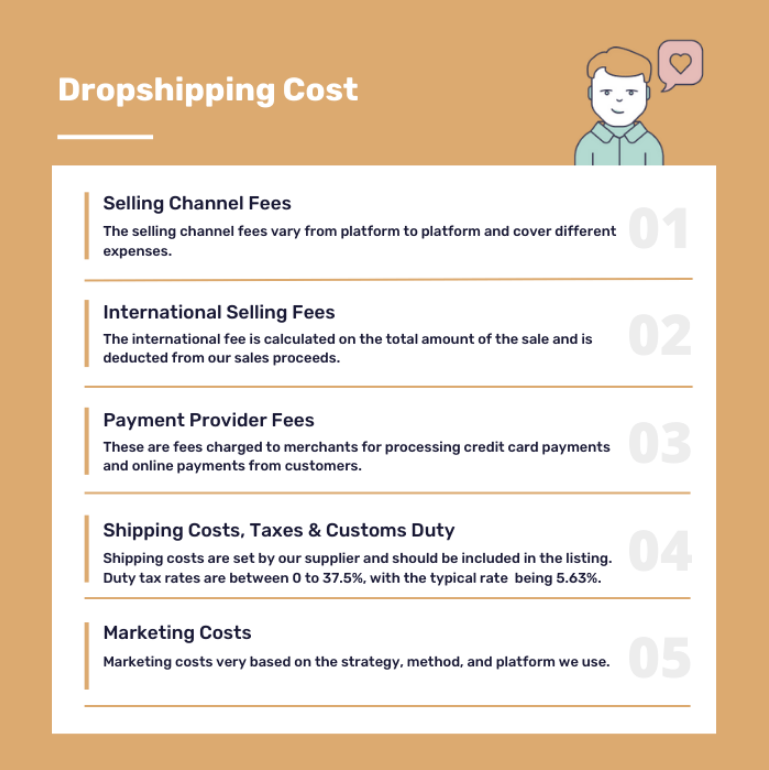
Starting and running a dropshipping business involves various potential costs. While lower than traditional retail, these expenses need careful consideration:
- E-commerce Platform Fees:Platforms like Shopify, WooCommerce (plus hosting), and others charge monthly subscription fees.
- Website Design and Development:Costs for themes (free or paid), plugins, or hiring a web developer.
- Marketing and Advertising:Budget for paid ads (Google, social media), social media management tools, and potentially influencer collaborations. This can often be the most significant ongoing expense.
- Domain Name and Hosting (if using a self-hosted platform like WooCommerce):Annual or monthly fees.
- Payment Processing Fees:Payment gateways like Stripe, PayPal, and local options in Pakistan charge transaction fees per sale.
- Software and Tools:Costs for product research tools, email marketing software, customer service platforms, and automation tools.
- Sample Orders:The cost of ordering product samples for quality checks.
- Potential Legal and Accounting Fees:For setting up your business legally and managing finances.
- Return and Refund Costs:While ideally handled by the supplier, you might incur costs related to managing returns and customer dissatisfaction.
It's crucial for entrepreneurs in Lahore and elsewhere to research local pricing for services like web development and marketing to create a realistic budget.
12. Payment Processing And Security
Selecting reliable and secure payment gateways is essential for your dropshipping store. Popular global options accessible in Pakistan include PayPal, Stripe (availability might vary, check local integrations), and various credit/debit card processing services.
Ensure your chosen gateway offers robust security features (like SSL encryption) to protect customer data and build trust. Familiarize yourself with the transaction fees and payout schedules of each option. Research local payment gateway providers in Pakistan for potentially lower fees and better integration with local banking systems.
13. Leveraging Automation Tools
To streamline your dropshipping operations and save time, consider utilizing automation tools in the following areas:
- Order Fulfillment:Some platforms and apps can automate the process of forwarding orders to your suppliers.
- Inventory Management (Supplier-Side):While you don't hold inventory, tools can help track supplier stock levels (if they provide this data) to avoid selling out-of-stock items.
- Email Marketing:Automate email sequences for welcome emails, abandoned cart recovery, and promotional campaigns.
- Social Media Management:Schedule posts and manage your social media presence efficiently.
- Customer Service:Implement chatbots or helpdesk software to automate responses to common inquiries.
Also Check Out: How To Make Money On Amazon.com The Easy Way
FAQs About Dropshipping
Is Dropshipping Still Profitable In 2025?
Yes, but only if done strategically. Success depends on niche selection, marketing, and supplier relationships.
How Much Money Do I Need To Start?
You can start with as little as $300–$500 for domain, Shopify plan, product testing, and basic ads.
What Are The Most Profitable Dropshipping Niches?
Health, pets, sustainable products, home fitness, and tech accessories remain strong in 2025.
How Do I Avoid Long Shipping Times?
Work with U.S./EU-based suppliers on Spocket or CJ Dropshipping. Consider warehousing bestsellers once proven.
Can I Dropship On Amazon Or EBay?
Yes, but with strict limitations. Amazon requires you to be the seller of record and prohibits certain fulfillment methods.
Final Words
Dropshipping in 2025 remains a viable online business option globally, including Lahore, Punjab, Pakistan, but it requires careful strategy. While the low initial investment is attractive, success depends on understanding challenges like profit margins, competition, and supplier reliance.
Key strategies for success include targeting niche markets, building a strong brand, offering excellent customer service, and selecting reliable suppliers. A user-friendly store, effective marketing, and secure payment systems are crucial.
Dropshipping can be a profitable venture with dedication, but realistic expectations, continuous learning, and adaptation to the evolving e-commerce landscape are essential for long-term success.
Jump to
1. Understanding The Dropshipping Model
2. The Realities And Challenges Of Dropshipping
3. Strategic Applications Of Dropshipping In 2025
4. Uncovering Profitable Niches In 2025
5. Identifying And Vetting Reliable Suppliers
6. Crafting A Professional And User-Centric Online Store
7. Developing A Cutting-Edge Marketing Strategy For 2025
8. Delivering Exceptional Customer Service In A Dropshipping Model
9. Leveraging Data Analytics For Continuous Optimization
10. Navigating The Legal And Ethical Minefield Of Dropshipping
11. Understanding The Costs Involved In Dropshipping
12. Payment Processing And Security
13. Leveraging Automation Tools
FAQs About Dropshipping
Final Words
Latest Articles
Popular Articles