How To Make Money On Amazon - 12 Proven Ways
Ready to make money on Amazon? Discover 12 diverse avenues, even without physical products. Learn actionable steps, vital considerations & how to scale your earnings.
Jul 05, 202515.4K Shares481.5K Views
Making money on Amazon.comhas become a captivating prospect for countless individuals worldwide. The platform, a colossal marketplace and technological innovator, offers a diverse array of opportunities beyond traditional product sales.
Whether your aim is to supplement your current income, pivot into a full-time entrepreneurial venture, or even build a powerful brand, Amazon provides a unique ecosystem to achieve your financial goals. It's a space where innovation meets opportunity, and with the right strategic approach, you can tap into its immense potential.
This comprehensive guide will demystify the process, revealing practical, actionable ways to generate income on Amazon, from selling physical products to leveraging your creative talents or even offering services. We'll explore various models, highlight their pros and cons, and arm you with the knowledge to choose the path best suited for your journey.
1. How To Make Money On Amazon: Diverse Avenues
Amazon's robust infrastructure supports a variety of income streams, each with its own set of requirements and rewards. Let's explore these avenues in detail.
1. Selling Physical Products On Amazon: The Foundation
While selling products remains a cornerstone of Amazon's business, the "how" has evolved significantly.
Fulfillment By Amazon (FBA): Streamlining Your E-commerce
FBA is a powerful service where Amazon handles the storage, packaging, shipping, customer service, and returns for your products. This allows sellers to focus on product sourcing, marketing, and scaling their business.
FBA Advantages:
- Operational Efficiency:Offloads the most time-consuming aspects of e-commerce, allowing for greater focus on strategic growth.
- Prime Eligibility:Products become eligible for Amazon Prime's fast shipping, a major draw for customers and a significant sales driver.
- Customer Trust:Leveraging Amazon's renowned logistics and customer service enhances buyer confidence.
FBA Considerations:
- Fees:Involves various fees, including storage, fulfillment, and referral fees, which must be factored into your pricing strategy.
- Inventory Management:Requires careful tracking of inventory levels to avoid both stockouts and excessive long-term storage fees.
- Competition:The FBA space is competitive, necessitating diligent product research and compelling listings.
For a quick visual overview of how to get started with Amazon FBA, check out this 5-minute video by Travis Marziani:
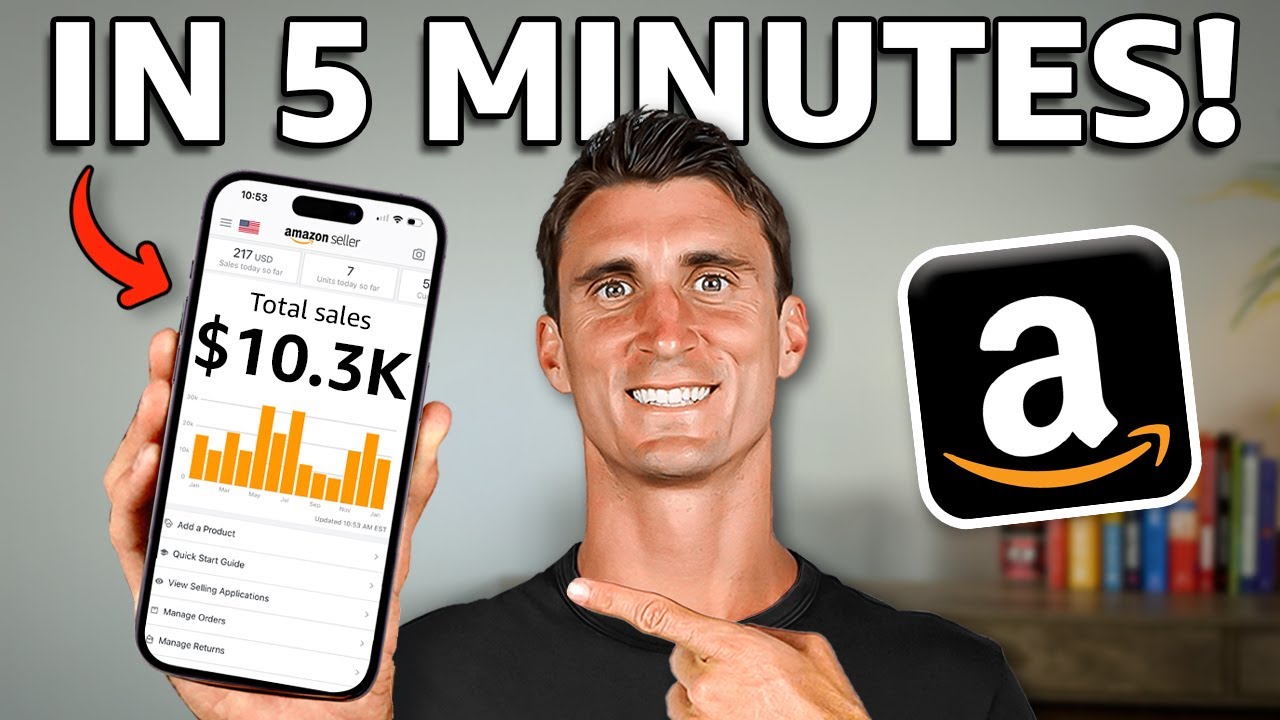
How to Sell On Amazon FBA in 5 Minutes
Winning with FBA:
Product Research:Identify high-demand, low-competition products with healthy profit margins. Tools like Jungle Scout or Helium 10 can be invaluable here. Consider products that are small and lightweight to minimize shipping and storage costs. Product Opportunity Explorer, an Amazon tool, can help identify seasonal trends and unmet demand.
Supplier Sourcing:Find reliable manufacturers or wholesalers who can provide quality products at competitive prices. Alibaba is a popular platform for sourcing.
Listing Optimization:Create compelling product listings with high-quality images, persuasive descriptions, and relevant keywords to rank higher in Amazon search results.
Inventory Management:Monitor your inventory levels to avoid stockouts or excessive storage fees.
2. Dropshipping: Minimal Inventory, Maximum Flexibility
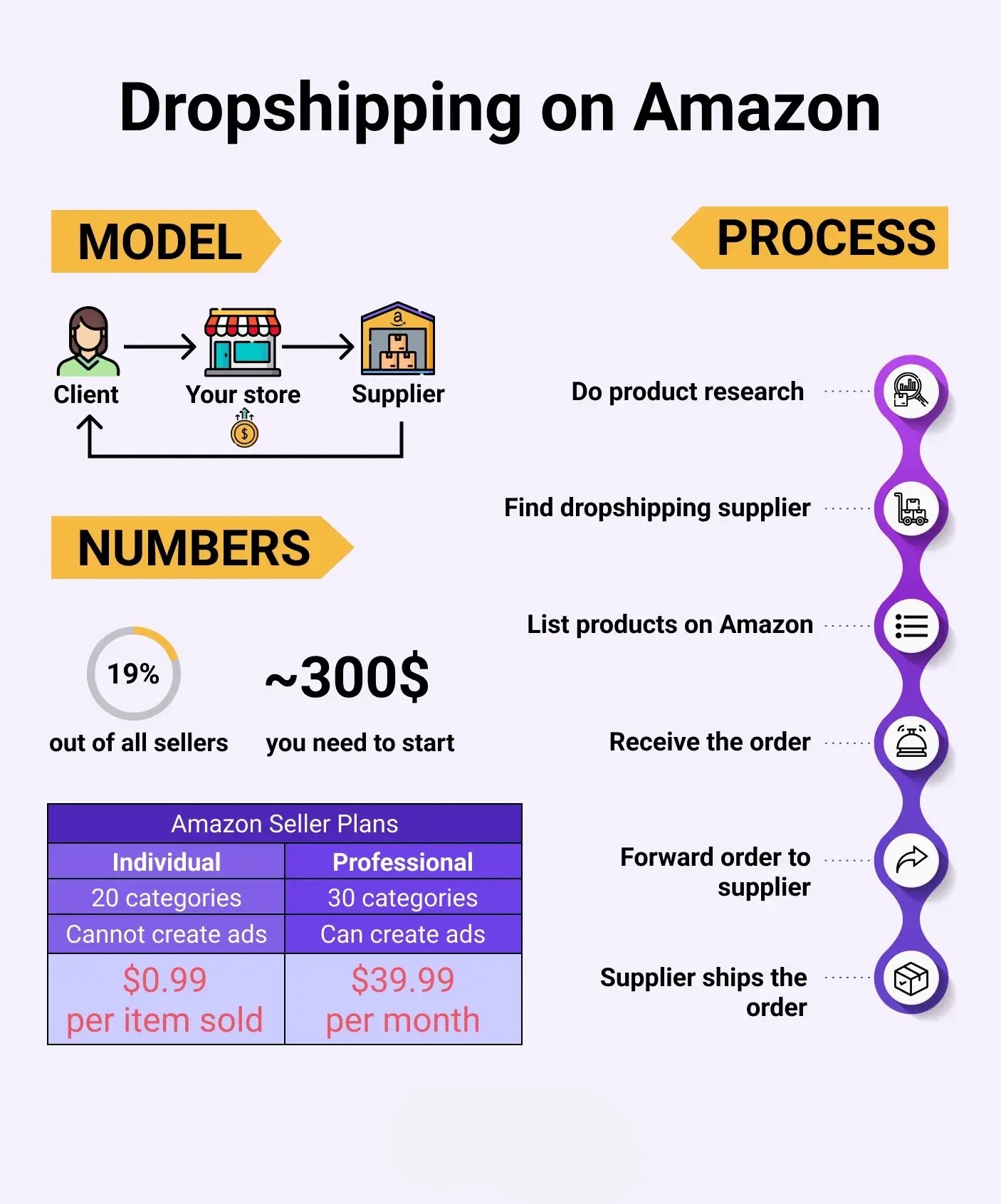
Dropshipping on Amazon involves selling products without ever holding inventory yourself. When a customer places an order, you purchase the item from a third-party supplier (often a wholesaler or manufacturer) who then ships it directly to the customer.
Dropshipping Advantages:
- Low Startup Costs:No need to invest in inventory upfront, making it a low-risk way to start.
- Wide Product Selection:You can offer a vast range of products without managing physical stock.
- Flexibility:Run your business from anywhere with an internet connection.
Dropshipping Considerations:
- Lower Profit Margins:You're often buying at retail or near-retail prices, leading to thinner margins.
- Supplier Dependence:Your success heavily relies on the reliability and efficiency of your suppliers. Late shipments or poor product quality can harm your Amazon seller metrics.
- Amazon's Policies:Amazon has strict dropshipping policies, requiring you to be the seller of record and responsible for customer service and returns. Any identifying information from a third-party supplier must be removed from packaging.
Effective Dropshipping:
Reputable Suppliers:Partner with reliable dropshipping suppliers who offer consistent product quality and fast shipping.
Product Vetting:Thoroughly research products to ensure they meet Amazon's standards and have good customer reviews.
Exceptional Customer Service:Since you're the face of the business, provide prompt and effective customer support to handle inquiries and resolve issues.
Automated Tools:Use tools like AutoDS to streamline product research, order fulfillment, and inventory syncing.
Related Reading: How To Make Money Dropshipping
3. Reselling And Arbitrage: Hunting For Profit
Reselling, particularly through retail arbitrage (buying from physical stores) or online arbitrage (buying from other online retailers), involves acquiring products at a low price and selling them for a profit on Amazon. This includes the lucrative niche of selling refurbished products.
Reselling Advantages:
- Lower Initial Investment:Can start with a relatively small budget, purchasing a few items at a time.
- Immediate Inventory:Products are typically available for immediate purchase and listing.
- Accessible:No need for wholesale accounts or manufacturing relationships.
Reselling Considerations:
- Time-Consuming:Requires diligent searching for deals, which can be time-intensive.
- Scalability Challenges:It can be difficult to scale consistently due to the unpredictable nature of finding profitable items.
- Competition:Other arbitrage sellers may be looking for the same deals.
Strategic Reselling:
Amazon Seller App:Use the Amazon Seller app to scan barcodes in stores and instantly check product profitability, sales rank, and competition on Amazon.
Target Clearance Sections:Focus on clearance aisles, seasonal sales, and discount stores.
Know Your Niches:Develop an eye for products that tend to sell well on Amazon, even if they're discounted elsewhere.
Condition Matters:Accurately assess the condition of used or open-box items to ensure customer satisfaction.
Amazon Renewed:For refurbished products, explore the Amazon Renewed program. This allows you to sell repaired, refurbished, or pre-owned electronics, power tools, and other eligible items backed by the Amazon Renewed Guarantee, building significant customer trust.
To qualify, you must have experience selling such products and adhere to Amazon's strict quality and testing requirements, ensuring products are "like-new" functionally.
4. Private Label: Crafting Your Own Brand
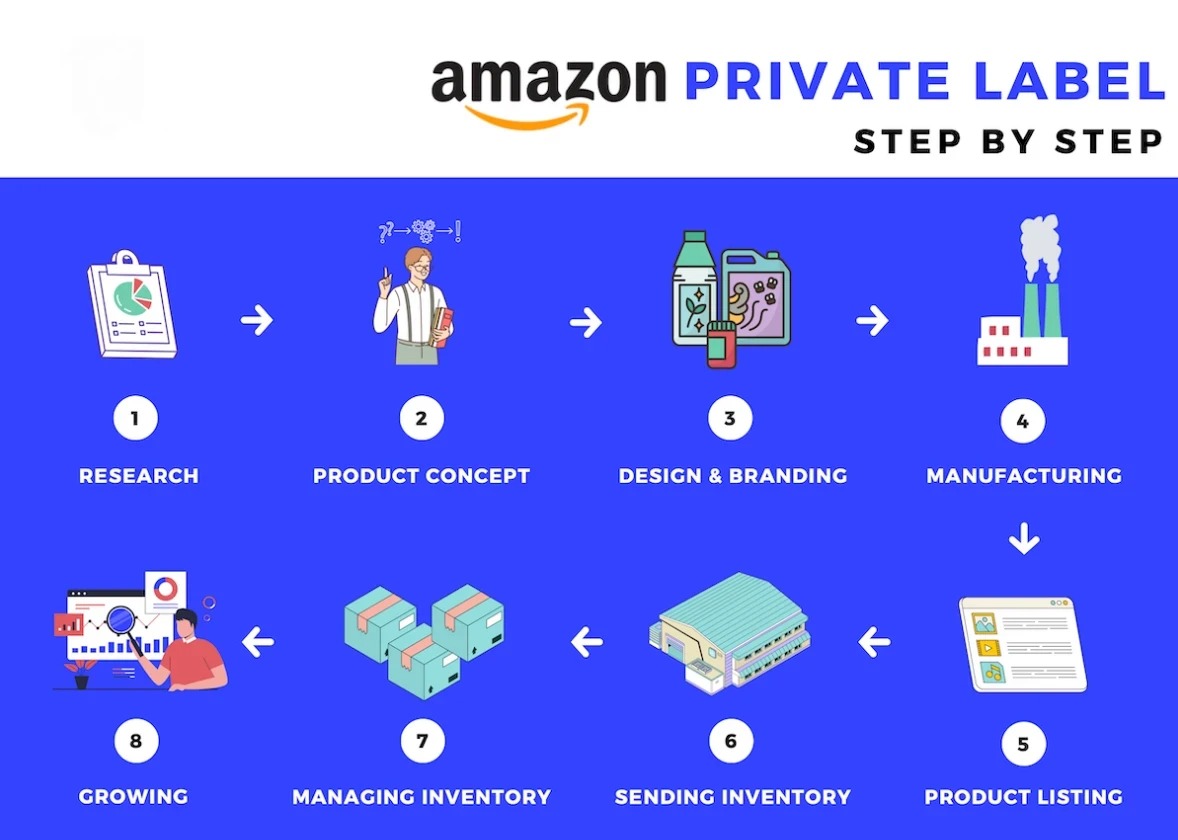
Private labeling involves creating your own brand and manufacturing products under that brand name. You then sell these products exclusively on Amazon or other platforms. This often involves working with manufacturers to produce your unique product.
Private Label Advantages:
- Higher Profit Margins:You have more control over manufacturing costs and pricing, potentially leading to better margins.
- Brand Building:You build your own brand, which can be a valuable asset in the long term.
- Reduced Competition:You're selling a unique product, not competing directly with other sellers on the same listing.
Private Label Considerations:
- Higher Startup Costs:Requires a significant upfront investment in product development, manufacturing, and initial inventory.
- Product Development:Requires thorough research and development to create a product that meets market demand.
- Marketing & Branding:You're responsible for all aspects of brand building and marketing.
Building a Private Label:
In-Depth Market Research:Identify underserved niches and product opportunities with strong demand and manageable competition.
Quality Control:Ensure your manufactured products meet high-quality standards to build customer trust and receive positive reviews.
Strong Branding:Develop a memorable brand name, logo, and packaging that resonates with your target audience.
Launch Strategy:Plan a strategic launch, often involving initial promotions and advertising, to gain early traction and reviews.
2. How To Make Money On Amazon Without Selling Physical Products
Amazon's ecosystem extends beyond physical goods, offering compelling opportunities for those who prefer to earn income without managing physical inventory.
5. Kindle Direct Publishing (KDP): The Author's Path

Kindle Direct Publishing (KDP) empowers authors to self-publish e-books and print-on-demand paperbacks for free. You earn royalties on every sale, without handling printing or distribution. This also extends to audiobooks via the Audiobook Creation Exchange (ACX).
KDP Advantages:
- Low Barrier to Entry:Anyone can publish a book without traditional publishing houses.
- Passive Income Potential:Once published, your book can continue to generate royalties over time.
- Creative Outlet:A fantastic way to share your knowledge, stories, or expertise.
KDP Considerations:
- Royalties:Earn up to 70% royalties on eBooks, but factors like delivery costs and pricing tiers apply. Print books have different royalty structures based on printing costs.
- Marketing Responsibility:You're responsible for promoting your book to attract readers.
- Competition:The KDP marketplace is saturated, requiring strategic niche selection and effective marketing.
KDP Success Tips:
Niche Selection:Research profitable book niches and identify topics with reader interest.
Quality Content:Write a well-researched, engaging, and error-free book.
Professional Formatting & Cover Design:A professional-looking cover and well-formatted interior are crucial for attracting readers.
Strategic Pricing & Promotions:Utilize KDP's promotional tools like Kindle Countdown Deals and Free Book Promotions.
Build an Author Platform:Engage with readers, build an email list, and promote your books on social media or a blog.
Also Check Out: How To Make Money Writing EBooks: The Easiest Path To Profits
6. Merch On Demand (Print-on-Demand): Design And Sell Apparel
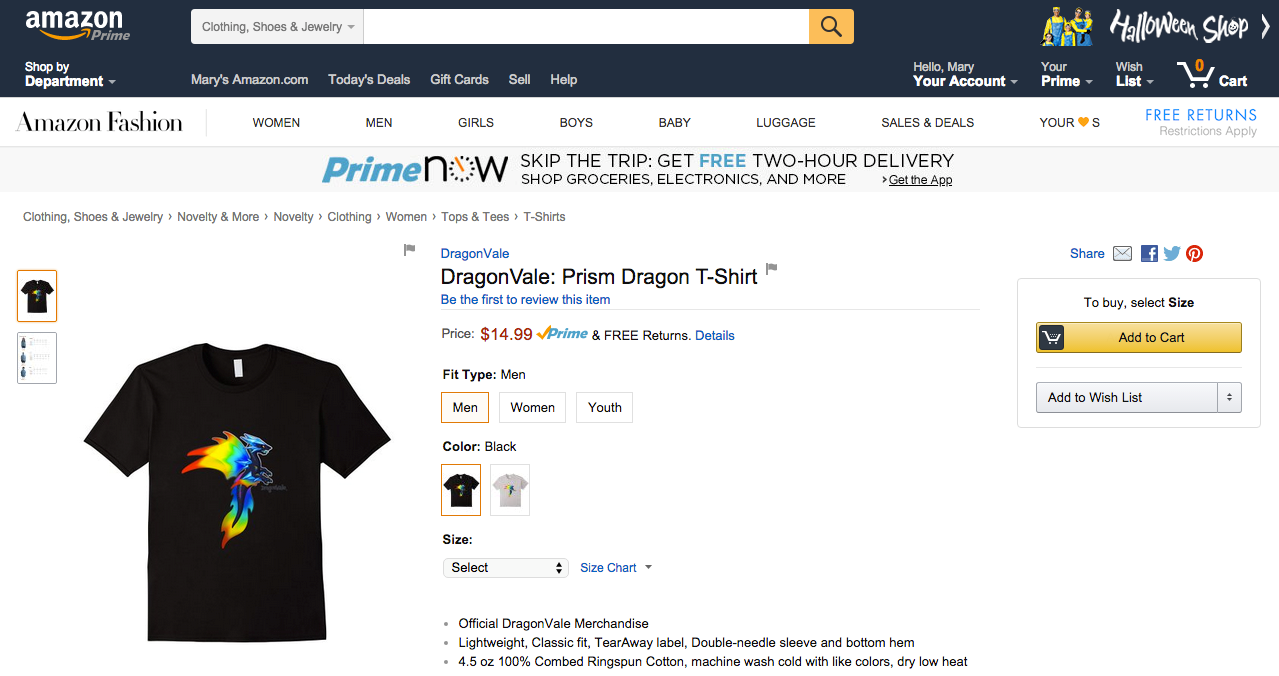
Merch by Amazon, now known as Merch on Demand, allows designers to upload their artwork to be printed on various products (t-shirts, hoodies, pop sockets, etc.). Amazon handles printing, shipping, and customer service. You earn a royalty on each sale.
Merch on Demand Advantages:
- No Inventory or Upfront Costs:You don't pay anything until a sale is made.
- Passive Income Potential:Once designs are uploaded, they can sell continuously.
- Creative Freedom:A great platform for graphic designers, artists, and those with unique ideas.
Merch on Demand Considerations:
- Design Skills:Success heavily relies on creating appealing and commercially viable designs.
- Competition:The platform is highly competitive, requiring innovative designs and strategic keyword targeting.
- Tier System:New users start at a low tier, limiting the number of designs they can upload initially.
Merch on Demand Strategies:
- Trend Research:Stay updated on trending topics, holidays, and pop culture to create timely and relevant designs.
- Niche Down:Focus on specific niches to appeal to a targeted audience.
- High-Quality Graphics:Ensure your designs are high-resolution and visually appealing.
- Effective Keywords:Use relevant keywords in your product titles and descriptions to improve discoverability.
7. Amazon Associates (Affiliate Marketing): Monetize Your Audience
The Amazon Associates program is one of the largest and most well-known affiliate marketing programs. You earn a commission by promoting Amazon products on your website, blog, or social media channels. When someone clicks your unique affiliate link and makes a purchase, you get a percentage of the sale.
Amazon Associates Advantages:
- No Product Handling:You don't need to create, store, or ship any products.
- Low Barrier to Entry:Easy to sign up and start generating links.
- Wide Product Selection:Access to millions of products to promote.
Amazon Associates Considerations:
- Commission Rates:Commission percentages vary by product category (typically 1% to 20%), which can be relatively low.
- Traffic Generation:Requires a platform with consistent traffic (website, blog, social media following) to generate meaningful income.
- Cookie Window:You only earn a commission if the purchase is made within a specific timeframe (usually 24 hours) after the click.
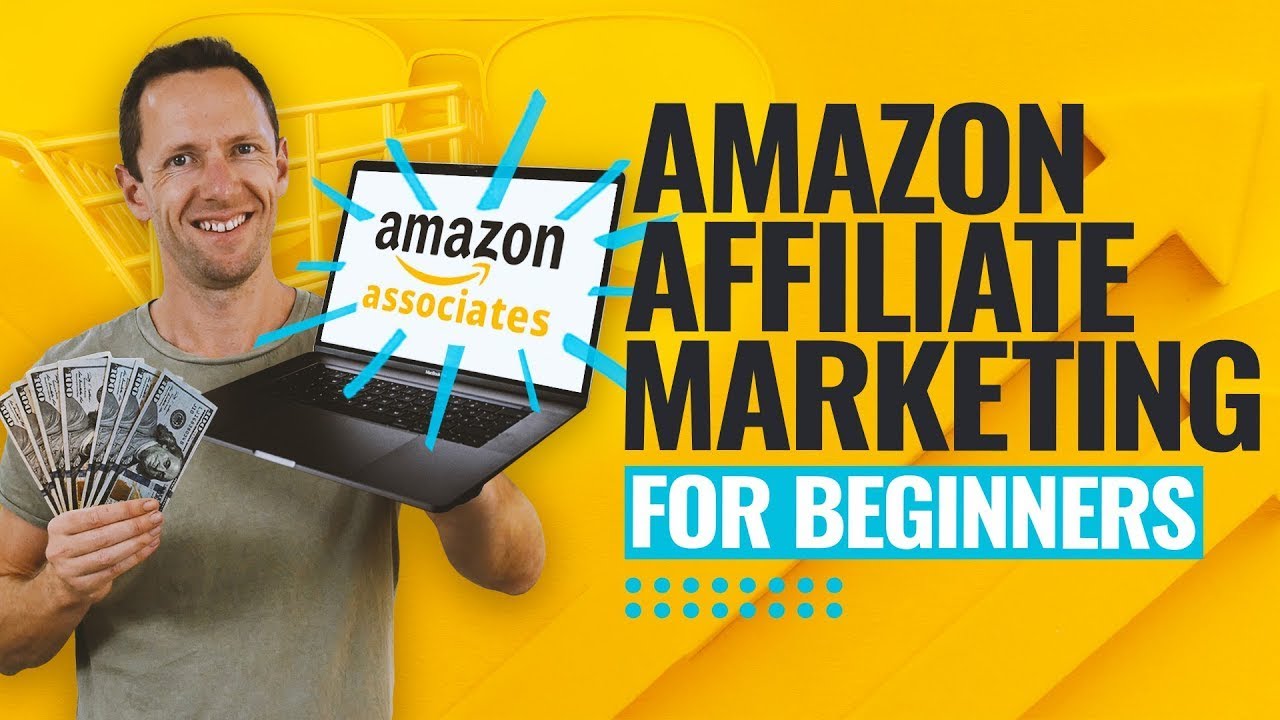
Amazon Affiliate Marketing For Beginners (Amazon Associates Program Tutorial!)
Maximizing Affiliate Earnings:
- Niche Website/Content:Build a website or create content around a specific niche or topic that naturally lends itself to product recommendations.
- Valuable Content:Provide helpful reviews, comparisons, guides, or tutorials that genuinely assist your audience in making purchase decisions.
- Natural Link Integration:Weave affiliate links naturally into your content, avoiding excessive or spammy placements.
- Disclosure:Always clearly disclose your affiliate relationship to your audience, as required by law and Amazon's policies.
8. Amazon Influencer Program: Leverage Your Digital Presence
If you have a significant social media following, the Amazon Influencer Program offers a way to monetize your influence. It's an extension of the Associates program, providing influencers with their own Amazon storefront where they can curate and recommend products. This also ties into Amazon Live.
Influencer Program Advantages:
- Direct Monetization:Turn your existing audience into a revenue stream.
- Personalized Storefront:Create a branded space to showcase recommended products.
- Engaging Content:Opportunities for live streams (Amazon Live), product reviews, and tutorials.
Influencer Program Considerations:
- Audience Engagement:Requires an active and engaged following to drive sales.
- Content Creation:Consistent creation of compelling content is necessary.
- Commission-Based:Earnings are commission-based, similar to Amazon Associates.
Influencer Program Success:
- Authentic Recommendations:Promote products you genuinely use and believe in to maintain credibility.
- Diverse Content:Experiment with different content formats – reviews, unboxings, tutorials, live Q&A sessions.
- Engage with Community:Interact with your audience to build stronger connections and trust.
3. How To Make Money On Amazon: Service-Based & Task-Oriented Work
Beyond product sales and content creation, Amazon facilitates earning through direct services and micro-tasks.
9. Amazon Flex: Deliver On Your Terms

Amazon Flexallows individuals to become independent delivery drivers for Amazon, using their personal vehicles to pick up packages and deliver them to customers.
Amazon Flex Advantages:
- Flexible Hours:Choose your own blocks and work when it suits your schedule.
- Direct Earning:Get paid for each delivery block you complete.
- Independent Contractor:Work as your own boss.
Amazon Flex Considerations:
- Vehicle Requirements:You need a suitable vehicle (typically a mid-sized sedan or larger) and a valid driver's license, insurance, and smartphone.
- Fuel & Maintenance Costs:You're responsible for your own fuel, vehicle maintenance, and other operating expenses.
- Fluctuating Demand:The availability of delivery blocks can vary depending on location and time of year.
Optimizing Flex Earnings:
- Optimize Routes:Familiarize yourself with your delivery area to complete blocks efficiently.
- Stay Hydrated & Prepared:Delivery can be physically demanding.
- Track Expenses:Keep meticulous records of your mileage and other expenses for tax purposes.
10. Amazon Mechanical Turk (MTurk): Micro-Tasks For Extra Cash
Amazon Mechanical Turk (MTurk)is a crowdsourcing marketplace where individuals (called "Workers") complete small, digital tasks (Human Intelligence Tasks or HITs) that computers currently struggle with. These tasks can include data entry, image tagging, content moderation, transcription, and more.
MTurk Advantages:
- No Special Skills Required (Often):Many tasks are simple and don't require specialized expertise.
- Work from Anywhere:All work is done online.
- Flexible:Work whenever you have spare time.
MTurk Considerations:
- Low Pay Per Task:Individual HITs often pay only a few cents, so you need to complete many to earn a decent amount.
- Can Be Repetitive:Many tasks are repetitive and can become monotonous.
- Requires Focus:While simple, accuracy is important to maintain your Worker reputation.
MTurk Earning Strategies:
- Focus on Approved HITs:Prioritize HITs from reputable Requesters with good approval ratings.
- Use Scripts/Tools:Some third-party scripts can help filter and manage HITs more efficiently.
- Build Your Reputation:Consistently deliver high-quality work to unlock higher-paying tasks.
4. Specialized Selling: Artisan Crafts And Business-to-Business
Amazon also provides tailored platforms for specific types of sellers.
11. Amazon Handmade: A Marketplace For Artisans
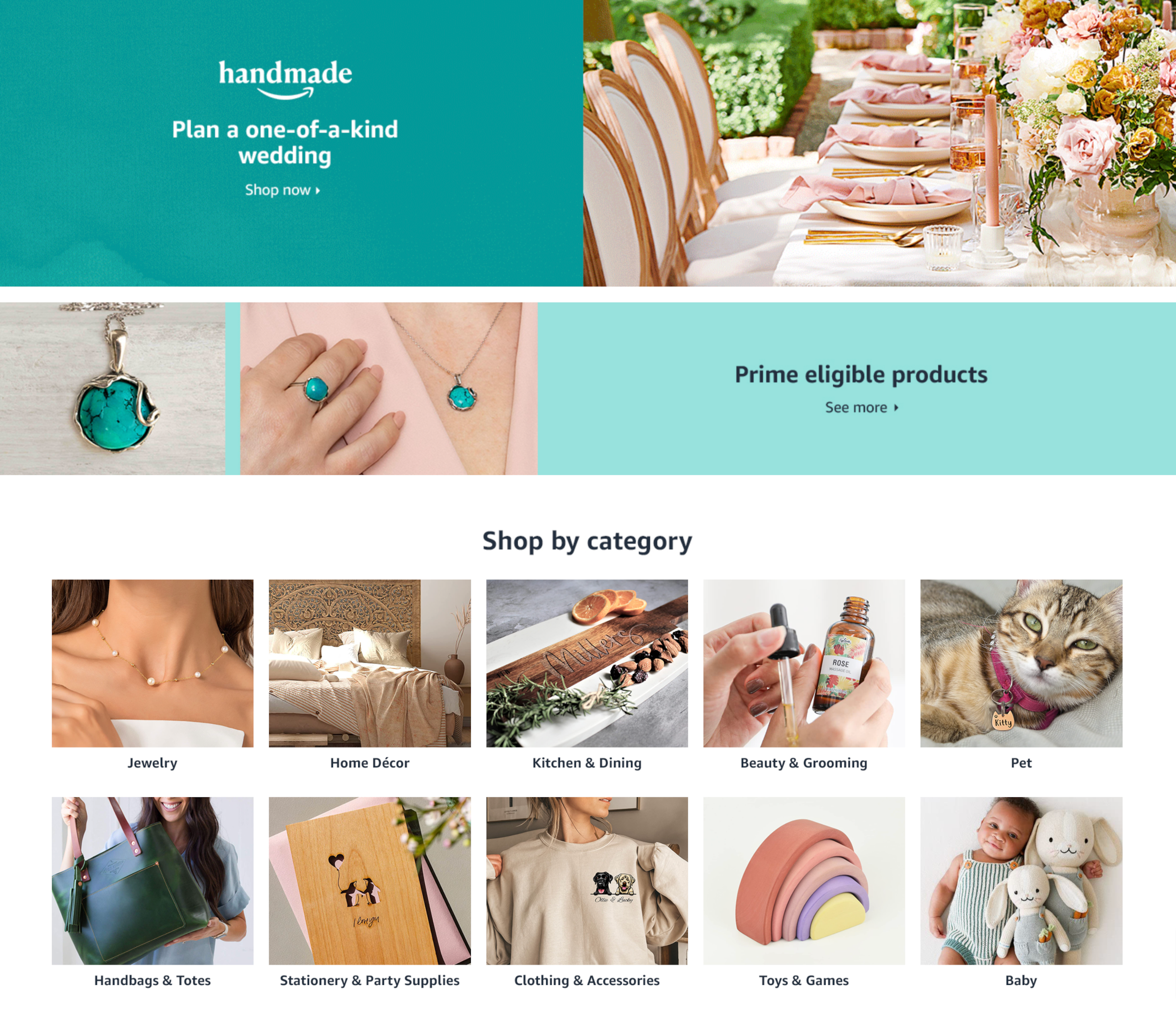
Amazon Handmade is a dedicated marketplace for artisans to sell unique, handcrafted items. It's Amazon's answer to platforms like Etsy, providing a space for genuinely handmade goods.
Amazon Handmade Advantages:
- Targeted Audience:Attracts customers specifically looking for handcrafted items.
- No Listing Fees:Unlike some other platforms, Amazon Handmade doesn't charge listing fees.
- Brand Exclusivity:Provides a distinct space for artisans, separating them from mass-produced items.
Amazon Handmade Considerations:
- Application Process:You must apply and demonstrate that your products are genuinely handmade to be approved.
- 15% Referral Fee:Amazon charges a 15% referral fee on each sale.
- Competition:While specialized, the handmade market still has competition.
Thriving on Handmade:
- Unique Products:Offer truly unique and high-quality handcrafted items.
- Stunning Photography:High-resolution, well-lit photos are essential to showcase your craftsmanship.
- Compelling Story:Share the story behind your craft and products to connect with buyers.
- Customer Service:Provide personalized customer service that reflects the handmade nature of your products.
12. Amazon Business: Selling To Other Businesses (B2B)
For those looking to sell products like office supplies, industrial equipment, or bulk goods, Amazon Business offers a platform to connect with business customers. This can lead to larger, recurring orders.
Amazon Business Advantages:
- High-Volume Orders:Businesses often purchase in bulk, leading to larger average order values.
- Dedicated Tools:Access to features like business pricing, quantity discounts, and enhanced content for B2B buyers.
- Expanded Reach:Tap into a massive network of corporate, educational, and healthcare buyers.
Amazon Business Considerations:
- Professional Seller Account:Requires a Professional selling plan.
- Performance Metrics:Stricter performance requirements for metrics like Order Defect Rate (ODR).
- Tax Compliance:Need to be able to process tax exemptions for business customers.
Winning in Amazon Business:
- Competitive Pricing:Offer competitive business pricing and quantity discounts.
- Enhanced Content:Provide detailed product information, specifications, and certifications that B2B buyers require.
- Reliable Fulfillment:Consistent and timely order fulfillment is crucial for business clients.
5. Important Considerations For Earning On Amazon
Regardless of the method you choose, a few overarching principles will significantly impact your success.
Understanding Amazon's Ecosystem
Amazon operates on complex algorithms and policies. Familiarizing yourself with these is crucial.
- Seller Central:If you're selling products, Seller Central is your primary hub for managing listings, inventory, orders, and performance.
- Amazon's Policies:Adhere strictly to Amazon's terms of service, product guidelines, and selling policies to avoid account suspensions. This includes rules on product authenticity, intellectual property, and communication.
- Customer Reviews:Positive customer reviews are paramount. They build trust, improve search rankings, and drive sales. Focus on delivering excellent products and service to earn them.
- Exceptional Customer Service:Providing prompt, polite, and effective customer service is vital for all selling models. Quick responses to inquiries, efficient handling of returns, and proactive communication can significantly impact your seller metrics and overall business health, even if Amazon handles fulfillment.
Financial Planning And Profitability
Making money isn't just about revenue; it's about profit.
- Fees and Costs:Thoroughly understand all Amazon fees (referral fees, fulfillment fees, storage fees, advertising costs) associated with your chosen method.
- Profit Margins:Calculate your potential profit margin beforecommitting to a product or service. Don't underestimate hidden costs.
- Taxes:Remember to account for taxes on your earnings. This includes understanding potential income tax, and for product sales, considerations like sales tax or Value Added Tax (VAT) depending on your location and where your customers are located. Consulting with a tax professional is highly recommended to understand your specific obligations.
The "Easy Way" Is A Myth: Dedication Is Key
While some methods might have lower barriers to entry, the concept of "easy money" on Amazon is largely a misconception. Sustainable income generation requires:
Research and Learning:Continuously research market trends, learn new strategies, and adapt to Amazon's evolving landscape.
Hard Work:Success rarely happens overnight. Be prepared to invest time and effort, especially in the initial stages.
Problem-Solving:You will encounter challenges, from supply chain issues to customer complaints. Develop resilience and a problem-solving mindset.
Patience:Building a profitable venture takes time. Don't get discouraged by initial setbacks.
6. Scaling Your Amazon Earnings: Key Strategies
Once you've chosen your path, these overarching strategies can help amplify your success:
- Register Your Brand with Amazon Brand Registry:This free program provides powerful tools to protect your intellectual property, control your listings, and access exclusive marketing features like A+ Content, Brand Stores, and Amazon Vine (a program that helps gather trusted product reviews).
- Advertise Strategically:Utilize Amazon's advertising solutions (Sponsored Products, Sponsored Brands, Sponsored Display) to increase product visibility and drive targeted traffic.
- Run Experiments with Manage Your Experiments:This tool allows you to A/B test different versions of product titles, images, bullet points, and A+ Content to identify what resonates most with customers and drives higher conversion rates.
- Optimize Product Listings for SEO:Use relevant keywords in your titles, bullet points, descriptions, and backend search terms to improve discoverability in Amazon's search results.
- Outsource Fulfillment (FBA):Even if you start with other methods, FBA can significantly streamline operations and enable scaling by handling logistics.
- Bundle Products:For registered brands, creating virtual product bundles can increase average order value and help customers discover more of your catalog.
- Expand Internationally:Leverage Amazon's global selling tools to reach customers in different countries and regions.
- Create A+ Content:Enhance your product detail pages with rich media, videos, and compelling visuals. A+ Content has been shown to increase sales and improve customer engagement.
- Embrace Automation:Use tools for pricing, inventory management, and analytics reporting to save time and streamline operations. The Amazon Seller app is an invaluable mobile tool for managing sales, listings, inventory, and customer service on the go.
You Might Also Like: How To Make Money On EBay The Easy Way [Guide For 2025]
FAQs About Making Money On Amazon
Is It Really Easy To Make Money On Amazon?
While some methods have a lower barrier to entry, "easy" is subjective. Making sustainableand significant income on Amazon requires effort, strategic planning, continuous learning, and adaptability. It's more about smart work than easy work.
How To Make Up To $10,000 Per Month On Amazon Without Selling Physical Products?
Reaching $10,000 per month without selling physical products is ambitious but achievable through strategic focus on models like:
Kindle Direct Publishing:Building a portfolio of high-demand e-books or audiobooks. Amazon Associates/Influencer Program:Developing a highly trafficked website or social media presence with compelling content and effective product recommendations.
Merch on Demand:Creating a large catalog of popular designs and actively promoting them. This typically requires significant content creation, audience building, and marketing efforts.
How To Start Earning Money With Amazon?
To start earning money with Amazon:
- Research:Understand the various models (selling products, publishing, affiliate marketing, services).
- Choose a Model:Select the method that best aligns with your resources, skills, and risk tolerance.
- Learn the Ropes:Familiarize yourself with Amazon Seller Central (if selling), KDP dashboard, or Associates portal.
- Implement & Optimize:Begin implementing your chosen strategy, continuously analyzing performance and optimizing your approach.
Can I Sell On Amazon Without Buying?
Yes, you can make money on Amazon without directly buying or holding inventory:
- Dropshipping:You list products, and when sold, your supplier ships them directly.
- Merch on Demand:You design products, and Amazon handles printing and shipping.
- Kindle Direct Publishing:You publish digital books, and Amazon handles distribution.
- Amazon Associates/Influencer Program:You promote products, and Amazon pays commissions on sales generated through your links.
- Amazon Mechanical Turk:You complete micro-tasks for payment.
Can You Get Paid For Amazon Reviews?
Generally, no. Amazon does not pay individuals for writing reviews. However, if you consistently provide high-quality, helpful reviews, you might be invited to join Amazon Vine. Vine Voices receive free products from participating brands in exchange for their honest and unbiased reviews. They are not paid for the reviews themselves.
A Quick Recap
The world of Amazon.com is a dynamic landscape offering a multitude of paths to financial gain. From becoming a full-fledged e-commerce entrepreneur with Fulfillment by Amazon or private labeling, to leveraging your creativity with Kindle Direct Publishing or Merch on Demand, or even earning on the go with Amazon Flex, the opportunities are vast.
The key to success lies not in seeking a mythical "easy button," but in understanding each method's intricacies, aligning them with your personal strengths and resources, and committing to continuous learning and adaptation.
Start by researching deeply, choose a path that excites you, and be prepared to put in the consistent effort needed to cultivate your Amazon earnings. The digital shelves of Amazon are waiting for your unique contribution.
If this guide has sparked your entrepreneurial spirit, consider sharing it with others who might be looking to embark on their own Amazon earning journey!
Jump to
1. How To Make Money On Amazon: Diverse Avenues
2. How To Make Money On Amazon Without Selling Physical Products
3. How To Make Money On Amazon: Service-Based & Task-Oriented Work
4. Specialized Selling: Artisan Crafts And Business-to-Business
5. Important Considerations For Earning On Amazon
6. Scaling Your Amazon Earnings: Key Strategies
FAQs About Making Money On Amazon
A Quick Recap
Latest Articles
Popular Articles