35 Ways To Stop Paying More Than Minimums On Monthly Bills
In today's fast-paced world, financial management is crucial, and finding ways to stop paying more than minimums on monthly bills is a key component of a sound financial strategy.
Apr 08, 20253.2K Shares460.4K Views
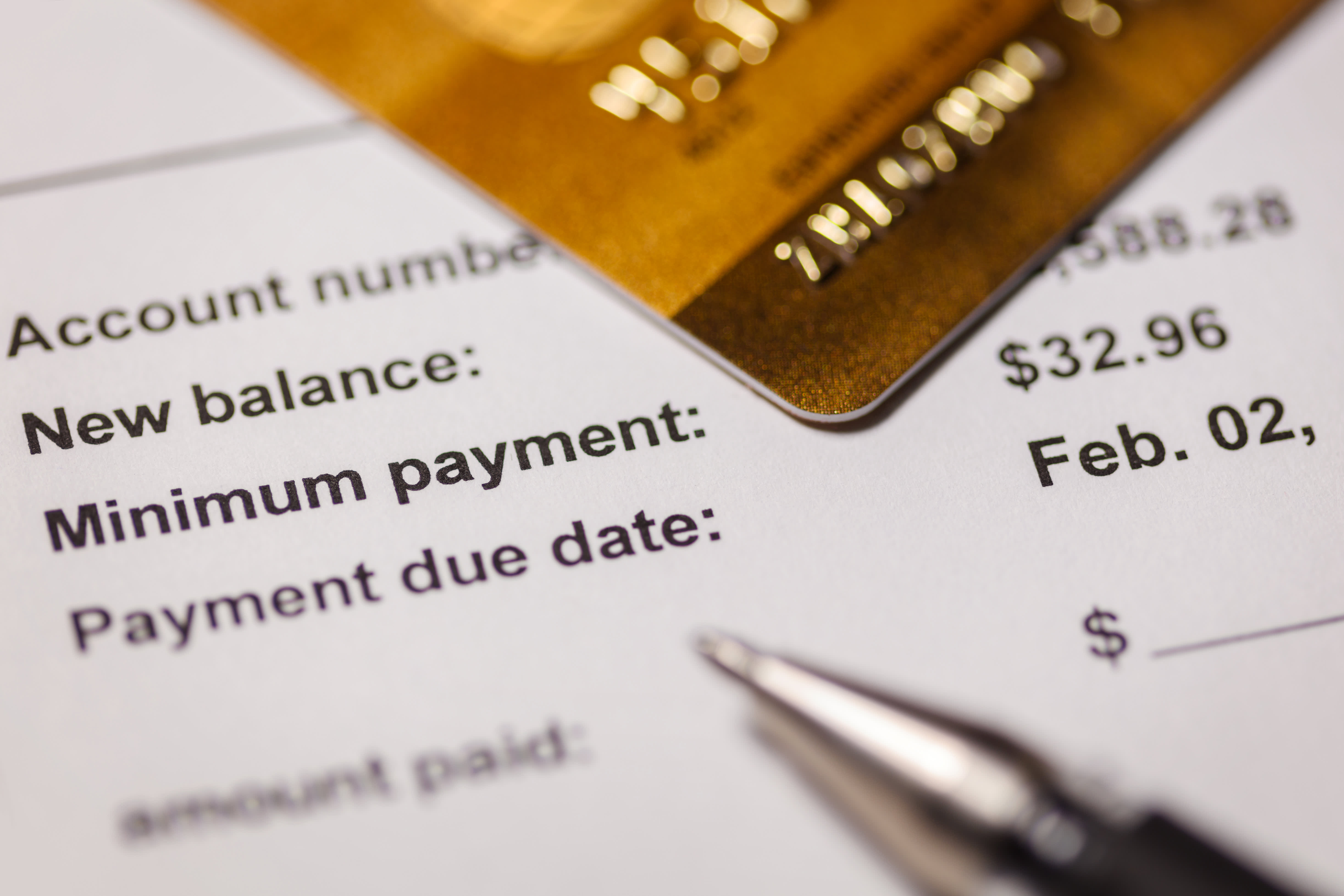
Do you ever feel like you're trapped in a never-ending cycle, making minimum payments on your monthly bills while your debt refuses to shrink? It's a common frustration: the minimum payment trap, a system designed to keep you indebted for years, enriching creditors while you struggle to make progress. It doesn’t have to be this way.
Imagine a future where you're free from the burden of debt, where you can redirect that money towards your dreams: a down payment on a home, a well-deserved vacation, or early retirement. It's more than just a dream – it's a goal within reach. With the right knowledge, a strategic approach, and a bit of determination, you can break free from the minimum payment cycle and take control of your financial destiny.

Understanding The Minimum Payment Trap: The Fine Print
Many people fall into the trap of only paying the minimums. To escape it, it's important to understand what it is and how it works.
How Minimum Payments Are Calculated
Minimum payments are typically a small percentage (1-3%) of your outstanding balance, or a fixed dollar amount (often $25), whichever is greater. This calculation is designed to cover the interest and a tiny sliver of the principal.
This means that in the early stages of repayment, most of your money goes towards interest, leaving you barely denting the actual debt.
The Long-Term Cost Of Paying Only The Minimum
The true cost of minimum payments isn't just the interest you pay each month; it's the years of your life you sacrifice to debt. A $5,000 credit card balance at 17% APR could take over 30 years to pay off if you only make minimum payments, and you'll end up paying more than $7,000 in interest!
This extended repayment period significantly hampers your ability to save for other goals.
Psychological Effects Of Minimum Payments
Minimum payments can create a false sense of security. They lull you into thinking you're managing your debt, while in reality, you're barely treading water. This can lead to complacency and prevent you from taking more proactive steps to get out of debt. The low payment may also encourage more spending, further exacerbating the problem.
The illusion of control, coupled with the slow progress, can be demotivating and lead to financial burnout.
Easy Ways To Stop Paying More Than Minimums On Monthly Bills
Optimize Credit And Loan Payments
1. Refinance Loans
If you have existing loans or mortgages, refinancing could secure a lower interest rate, helping you save on monthly payments. This can be especially beneficial for auto loans or student loans.
2. Consolidate Debt
Consider consolidating high-interest debt into a single loan with a lower interest rate. This simplifies payments and reduces the total amount you pay over time.
3. Pay More Than The Minimum On High-Interest Debts
If possible, make payments above the minimum on credit cards or high-interest loans. Even small increases can significantly reduce your debt over time.
4. Manage Credit Card Costs
- Transfer Balances: Look for credit cards with 0% APR balance transfer promotions. Moving your balance to a card with no interest for a period can help reduce interest payments.
- Negotiate Terms: If carrying a balance, call your credit card issuer to negotiate a lower interest rate, which could decrease your overall payments.
Reduce Subscription And Membership Fees
5. Cancel Unused Memberships
Review all subscriptions-fitness, entertainment, software-and cancel those you no longer use. Many people forget they’re paying for services they don’t need anymore.
6. Review Subscription Plans
Sometimes, the services you’re subscribed to offer tiered pricing. Consider downgrading to a more affordable plan if you don’t need all the features.
7. Share Subscriptions
For services like streaming, consider sharing plans with family or friends to reduce the cost per person. Many platforms, like Netflix and Hulu, allow multiple users on one plan.
8. Opt For Annual Plans
If you use a subscription service regularly, look for discounts on annual payment plans. Paying upfront can often save you money over the course of the year.
Negotiate Your Bills
9. Negotiate Your Rent
If you’ve been renting the same property for a while, try negotiating with your landlord for a lower rate or ask for a discount in exchange for signing a longer lease.
10. Negotiate With Service Providers (e.g., Internet, Phone, Cable)
Don’t be afraid to call your internet, cable, or phone provider to negotiate lower rates. They may offer discounts or promotions to keep your business.
11. Negotiate Your Insurance
Review your home, auto, and life insurance policies to ensure you're not overpaying. Call your insurance provider to ask about discounts or to shop around for better rates.
Take Advantage Of Discounts And Promotions
12. Look For Discounts On Big Purchases
For large items like electronics or appliances, always check for discounts, sales, or special promotions. Wait for major sales events like Black Friday or Cyber Monday.
13. Use Loyalty Programs
Sign up for loyalty programs at the stores where you shop most frequently. Many brands offer points, discounts, or rewards that can reduce your spending over time.
14. Use Coupons
Coupons can save you money on everything from groceries to electronics. Always check before making purchases to see if any deals are available.
15. Take Advantage Of Employee Benefits
Many companies offer employee benefits like transportation subsidies, wellness programs, or discounts on insurance. Make sure you’re taking full advantage of these offers.
Minimize Household Expenses
16. Reduce Energy Consumption
Make your home more energy-efficient by switching to LED bulbs, unplugging electronics when not in use, and adjusting your thermostat. Small changes can lead to significant savings on utilities.
17. Buy Generic Products
For items like medications, cleaning products, and household goods, switching to generic brands can save a considerable amount without compromising quality.
18. Use Less Disposable Items
Switch from disposable products (e.g., paper towels, napkins) to reusable alternatives like cloth napkins or towels. This reduces long-term waste and costs.
19. Shop Secondhand
For many household items, from clothing to furniture, buying secondhand is a great way to save. Check out thrift stores, consignment shops, or online marketplaces for deals.
20. Limit Using Credit Cards
Avoid using credit cards for non-essential purchases. When you limit credit card use, you reduce your risk of accumulating high-interest debt.
Optimize Your Tax And Financial Planning
21. Reevaluate Your Taxes
Ensure you're taking full advantage of all tax deductions, credits, and retirement savings plans. This can reduce your taxable income and help you save money at tax time.
22. Review Your Health Plans
Examine your health insurance to make sure you're not paying for unnecessary coverage. If you’re in good health, consider switching to a more affordable plan.
23. Check For Duplicate Plans
Look for any duplicate services you're paying for. For example, you may have multiple streaming services or insurance policies. Consolidate or cancel the duplicates to save money.
Save On Transportation Costs
24. Use Public Transportation
Instead of driving, consider using public transportation. This can save you money on gas, parking, and car maintenance.
25. Get A Cheaper Car
If you're paying high monthly car payments, consider trading in your car for a more affordable model. This reduces both your car payment and your insurance premiums.
Invest In Long-Term Savings
26. Start A Side Hustle
Generate extra income by starting a side hustle. Whether it’s freelancing, tutoring, or driving for rideshare services, additional income can help you pay off bills faster.
27. Downsize Your Home
If your living space is larger than necessary, consider downsizing to reduce mortgage, rent, and utility costs.
28. Invest In High-Quality, Long-Lasting Items
Instead of purchasing cheap, low-quality items that need frequent replacement, invest in durable products that last longer. This will save you money over time.

Reduce Your Phone Bill
29. Switch To A Cheaper Phone Plan
Consider switching to a more affordable phone plan, especially if you're not using all the features included in your current plan. There are many budget carriers that offer comparable service at lower prices.
30. Use Wi-Fi Calling
If you're on a limited data plan, take advantage of Wi-Fi calling to reduce your mobile data usage and avoid excess charges.
Optimize Your Grocery Spending
31. Plan Meals And Shop Smart
Meal planning and shopping with a list can help reduce impulse purchases at the grocery store, saving you money each month. You can also look for deals or shop in bulk for non-perishable items.
32. Buy In Bulk
Items like grains, pasta, canned goods, and cleaning supplies can often be bought in bulk at a discount. This reduces frequent shopping trips and can lead to savings in the long run.
Cut Back On Eating Out
33. Limit Dining Out
Eating out can quickly add up. Cutting back on dining out or opting for home-cooked meals instead will save you a substantial amount over time.
34. Use Meal Delivery Kits
If you're busy but want to avoid expensive restaurant meals, consider subscribing to a meal kit service. This helps you prepare fresh meals at home, often for less than dining out.
Reduce Travel Expenses
35. Travel During Off-Peak Seasons
Travel costs can be significantly lower if you choose to travel during off-peak times. Flights, hotels, and activities are often much cheaper during these periods.
The Crucial Role Of Budgeting In Monthly Expense Management
The cornerstone of prudent money management is budgeting, which acts as a compass to help people navigate the maze of monthly spending. It's more than just a tool for limitation; it's a potent empowerment mechanism that offers a path to long-term objectives and financial security.
The Importance Of Budgeting
Budgeting provides a clear picture of income and expenses while fostering financial discipline. It enables people to deploy resources sensibly by turning vague financial goals into concrete strategies.
A well-designed budget, when applied to monthly costs, guarantees that necessities are met, debts are paid off, and savings objectives are followed, avoiding the traps of impulsive spending and promoting a sense of financial stability.
Tips For Creating A Practical And Sustainable Budget
- Recognize Your Revenue and Expenses - Start by thoroughly listing every source of revenue and classifying monthly expenses. This serves as the cornerstone of a successful budget.
- Prioritize Essentials - Differentiate between spending on needs and frivolous items. Make housing, utilities, groceries, and loan repayments your top priorities, and devote a large amount of your income to them. Apps like GoodBudgetor PocketGuardcan help you categorize and prioritize your spending.
- Establish sensible objectives - Set attainable financial objectives, such as saving for a significant purchase, paying off debt, or accumulating an emergency fund. A sustainable budget is based on realistic goals.
- Allocation of Emergency Funds- Set aside money from your budget for an emergency fund to avoid using credit and to provide a safety net for unforeseen costs.
- Review and make adjustments on a regular basis- Since life is dynamic, your budget should also be. Review your financial plan often and make any adjustments to account for shifts in your income, spending, or financial objectives.
By adhering to these budgeting guidelines, people may confidently traverse the challenging terrain of monthly costs, securing their financial security and setting the foundation for a wealthy future.

Common Mistakes To Avoid When Dealing With Minimum Payments
Ignoring The Credit Card Statement Balance
Essential details like the total amount you owe, the minimum payment required, and the due date are all included on your credit card statement. Ignoring your statement balance might result in late payments and unforeseen financial hardships. Regularly check your statement to stay on top of your finances and make sure your payments are made on time.
Making The Most Of Your Credit Card
Overdrawing from your credit limit can result in overdraft penalties, higher interest rates, and a worse credit score. Using your credit card to the limit is a risky financial move since it may rapidly result in a build-up of unsecured debt and hardship.
Missing Payments
One of the most frequent credit card errors is making late payments, which may lead to penalty APRs, late penalties, and a bad credit history. Not only may missing payments increase financial strain, but they also make it more challenging to pay off credit card debt.
Not Checking For Fraudulent Activity
The digital era has seen a rise in credit card theft. Ignoring unlawful purchases on your credit card accounts might result in excessive debt and financial losses. Keep an eye out for questionable conduct and report it right away.
Refusing To Seek Expert Assistance
Many people who need help paying off credit card debt are reluctant to see financial advisors, debt reduction companies, or credit counselors for professional assistance. Ignoring expert advice might result in ongoing financial strain and debt growth.
Not Looking Into Debt Relief Alternatives
Many people need to be made aware of the several debt reduction options and services that may be used to manage credit card debt. If you don't look into these possibilities, your financial difficulties may get worse.
Frequently Asked Questions
What Is The Best Way To Avoid The Minimum Monthly Payment Trap?
Pay more than the minimum payment on debts, prioritize high-interest balances, and consider debt consolidation or refinancing to lower interest rates.
How Do I Decrease My Monthly Bills?
Negotiate with service providers, reduce utility consumption, cut unnecessary subscriptions, and shop around for better rates on insurance and other services.
How Can You Reduce The Amount You Pay Each Month?
Refinance loans, downsize housing, switch to cheaper alternatives for products and services, and automate savings to avoid overspending.
Why Is It Essential To Go Beyond Minimum Payments?
Paying more than the minimum is essential to accelerating debt repayment, which will ultimately result in financial savings and avoid the long-term financial hardship brought on by high-interest rates.
What Does It Mean To Prioritize Loans With High-Interest Rates?
By reducing interest payments, expediting debt elimination, and freeing up funds for other financial objectives, prioritizing high-interest loans ultimately results in financial savings.
Conclusion
Financial management must be approached strategically and proactively in order to escape the Minimum Payment Trap. People may take back control of their monthly expenses by adopting ways to stop paying more than minimums on monthly bills and strategies, including budgeting, prioritizing debt, and negotiating lower interest rates.
Necessary steps toward financial empowerment include understanding the effects of high-interest debt, making realistic budgets, and encouraging frugal spending practices.
In the end, one may achieve the financial independence and stability that are so frequently desired but attainable with deliberate and educated financial practices by committing to free themselves from the bonds of minimum payments. This will pave the way for a more secure and prosperous future.
Latest Articles
Popular Articles