6 Key Insights On What Occurs When A Check Bounces (Bank’s View)
Learn 6 key insights on what occurs when a check bounces from a bank’s view. Act now to avoid fees
Jan 24, 2024113.2K Shares1.7M Views
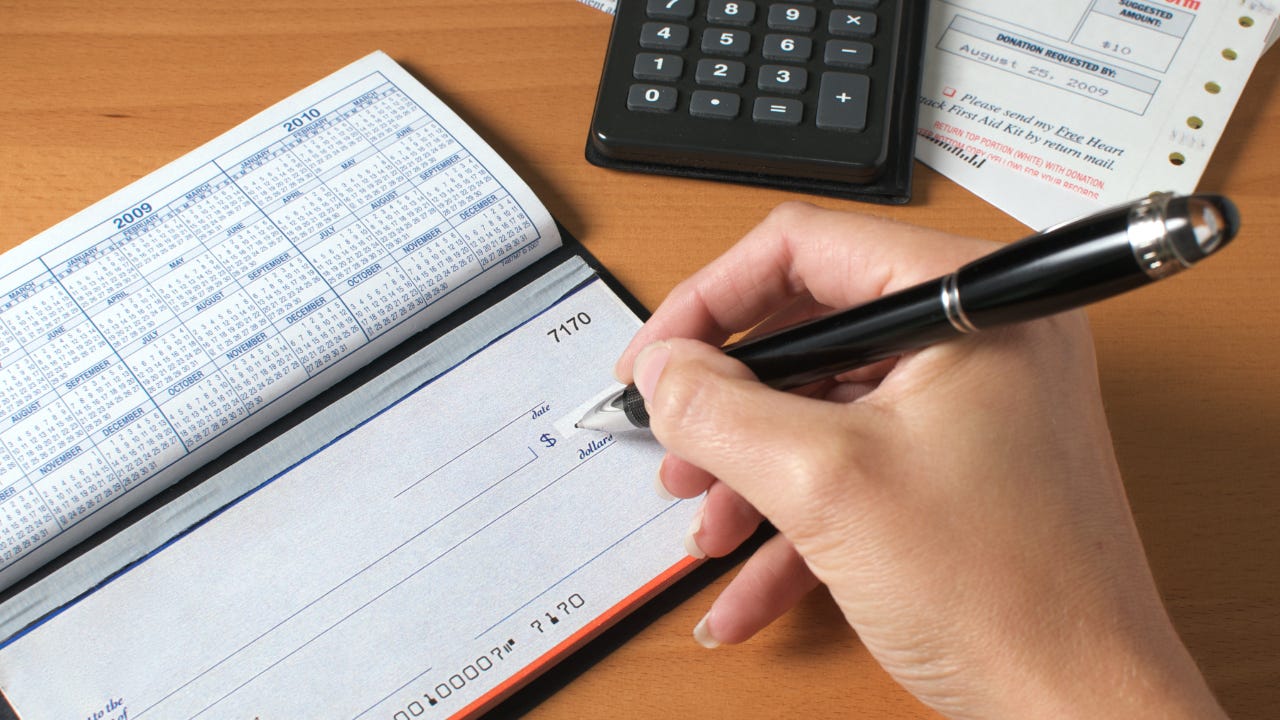
A bounced check can feel like a small mistake, but for banks, it sets off a chain of events that affects both the check writer and the person who tried to cash it. Behind the scenes, banks follow strict steps to handle these situations, protect themselves, and keep the financial system running smoothly.
Understanding what really happens when a check bounces, from the bank’s point of view, can help you avoid trouble, save money, and keep your reputation safe. Let’s take a look at what goes on inside the bank when a check doesn’t clear, why it happens, and what you can do about it.
1. Lack Of Sufficient Funds
The most common reason for a bounced check is not having enough money in the account. The bank’s systems quickly identify this by comparing the check amount to the available balance. This issue often arises when customers forget about pending transactions, like automatic bill payments, that reduce their usable funds. The bank must then decide whether to cover the check or return it, based on the account’s settings.
2. Signature Discrepancies
If the signature on the check doesn’t match the bank’s records, the check is rejected to prevent fraud. This requires a manual review by bank staff, who compare the signature to the one on file. For example, a customer who signs differently due to a name change might cause a bounce, prompting the bank to contact them for clarification. This step protects the account but adds time to the process.
3. Incorrect Or Expired Dates
Checks with future dates (post-dated) or old dates (stale, typically over three months) are declined. The bank verifies the date to ensure it complies with payment rules. A stale check, for instance, might be returned with a note saying “expired,” requiring the payee to get a new check. This verification ensures the bank processes only valid transactions.
4. Closed Or Inactive Accounts
If a check is written on a closed account, the bank rejects it immediately. This often happens when someone forgets they closed an account or tries to use old checks. The bank notifies the depository bank and logs the incident, ensuring no funds are mistakenly paid out.
5. Stop Payment Requests
If the account holder asks the bank to stop a check, perhaps because it was lost or issued in error, the bank returns it unpaid. This requires the bank to flag the check in its system and communicate the stop payment order to the clearinghouse. The process is straightforward but involves additional record-keeping to document the customer’s request.
6. Technical Errors On The Check
Mistakes like a torn check, mismatched amounts (words vs. numbers), or unreadable printing can cause a bounce. For example, if a check says “one hundred” but lists “$1000,” the bank rejects it to avoid errors. These issues require manual review, as automated systems may not process damaged or unclear checks correctly.
How Banks Detect And Respond To Issues
Banks use advanced systems to carefully examine each check before they allow any payment to go through. These systems automatically scan for mistakes, unusual patterns, and any signs that might suggest fraud. At the same time, they check the account balance to confirm there is enough money to cover the check.
If something seems out of the ordinary, like a very large amount or a signature that doesn’t match, bank staff may manually review the check. Fraud detection toolsare also in place to catch changes made to the check, such as edited amounts or altered names.
When a problem is found, the bank blocks the payment and records the reason for the rejection. A return memo is then sent to the payee’s bank, explaining why the check could not be processed.
The Bank’s Step-by-Step Response To A Bounced Check

When a check bounces, the bank follows a detailed process to evaluate the situation and take action. This involves multiple departments, systems, and decisions, all aimed at resolving the issue efficiently.
1. Receiving The Check From Another Bank
The process begins when someone deposits a check at their bank, known as the depository bank. This bank sends the check to the bank of the person who wrote it, called the drawee bank, through a clearing system like the Federal Reserve or a private clearinghouse.
The drawee bank receives the check electronically, often within hours, and starts verifying its details. This step ensures the check is legitimate and tied to an active account, setting the stage for further checks.
2. Verifying Account Details And Funds
Once the check arrives, the drawee bank examines the account it’s drawn from. The bank checks if the account is open, if the signature matches records, and if the date is valid. Most importantly, the bank looks at the available balance, money that’s ready to use, not tied up in pending payments like other checks or debit card purchases.
This verification happens through automated systems that compare the check amount to the account’s funds. The process typically takes one to two business days, as banks coordinate with each other to confirm details.
3. Detecting Insufficient Funds
If the account lacks enough money to cover the check, the bank flags it as an NSF check. At this point, the bank must decide whether to honor or reject the check. If the account holder has overdraft protection, the bank might pay the check, allowing the account to go negative and charging an overdraft fee, which averaged $27.08 in 2024.
Without overdraft protection, the bank returns the check unpaid, charging an NSF fee of around $20 in 2025. This decision depends on the customer’s account settings and the bank’s policies, with some banks opting to waive fees in response to consumer demand for fairer practices.
4. Communicating With The Depository Bank
When a check bounces, the drawee bank sends it back to the depository bank with a reason, such as “insufficient funds” or “closed account.” This communication happens through a system called the Automated Clearing House (ACH), which ensures fast and accurate messaging between banks.
The depository bank may charge the person who deposited the check a returned check fee, typically $5 to $15, to cover its administrative costs. The drawee bank also logs the transaction in its records, maintaining a detailed audit trail for compliance and future reference.
5. Charging Fees To The Account Holder
After rejecting a check, the bank deducts an NSF fee from the account holder’s balance. This fee compensates the bank for the time and resources spent processing the transaction. If the account is already low, the fee can push it into a negative balance, complicating the customer’s financial situation.
The bank sends a notification, through mail, email, or a mobile app, explaining the bounced check and the fee charged. For example, a customer might receive an alert saying, “Your check for $100 was returned unpaid, and a $20 NSF fee was applied.” Repeated incidents may prompt the bank to limit account features, such as check-writing privileges.
6. Updating Internal Records And Systems
Every bounced check is recorded in the bank’s internal systems to track account activity and ensure accurate reporting. This includes updating the customer’s transaction history, noting the fee charged, and flagging the account for monitoring.
These records help the bank identify patterns, such as frequent bounces, which could indicate financial trouble or potential fraud. The data also supports regulatory audits, ensuring the bank complies with federal laws governing payment processing.
Investigating Potential Fraud Or Risk
A bounced check raises red flags for the bank, prompting a closer look to protect its customers and itself.
1. Checking For Fraudulent Activity
If a check has an unusual signature, altered details, or other suspicious features, the bank’s fraud team investigates. For instance, a check with a forged signature might trigger a review of recent account activity, and the bank may contact the account holder to verify the transaction.
This step is crucial to prevent unauthorized payments and maintain trust in the banking system. Fraud investigations require skilled staff and advanced software, adding to the bank’s operational costs.
2. Monitoring Account Patterns
When an account has multiple bounced checks, the bank analyzes the customer’s behavior. Frequent bounces might suggest the account holder is struggling financially or intentionally writing bad checks.
In response, the bank may restrict services, such as blocking further check-writing or requiring manager approval for large transactions. For example, after three bounced checks in a month, a bank might temporarily freeze the account’s check-writing feature to reduce risk.
3. Reporting To Authorities When Necessary
If the bank suspects intentional fraud, such as writing checks with no intention to pay, it may report the account holder to law enforcement. In the U.S., passing bad checks can be a misdemeanor or felony, depending on the amount and state laws. For instance, a $500 bad check in California could lead to fines or jail time if proven deliberate. The bank works with authorities to provide evidence, such as account records, to support legal action, ensuring compliance with banking regulations.
The Legal Ramifications Of Bounced Checks
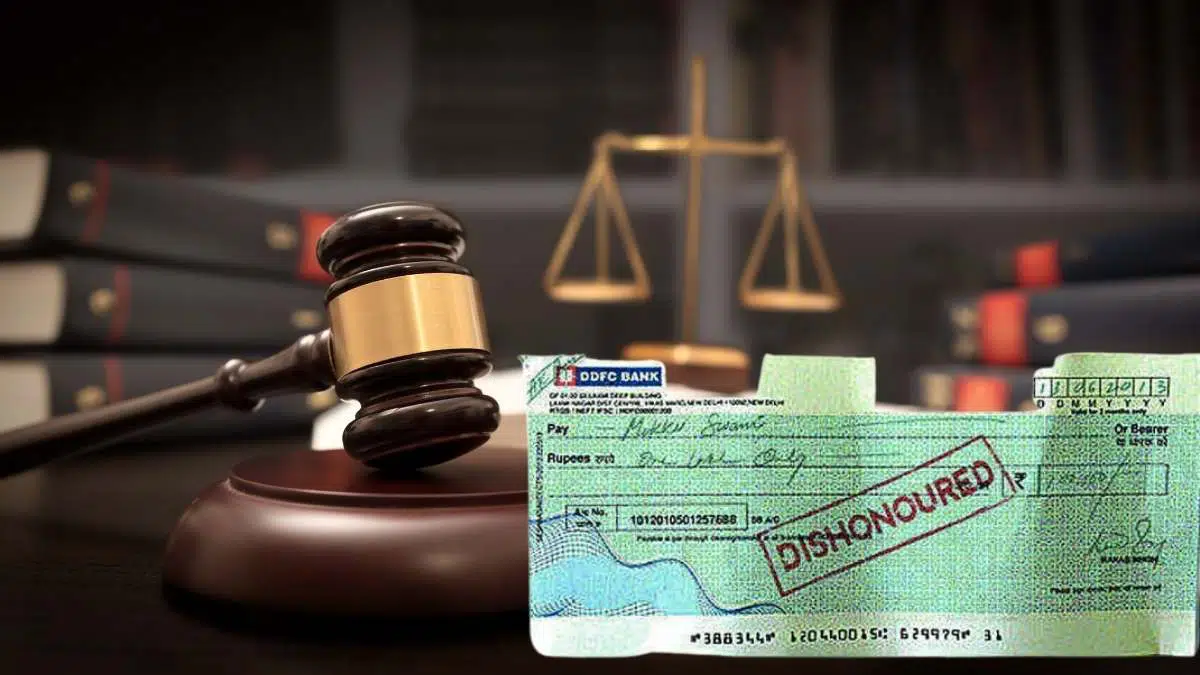
There are legal ramifications associated with bounced checks, particularly when the situation involves fraud or repeated offenses.
1. Fraud And Criminal Charges
Writing a check with the knowledge that there are insufficient funds to cover it can lead to criminal charges. In cases where the check is deemed fraudulent, the person writing the check could face charges of check fraud. These charges carry serious penalties, including fines and potential jail time.
2. Civil Lawsuits
In addition to criminal charges, recipients of bounced checks may pursue civil lawsuits to recover the value of the check plus any additional fees incurred. This legal action can lead to costly court fees, and the account holder may be required to repay the money with interest.
3. ChexSystems Reporting
If a person has a history of bounced checks or unpaid debts related to a check, this information may be reported to ChexSystems, which tracks consumer banking behavior. Being listed in ChexSystems can make it difficult to open new checking accounts in the future and may also lead to higher fees if an account is opened elsewhere.The Legal Ramifications of Bounced Checks
There are legal ramifications associated with bounced checks, particularly when the situation involves fraud or repeated offenses.
4. Fraud And Criminal Charges
Writing a check with the knowledge that there are insufficient funds to cover it can lead to criminal charges. In cases where the check is deemed fraudulent, the person writing the check could face charges of check fraud. These charges carry serious penalties, including fines and potential jail time.
5. Civil Lawsuits
In addition to criminal charges, recipients of bounced checks may pursue civil lawsuits to recover the value of the check plus any additional fees incurred. This legal action can lead to costly court fees, and the account holder may be required to repay the money with interest.
6. ChexSystems Reporting
If a person has a history of bounced checks or unpaid debts related to a check, this information may be reported to ChexSystems, which tracks consumer banking behavior. Being listed in ChexSystems can make it difficult to open new checking accounts in the future and may also lead to higher fees if an account is opened elsewhere.
Consequences For The Payer And Payee
A bounced check has significant effects on both the person who wrote it and the person trying to deposit it, with the bank managing the fallout.
1. Financial Impact On The Payer
The person who wrote the check faces an NSF or overdraft fee, typically $17 to $27 per incident. These fees can add up quickly if multiple checks bounce. If the account goes negative, the customer must deposit money to cover the deficit, or the bank may restrict the account. For example, a $20 NSF fee on a $50 check could leave the account at-$70 if no funds are available.
2. Long-Term Consequences For The Payer
Repeated bounced checks can lead to serious consequences. The bank may close the account or limit services, such as banning check-writing. The bank might also report the customer to ChexSystems, a debit bureau that tracks banking issues. A ChexSystems report can make it hard to open a new account at another bank for up to five years, affecting the customer’s financial options.
3. Legal Risks For The Payer
Writing bad checks on purpose can lead to legal trouble. In many states, knowingly issuing a check with insufficient funds is a crime, ranging from a misdemeanor for small amounts to a felony for larger ones. For instance, a $1,000 bad check in Texas could result in fines or jail time. The bank provides evidence to authorities, such as transaction records, to support legal action.
4. Costs For The Payee
The person or business depositing the check may face a returned check fee from their bank, typically $5 to $15. They also lose access to the expected funds, forcing them to chase the payer for payment. Businesses often add their own fees, up to $40 in some states, to cover the hassle of handling a bad check. For example, a retailer might charge a $25 fee for a bounced check, increasing the payer’s debt.
5. Operational Challenges For The Payee
For businesses, a bounced check disrupts cash flow and requires extra work to recover the money. They may need to contact the payer, issue invoices, or pursue legal action for larger amounts. The bank facilitates communication by providing clear reasons for the bounce, but the payee must take the lead in resolving the issue, adding to their administrative burden.
The Bank’s Costs And Fee Rationale
Processing a bounced check is expensive for the bank, justifying the fees it charges. The bank spends resources on automated systems to verify checks, staff to handle manual reviews, and communication with other banks through the ACH system. Fraud investigations and customer support, such as answering calls about NSF fees, add to the costs.
For example, a single bounced check might require 30 minutes of staff time, system processing, and coordination with the clearinghouse. NSF and overdraft fees help cover these expenses while encouraging customers to manage their accounts carefully. However, some banks, like Ally or Capital One, have reduced or eliminated these fees in 2025 to attract customers and respond to regulatory pressure.
How Banks Work To Prevent Bounced Checks
Banks benefit when fewer checks bounce, as it reduces their workload and improves customer satisfaction. They offer several tools and services to help customers avoid this problem.
1. Offering Overdraft Protection Plans
Overdraft protection links a savings account, credit card, or line of credit to the checking account to cover shortfalls. If a check would bounce, the bank transfers money from the linked account, charging a small fee, often $10, which is cheaper than an NSF fee. This service requires customers to opt in and understand the costs, but it prevents the embarrassment and expense of a bounced check.
2. Providing Real-Time Balance Alerts
Banks send notifications through email, text, or mobile apps when an account’s balance is low. For example, a customer might get a text saying, “Your balance is $50, add funds to avoid fees.” These alerts help customers deposit money before writing checks, reducing the risk of a bounce. Most banks offer this service for free, making it an easy way to stay on top of finances.
3. Developing Online Banking Tools
Modern banking apps let customers check their available balance, view pending transactions, and track spending in real time. For instance, a customer can see that a $100 check is pending and avoid writing another check until more money is deposited. These tools empower customers to make informed decisions and reduce errors that lead to bounced checks.
4. Educating Customers On Check-Writing
Banks provide guides and tutorials, often on their websites or apps, to teach customers how to write checks correctly. This includes tips like double-checking the amount, ensuring the signature matches, and confirming funds are available. By educating customers, banks lower the number of bounced checks caused by simple mistakes, saving time and resources.
Related Reading - How Should The Recipient Handle A Bounced Check?
Ways To Avoid Accepting Bad Checks
Bad checks can be terrible for small business owners who are trying to make ends meet. 80% of business owners say they are stressed because their companies are having trouble with cash flow. Bounced checks can make the problem worse. Stopping bad checks in their tracks will help you keep your cash flow in check.
1. Have A Check Acceptance Policy
A policy on accepting checks tells you and your workers how to accept and deposit checks. This means getting a photo ID from the customer, checking the check for common signs of scams, and getting the customer's contact information when they pay. People who work for your company should know what kinds of checks it will accept and how to handle them.
2. Check Your Customer’s ID
The person writing the check should match the ID. It's a good idea to write the ID number on the check. You shouldn't accept the check if the name on the ID doesn't match the name on the check. These checks might be fake or fake.
3. Watch Your Customer Sign The Check
It is possible to change, fake, or steal checks that have already been signed. Never take checks that haven't been signed in front of you. This will protect your business and your customers. Ask the customer to put their name on the check as well if they can't read the signature.
4. Look At The Check Number, Amount, And Date
A bank account that is less than a year old sends most of the bad checks. Extra care should be taken if the check number is less than 125. Do not take checks that are written by hand or do not have a check number.
The amount written on the check should match the amount written on the check, and the date should match the date the check was sent in for payment. Checks with late or postdated dates should not be cashed.
5. Review For Common Signs Of Check Fraud
There are a few ways to tell if a check is fake. The route number at the bottom of the check and the last few digits of the Federal Reserve number at the top of the check should match. Checks that don't have perforated ends and have shiny printing might not be confirmed.
A fake check might not have a bank name on it, or the logo might be faded, which is a sign that it was copied. Also, fake checks might have only some of the personal information they should have or might have writing mistakes.
6. Keep Your Customer’s Contact Information
When a check bounces, the first thing you should do is get in touch with the customer to fix the problem. If a customer pays with a check, you should get their contact information in case the check doesn't clear. If their current address and phone number still need to be added to the check, ask for them to be added.
7. Verify Your Customer’s Funds With Their Bank
If you need to check if the check is good, call the customer's bank. It takes little time to check that the customer has money in their account. This is very helpful for checks with big numbers. Keep in mind that some banks will only tell you if the account is accurate. Some will give details about the customer's bank account.
8. Don’t Spend Funds From Checks Immediately
When you pay a check, the money will show up right away in your account. However, that only sometimes means that the check writer's account has been credited. If the account that wrote the check doesn't have enough money to cover it, the check will bounce, and the money will be taken back from your account. If you've already spent the money, you might have to pay an overdraft fee or get a nasty cash flow surprise.
9. Accept Local Checks Only
Checks from banks outside of your state are riskier than checks written in your state. This is because it's hard to get in touch with the bank to confirm the check, and you might have to look into whether an out-of-state bank exists. Checks from outside the state may also take up to two weeks to clear, or your bank may decide to hold on to them.
Also Check Out - 13 Ways To Make The Most Of Your Health Insurance Benefits
People Also Ask
What Is Another Term For A Bounced Check?
Bad check, bounced check, bouncing paper forgery, insufficient funds, kited check not enough to cover overdraft, overdrawn account.
What Happens If A Check Bounces At The Bank?
A bounced check can result in various negative financial consequences such as penalty fees, overdraft fees, outstanding debts, and a damaged banking reputation. There are several reasons why a check can bounce, but it's often due to insufficient funds in the payer's bank account.
Who Gets Charged If A Cheque Bounces?
When there are insufficient funds in an account, and a bank decides to bounce a check, it charges the account holder an NSF fee. If the bank accepts the check, but it makes the account negative, the bank charges an overdraft fee. If the account stays negative, the bank may charge an extended overdraft fee.
What Is The Legal Notice For A Bounced Cheque?
The cheque bounce notice must be sent within thirty days of the receipt of information of return of cheque by the bank. The drawer fails to pay the amount of cheque to the payee within fifteen days of receipt of the cheque bounce notice.
Why Would A Bank Cheque Bounce?
Reasons for a bounced bank check include insufficient funds, account closure, or a stop-payment request.
Final Thoughts
A bounced check is a frustrating event that involves multiple parties, including the bank, the account holder, and the recipient. From a bank's perspective, it is a process designed to protect all parties involved from financial risks.
While the consequences of a bounced check are clear, including fees and potential legal actions, understanding the process helps individuals and businesses prevent these situations and manage their finances more effectively.
Jump to
1. Lack Of Sufficient Funds
2. Signature Discrepancies
3. Incorrect Or Expired Dates
4. Closed Or Inactive Accounts
5. Stop Payment Requests
6. Technical Errors On The Check
How Banks Detect And Respond To Issues
The Bank’s Step-by-Step Response To A Bounced Check
Investigating Potential Fraud Or Risk
The Legal Ramifications Of Bounced Checks
Consequences For The Payer And Payee
The Bank’s Costs And Fee Rationale
How Banks Work To Prevent Bounced Checks
Ways To Avoid Accepting Bad Checks
People Also Ask
Final Thoughts
Latest Articles
Popular Articles