How To Handle A Bounced Check - A Guide For Recipients
Find out how to manage a bounced check, including payment solutions, fees, and tips to prevent it from happening again.
Jan 25, 20242.9K Shares138.6K Views
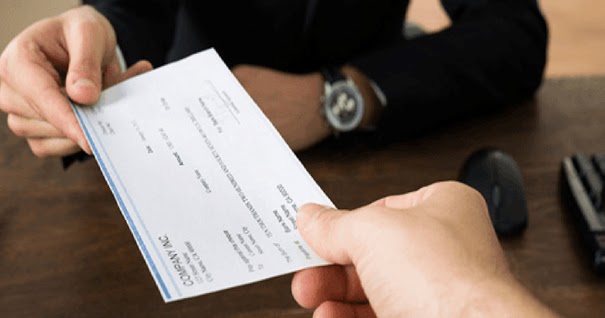
Getting a bounced check can be stressful and confusing. You expected money, but instead, you get a notice from the bank saying the check did not clear. Unlike instant digital payments, checks carry inherent risks since they depend on the payer's account having sufficient funds.
When a check bounces, it means the bank refused to honor the payment, leaving you without the expected funds and potentially facing fees. This situation can happen to anyone, and it’s important to know what to do next so you can get your money and protect yourself from future problems.
This comprehensive guide provides detailed steps to handle this situation effectively. You'll learn how to verify the reason for the bounce, communicate with the check writer, recover your money, and explore legal options if necessary. We'll also cover preventive measures to avoid similar issues in the future and explain your rights as a recipient of a bad check.
What Is A Bounced Check?
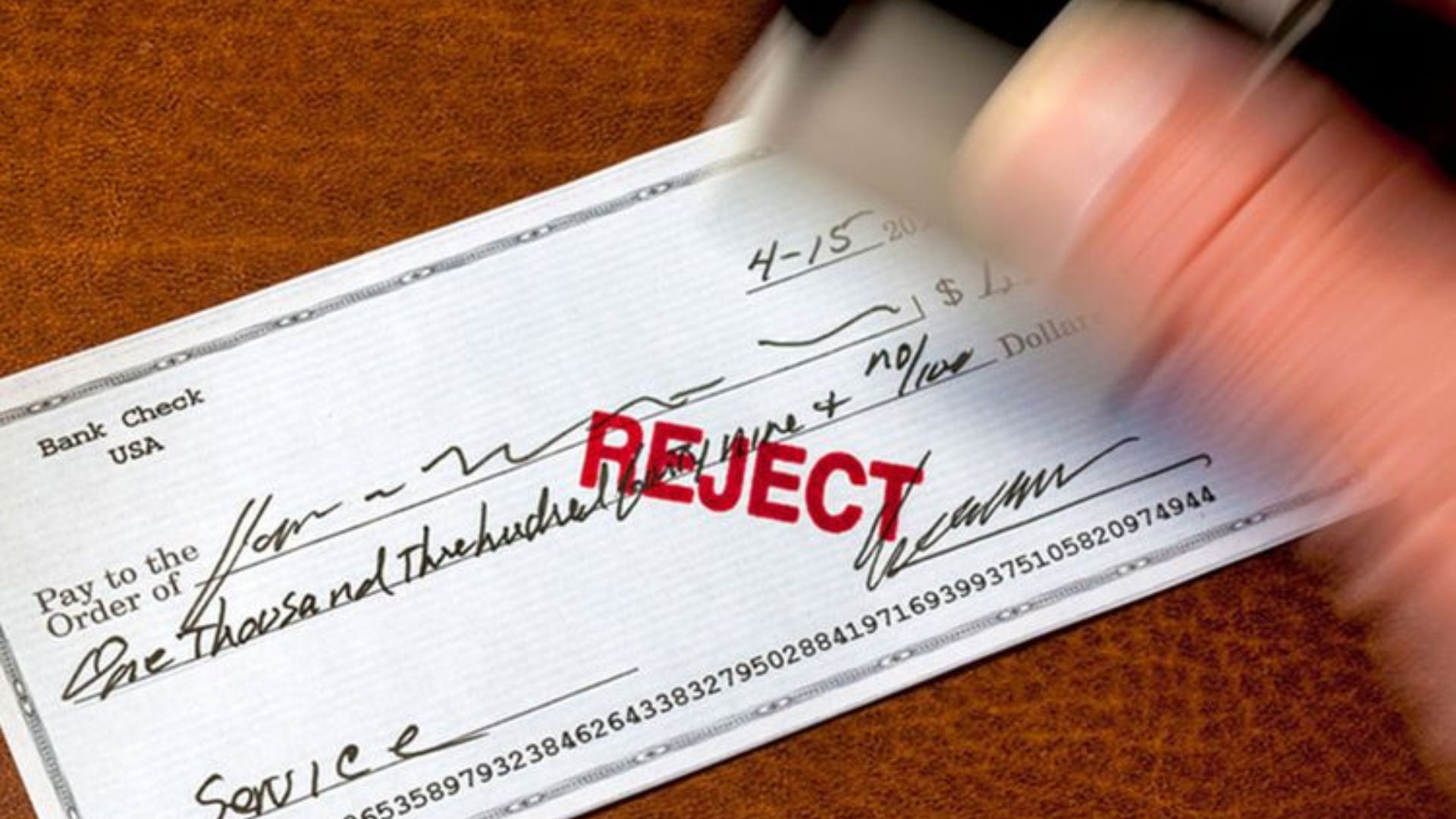
It's called a "bounced check" when a check can't be cashed because the account user doesn't have enough money in the account to cover the amount of the check. There are checks that banks don't respect.
They "bounce" or return them instead of cashing them. The check writers are then charged NSF fees. It may be against the law to pass bad checks. Depending on the amount of the check and whether the action crossed state lines, the crime can be a misdemeanor or a felony.
People who write bad checks often don't mean to because they need to know their bank amounts need to be higher. Some people use overdraft security or add a line of credit to their checking accounts to keep checks from bouncing.
You could be charged overdraft fees, not be able to write more checks, and have your credit score go down if your check bounces. You can only pay sellers by check in the future if you write fewer checks that bounce.
There is a service called TeleCheck that helps a lot of stores figure out if a customer's check is good. The store will only accept your check as payment if the system links it to a past of checks that have been paid. They will ask for another form of payment instead.
What Happens When A Check Bounces?
When a check bounces, it means that the check cannot be honored by the bank on which it is drawn due to insufficient funds in the account or other reasons. In some cases, repeatedly writing bad checks or intentionally writing a check with the knowledge that there are insufficient funds could have legal consequences.
Laws regarding bad checks vary by jurisdiction, and some places have specific penalties for intentional check fraud. It's important to note that bouncing a check can have financial consequences and can create trust issues with the person or business to whom the check was written.
Please make sure that there are enough funds in your account before writing a check or to explore other payment methods to avoid such situations.
Related Reading - what really occurs when a check bounces from a bank's point of view?
Important Steps to Take After Receiving a Bounced Check
1. Respond to the Bounce Notification
When your bank notifies you of a bounced check, time is critical. The notice will explain why the check was returned insufficient funds, a closed account, or an error. Request a copy of the returned check from your bank, as it serves as proof if you need to pursue legal action later. This document includes details like the check number, date, and reason for rejection, making it a key piece of evidence.
Contact your bank to discuss the returned check fee, which averages $25 according to SoFi’s 2024 banking guide. Some banks offer a one-time fee waiver for first incidents, so ask politely about this option. Save all bank notices and record any phone calls to stay organized, as these details will help if the situation escalates to legal steps.
2. Reach Out to the Check Writer
Once you know the check has bounced, it’s a good idea to speak directly with the person who wrote it. Many times, they may not even realize there was a problem. Start by contacting them by phone or email. Explain that the check didn’t clear and ask them if they’re aware of it. Give them a chance to explain and correct the issue.
Sometimes it’s just a mistake. Maybe they made a deposit late or forgot about a payment that cleared before yours. They might be willing to pay you right away using another method, like a bank transfer, cash, or a new check. Keep a record of your communication. Make a note of the date and what was said. If they promise to pay you again, ask for a specific date.
3. Decide If You Should Try Depositing the Check Again
If the person who gave you the check tells you that the problem has been fixed, you can consider trying to deposit the check again. But you should only do this if they confirm that there is now enough money in the account. Most banks allow you to try depositing a check a second time.
However, if it bounces again, you may face additional fees. Also, some banks or state laws may not let you deposit the same check more than once. Before you try again, ask your bank about their policy. If you are unsure, it may be better to ask the check writer for a different payment method instead of trying to redeposit the check.
4. Send a Formal Demand for Payment
If the person ignores your calls or refuses to pay, the next step is to send a formal payment request. This is sometimes called a “demand letter.” In the letter, clearly explain that their check was returned by the bank. Include the check number, the amount, and the date it was written. Request that they pay you the full amount within a certain time frame, such as 10 or 14 days. You can also let them know that you may take further steps if they don’t respond.
You should keep a copy of this letter for your records. It’s also helpful to send the letter by certified mail so that you have proof they received it. Some states require this step before you can file a legal case for a bounced check.
5. Understand Your Legal Rights and Options
If the check writer still doesn’t pay after your formal letter, you may need to consider legal action. This depends on the amount owed and your state’s laws. For smaller amounts, you can go to small claims court. This is a type of court where you don’t need a lawyer. You’ll present your case and show your evidence, including the bad check, the bank notice, and your demand letter.
For larger amounts or repeated bad checks, you might consider going to civil court. You may want to talk to an attorney about your options. In some cases, knowingly writing a bad check is a criminal offense. If the person wrote the check on purpose without enough funds, or if they’ve done it before, it could be considered fraud.
Laws vary from state to state, so check your local rules before starting a case. You may also be able to recover extra costs or damages if allowed by law.
6. Recover Any Extra Fees or Costs
When a check bounces, you might lose more than just the payment amount. You could also face bank fees, late fees, or other expenses. The good news is that in many cases, you can ask the check writer to cover these extra costs. Start by checking your bank statement to see if you were charged a returned check fee. If your agreement with the check writer included penalties for late payment, you can request those too.
Some states allow you to ask for extra damages. For example, you might be allowed to collect two or three times the check amount as a penalty. You can also ask for reimbursement of court costs or legal fees if you take them to court and win.
Make sure you keep proof of all the costs you’ve had to pay because of the bad check. You’ll need this if you want to get reimbursed or file a case.
7. Keep Good Records of Everything
Handling a bounced check can take time and several steps. That’s why it’s important to keep clear and organized records. Keep copies of the check, your bank notice, and any letters or emails you send. Write down notes from phone calls and save screenshots of any text messages or online chats.
Also, keep receipts of any fees or expenses you paid. If you go to court or need legal help, having these records will make your case stronger. It shows that you acted responsibly and gave the check writer many chances to fix the problem.
Why a Check May Be Rejected?
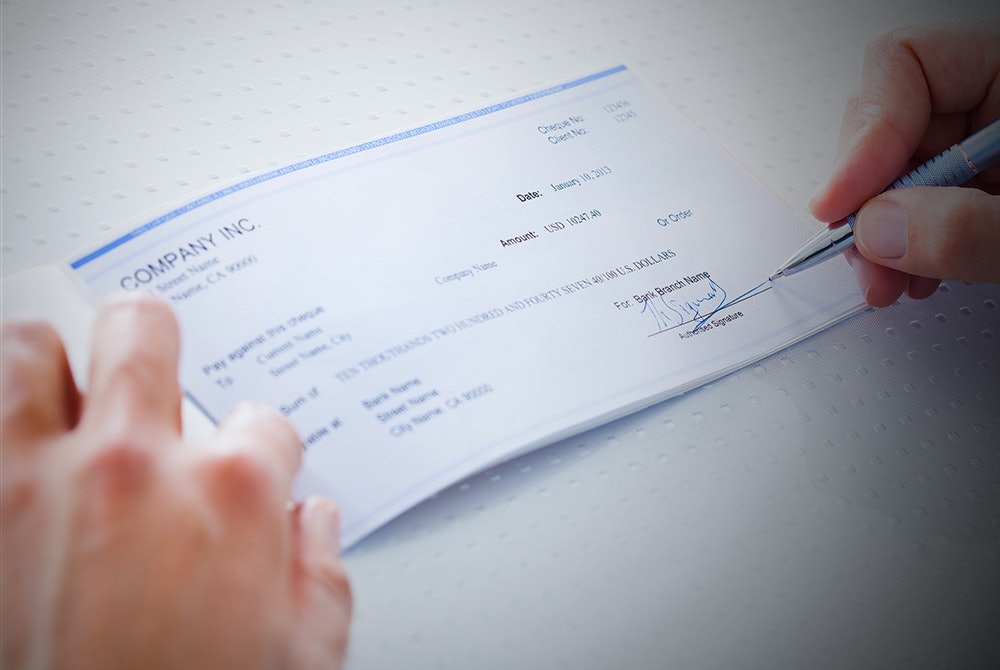
A check can be rejected or "bounce" for many different reasons. When this happens, the person expecting the money may be left confused or frustrated. Whether you’re the one who wrote the check or the one trying to cash or deposit it, understanding the possible causes can help you avoid future problems.
1. The Account Does Not Have Enough Money
One of the most common reasons a check gets rejected is because the account it’s drawn from doesn’t have enough money in it. If someone writes a check for $500 but only has $300 in their account, the bank won’t be able to cover the full amount. Instead of processing the payment, the bank returns the check unpaid. This can lead to extra fees for both the person who wrote the check and the one who tried to deposit it.
2. A Stop Payment Was Placed on the Check
Sometimes, the person who wrote the check decides to cancel it after it has been written. They might do this by contacting their bank and placing a "stop payment" on the check. This tells the bank not to allow the check to go through. There are different reasons why someone might do this, maybe the check was lost, stolen, or given in a situation that later changed, such as a dispute over a service or product. Even if the check is valid, the stop payment order will block it from being cashed.
3. The Check Was Filled Out Incorrectly
A check needs to be filled out carefully. If there are mistakes on it, the bank may reject it. For example, if the amount written in numbers doesn’t match the amount written in words, the bank may consider it unclear. If a signature is missing or if the writing is too messy to read, that could also cause issues. Even something as small as using the wrong date can lead to a bounced check. Banks are strict about these details to prevent fraud or confusion.
4. The Check Is Post-Dated
Post-dating a check means writing a future date on it. For example, someone might write a check today but put next week’s date on it, expecting it to be cashed later. If the person receiving the check tries to cash or deposit it before the date on the check, the bank may not honor it. Not all banks strictly follow post-dated instructions, but many do, especially if the account holder asks them to wait.
5. The Bank Made a Mistake
Although it’s less common, banks can sometimes make mistakes that cause a check to bounce. This could happen due to technical issues, wrong account processing, or simple human error. For example, if the bank accidentally debits the wrong amount or misplaces a transaction, it might look like the account doesn’t have enough funds. If the bank realizes it made a mistake, it usually corrects it, but the delay can still cause problems.
6. The Account Was Closed
If the account that the check is written from is no longer active, the check cannot be cashed. This could happen if the account was closed before the check was used. In this case, the check is essentially worthless, it’s like trying to get money from a wallet that no longer exists. The person receiving the check may need to contact the person who wrote it to arrange a new form of payment.
7. The Check Was Deposited Too Late
Banks have rules about when a check must be deposited. If too much time passes between when the check was written and when it is presented for payment, the bank may reject it. Some banks have policies that allow checks to be valid for only a certain number of days, such as 90 or 180 days. If the check is deposited after that window, it may no longer be honored, even if it once was valid.
8. The Check Is Too Old
Even if a check is valid when it’s written, it can eventually expire. Most checks are considered "stale-dated" after six months. That means if someone tries to deposit or cash a check more than six months after it was issued, the bank may reject it automatically. Some banks are more flexible, but it’s always a good idea to cash or deposit checks within a reasonable time.
9. The Check Appears to Be Fake or Tampered With
Banks are trained to spot signs of fraud. If a check looks suspicious, they will refuse to process it. Signs of fraud might include missing details, suspicious signatures, strange formatting, or changes made with correction fluid or pen marks. If the check has been altered, forged, or appears to be fake, the bank may not only bounce it but also report it for further investigation. This helps protect both the bank and the people involved.
10. The Check Writer Is Not Monitoring Their Account
In some cases, the person writing the check simply doesn’t keep track of their bank balance. If they forget about other payments coming out of their account, they may write a check thinking there’s enough money when in fact, there isn’t. This kind of poor account management leads to bounced checks and potential fees. It’s important for people to regularly check their balances and update their records to avoid these situations.
Continue Reading - 12 Common Reasons For A Bounced Check And How To Avoid Them
Handling A Bounced Check - From The Issuer's Perspective
If a check you wrote bounces, it’s important to act quickly and take the right steps to fix the problem. Here’s what you should do to handle the situation in a responsible and respectful way.
1. Contact the Recipient
The first thing you should do is reach out to the person or business that was supposed to receive the money. Let them know that the check bounced and explain what happened. Be honest about the mistake and apologize for any inconvenience it may have caused.
Open and respectful communication can help reduce tension, clear up misunderstandings, and prevent further issues. It also shows that you are taking responsibility and trying to make things right.
2. Make the Payment
After informing the recipient, arrange to pay the full amount as soon as possible. This will help rebuild trust and show that you are serious about correcting the situation. Try to pay using a more reliable method this time, such as cash, bank transfer, or another form of guaranteed payment.
If the person or business had to pay any extra fees because of the bounced check, consider covering those costs as well.
3. Pay Any Bank Fees
When a check bounces, the bank that issued the check usually charges a fee. In some cases, the bank where the check was deposited may also charge a fee to the person who tried to cash it. Make sure to check with your bank about any charges you need to pay, and take care of them right away.
Ignoring these fees can lead to further penalties or issues with your account. Fees can vary depending on the bank and where you live, so ask your bank for the exact amount and details.
4. Review and Improve Your Banking Habits
A bounced check is often a sign that something needs to change in how you manage your money. Take time to review your recent spending and bank activity. Make sure you’re keeping track of your balance and that you’re not writing checks without knowing how much money is in your account.
You can also set up low-balance alerts or overdraft notifications through your bank’s app or website. These tools can help you avoid future problems by warning you before your account runs out of funds. Being more careful with your finances can prevent stress, fees, and damage to your reputation.
Documents Needed to File a Cheque Bounce Case
To initiate a legal case for a bounced cheque, you must gather the following documents:
- The original cheque that was returned unpaid.
- The bank’s return memo explaining why the cheque was dishonoured.
- A copy of the legal notice issued to the cheque drawer.
- Evidence of the notice’s delivery, such as a postal or courier receipt.
- A bank statement reflecting the transaction involving the bounced cheque.
- Any relevant agreements or contracts tied to the transaction.
- Identification proof of the complainant, if requested.
- For corporate cases, company registration documents, if applicable.
Key Legal Points to Remember
1. Time Limit for Filing
When a check bounces, the law gives you a strict time frame to act. After the bank returns the check unpaid, you must send a legal notice to the person who issued it. They then have 15 days to make the payment. If they do not pay within that time, you must file a legal complaint within the next 30 days. If you wait too long, the court may reject your case, even if you are right.
2. Proving the Case
To succeed in court, you must prove that the check was issued to repay a valid debt or settle a financial obligation. It could be for services you provided, money you loaned, or goods you sold. You also need to show that the check bounced due to something the issuer could control, like not having enough money in their account or giving instructions to stop the payment without a valid reason.
3. Criminal Liability
Bouncing a check is not just a financial issue, it can also be a criminal offense. If found guilty in court, the person who wrote the bad check can be punished with jail time of up to two years. They may also be ordered to pay a fine that can be up to twice the value of the original check. In some cases, the court may impose both jail and a fine.
4. Out-of-Court Settlement
Legal action isn't always necessary. In many cases, the issue can be settled before it reaches the courtroom. If the person who issued the check is willing to pay the amount or work out a repayment plan, both parties can agree to settle privately. This approach can save legal costs and time, and often helps maintain a good relationship between both sides
Consequences Of Bounced Checks
1. Overdraft Fees
A bank may charge the person who wrote the check an overdraft fee if the check bounces because there aren't enough funds in the account. This fee is charged for every lousy check, and it can add up very quickly, putting a lot of stress on the person's finances.
Their bank may also charge the person who received the failed check a returned check fee. This makes the situation even more expensive for everyone.
2. Negative Impact On Credit Score
Checks that are returned can also hurt the credit score of the person who wrote the check. The person who received the check may report it to credit bureausif the person responsible needs to quickly take care of the problem and make good on the payment.
This will show up on the check writer's credit report as a negative item. This could hurt the person's credit score, which would make it harder for them to get loans, credit cards, or other financial goods in the future.
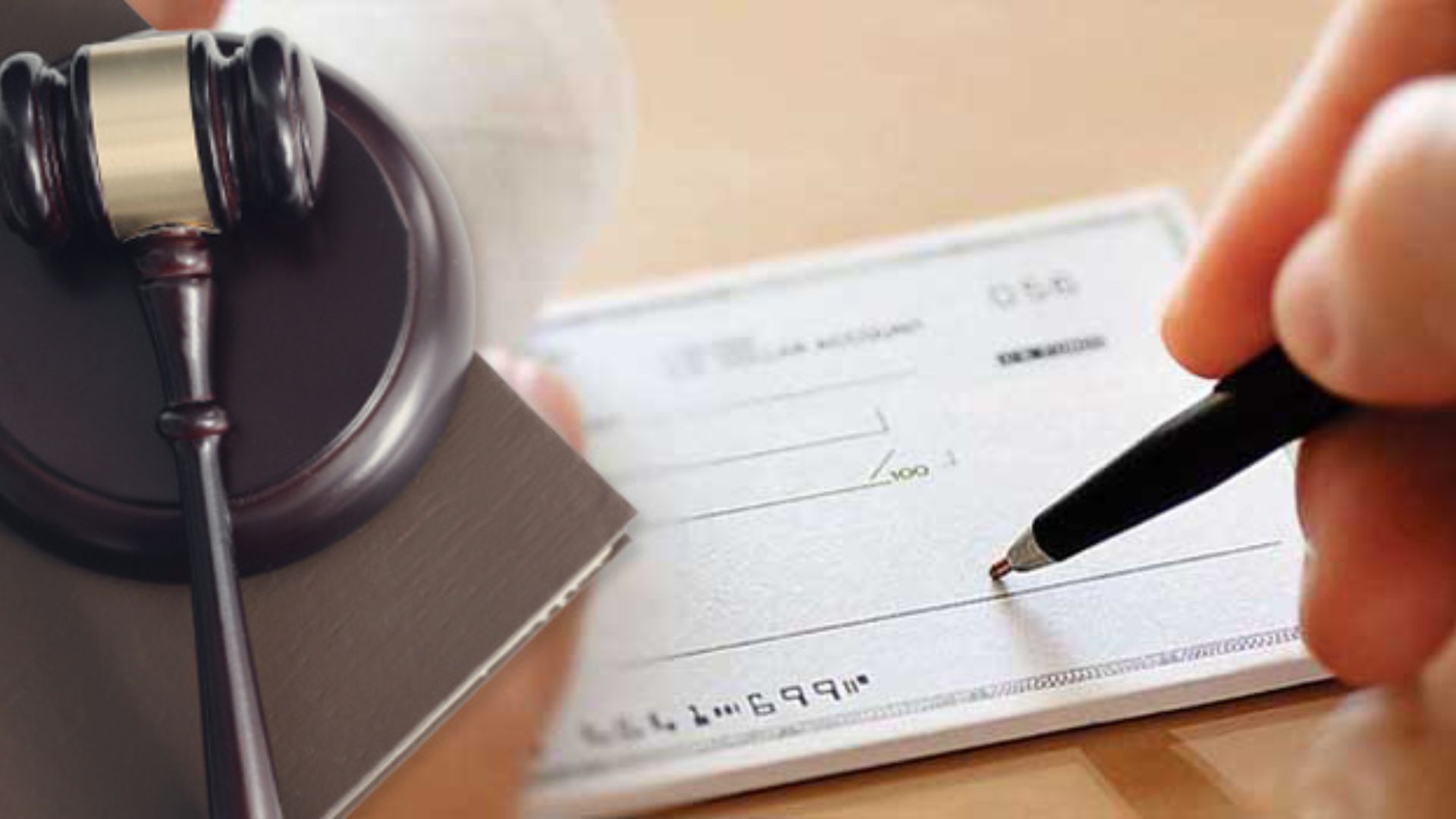
3. Legal Consequences
When a check bounces, the person who wrote the check may face civil consequences. Check fraud may happen if someone writes a check with insufficient funds based on the situation and their intent.
People who are caught writing fake checks could be fined, have to pay court fees, or even go to jail. The person who received the bad check may also go to court to get the money back, which will add to the check writer's legal and financial problems.
4. Bank Penalties And Consequences
There may be times when your bank takes money out of your account without authorization, which is known as "NSF" fee. This could happen even if your balance drops below zero.
While NSF fees are different for each bank, a poll by Bankrate showed that the average is around $33. The bank could also close your account, which could make it harder for you to join another bank or credit union.
5. Negative Banking History
Most of the time, banks don't tell the national credit reporting agencies about checks that are returned. That being said, they may tell notable organizations like Early Warning Services and ChexSystems about checks that don't clear.
These groups are experts at checking facts. If you have a good record with these organizations, it might be easier for you to get a bank account in the future.
6. Potential Credit Hit
Most of the time, banks don't tell credit companies like Equifax, Experian, and TransUnion about checks that need to be clarified don't.
Of course, the buyer could. If the check was for a loan payment, for example, the lender might not expect to be paid, and they might report the missed or late payment to the credit companies. Bad things on your credit report could make your credit scores go down.
7. Account Closure
A check that bounces means that there needs to be more aren't enough funds in the account to cover the amount written on the check. The bank may decide to close the account because of this. This is being done to protect the stability of the banking system and lower the risk of more financial problems.
When a person's check bounces, their account is closed. This can hurt their finances and make it hard for them to open new accounts in the future. The account user may also have to pay fees for the bad check. To avoid these problems and keep a good relationship with your bank, it's essential to handle your money wisely.
How to Protect Yourself from Bounced Checks in the Future
Even if you handle this situation well, you probably don’t want to deal with it again. There are steps you can take to lower the risk of getting a bad check in the future.
One way is to ask people to pay you electronically. Bank transfers, PayPal, Zelle, or other secure methods are faster and safer than checks. If you must accept a check, wait until it fully clears before handing over goods or completing the service.
Be careful with people you don’t know. If someone hesitates to pay in advance or offers a personal check instead of cash or a card, it might be a red flag. If you run a business, you can use check verification tools to screen checks before accepting them.
Don't Miss - 20 Smart Ways To Track Your Financial Health
People Also Ask
Does The Recipient Get Charged For A Bounced Check?
Yes, the recipient may incur fees for a bounced check.
How to handle a cheque bounce case?
If the issuer fails to make the payment within the cheque bounce case time limit of 15 days, the payee can take legal action. They can file a complaint against the cheque bounce before the magistrate. The payee must do this within 30 days after the 15-day cheque bounce case time limit expires.
What is the difference between a dishonoured cheque and a bounced cheque?
In simpler terms, a dishonoured cheque, also called a bounced cheque, is one that gets rejected by the bank due to various financial and non-financial reasons such as lack of funds in the account, incorrect date, signature mismatch, etc. This usually happens for a variety of reasons.
Can a bounced cheque be presented again?
There is no embargo upon the payee to successively present a dishonored cheque during the period of its validity. There is no restriction regarding the number of times a cheque can be presented, and that every subsequent representation and dishonor gives rise to a fresh cause of action for filing a complaint.
Final thoughts
A bounced check can feel like a setback, but with the right approach, you can resolve the issue effectively. Acting quickly, communicating clearly, and knowing your legal rights will help you recover your money and protect your financial well-being.
Remember, most bounced checks are not intentional. Handling the situation with professionalism and empathy can preserve relationships while ensuring you are paid what you deserve. Taking preventive steps will also safeguard you from similar problems in the future.
Jump to
What Is A Bounced Check?
What Happens When A Check Bounces?
Important Steps to Take After Receiving a Bounced Check
Why a Check May Be Rejected?
Handling A Bounced Check - From The Issuer's Perspective
Documents Needed to File a Cheque Bounce Case
Key Legal Points to Remember
Consequences Of Bounced Checks
How to Protect Yourself from Bounced Checks in the Future
People Also Ask
Final thoughts
Latest Articles
Popular Articles